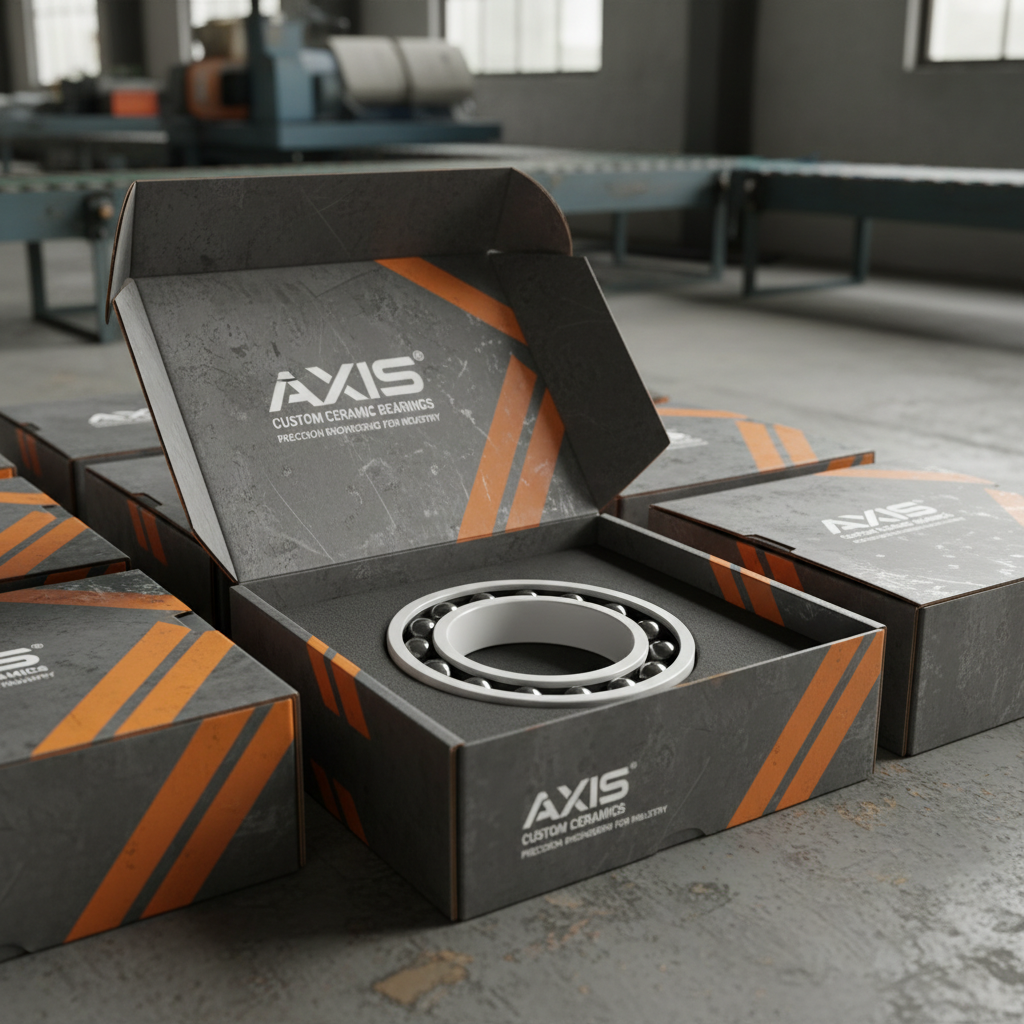
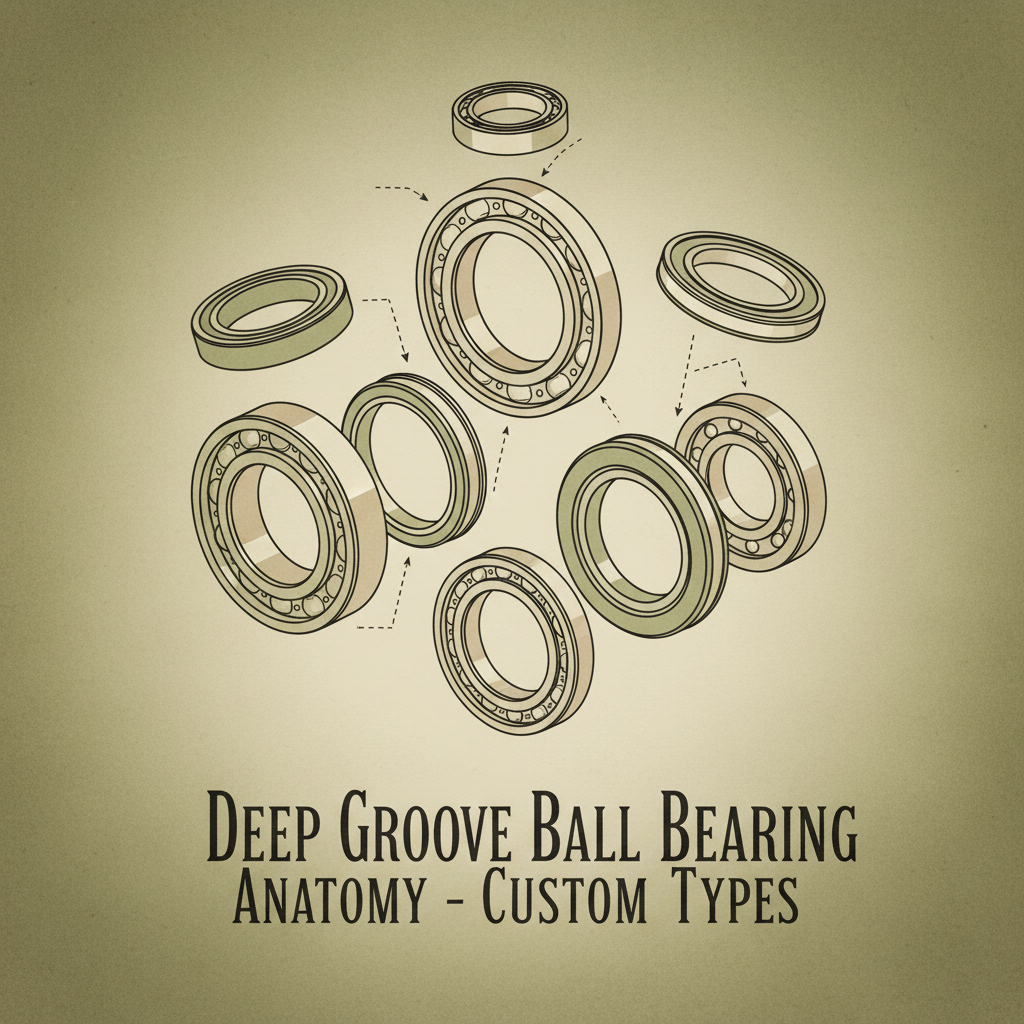
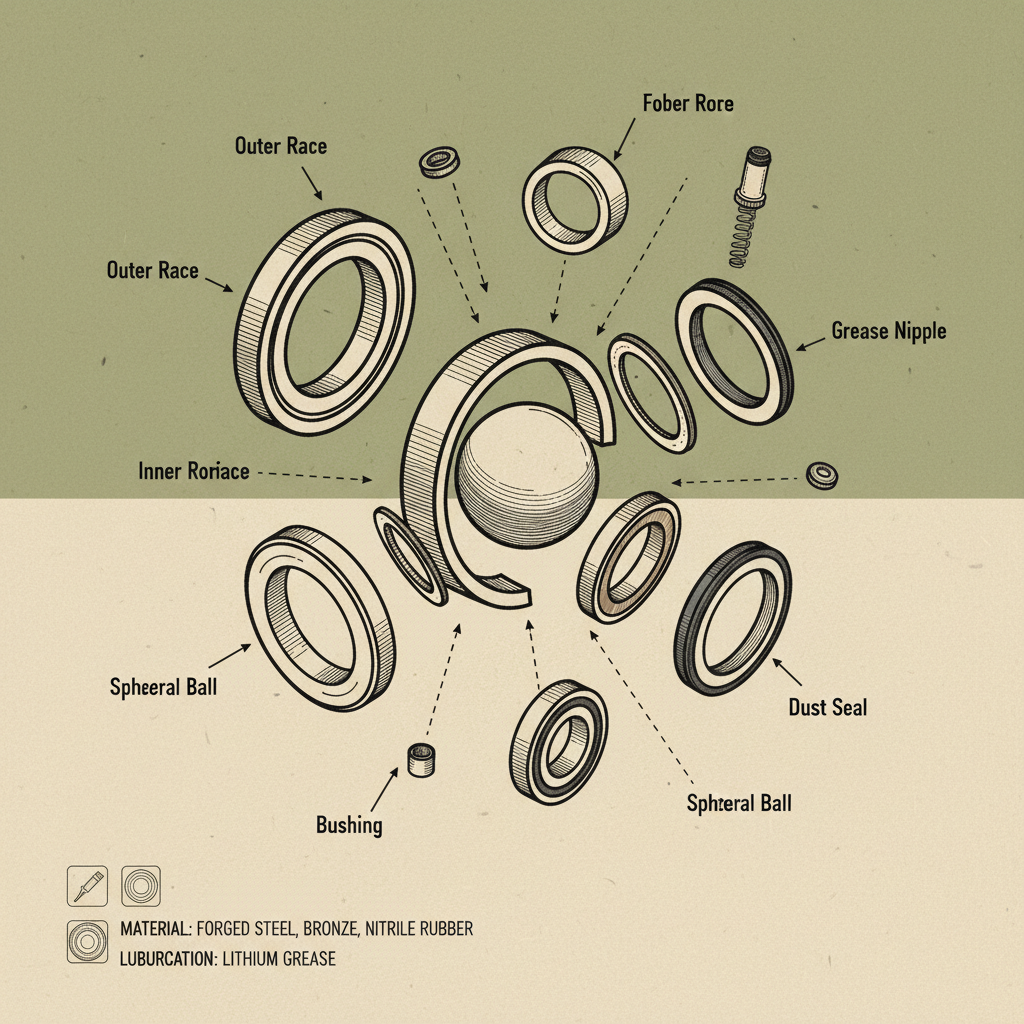
Look, I’ve spent the last fifteen years knee-deep in concrete and dust, watching projects rise from the ground. I’ve seen what works, and trust me, I’ve seen a lot that doesn’t. One thing I’ve come to appreciate above all else is reliability, and that’s where custom fastest ceramic bearings come into play. It’s not about fancy marketing; it's about keeping equipment running, avoiding downtime, and frankly, preventing headaches. These aren't just components; they’re the silent partners that make a project schedule possible.
We’re talking about environments that chew through standard bearings. Constant vibration, dust, temperature swings, and often, overloading. Conventional bearings just can’t consistently cut it, leading to constant maintenance, unexpected failures, and project delays. And delays? Those cost real money. It's a domino effect that impacts everyone on site. This is why we’ve started specifying custom fastest ceramic bearings more and more frequently – the initial investment pays off tenfold in reduced downtime and increased efficiency.
I'm not an engineer, I'm a guy who makes sure things get done. And what I’ve learned is this: the best technology isn’t always the most complex. It’s the stuff that quietly solves problems and lets us focus on building, not fixing. That’s what these bearings do. They're the difference between a smooth operation and a construction nightmare.
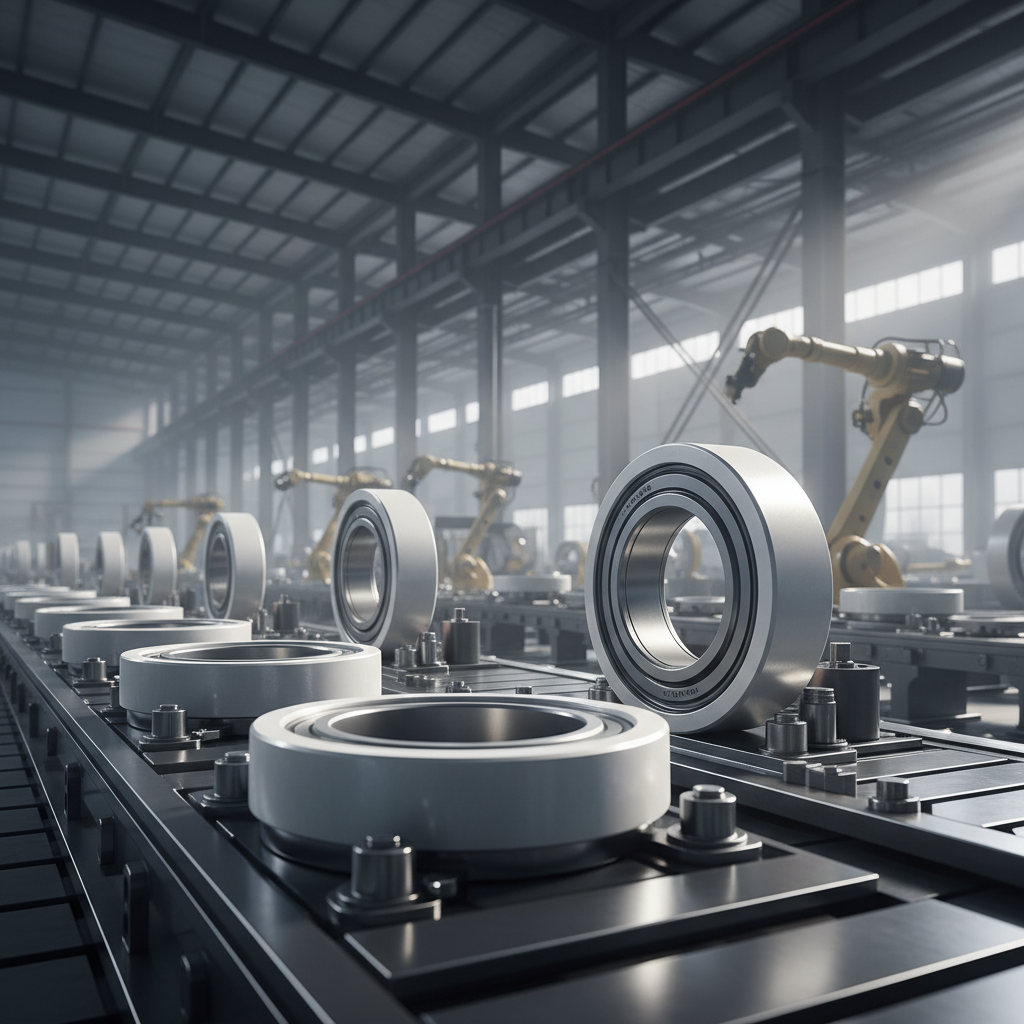
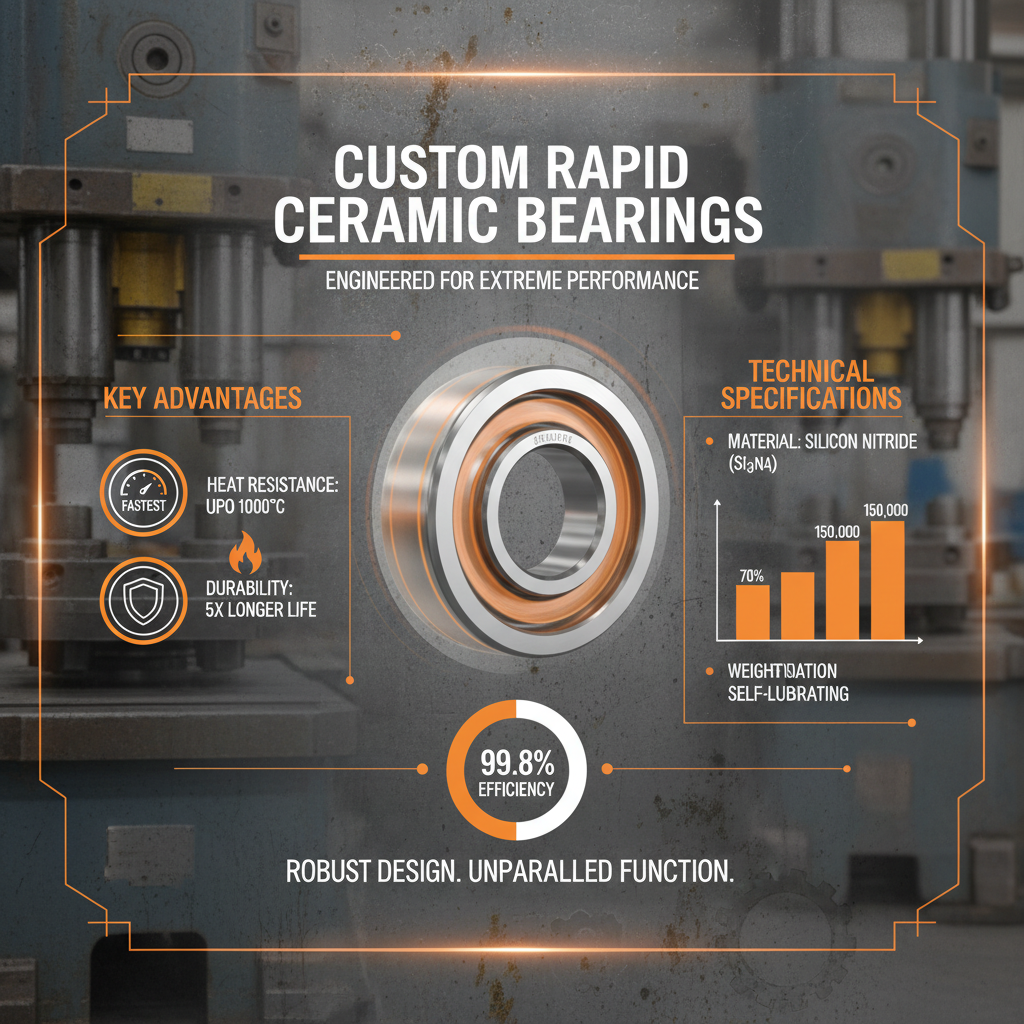
Let's be clear: construction is brutal on equipment. We're talking massive loads, constant stress, and environments that actively try to destroy everything. Custom fastest ceramic bearings aren’t a luxury; they’re a necessity for anyone serious about keeping projects on schedule and within budget. The ability to withstand those conditions consistently is the difference between a successful build and a costly disaster.
I’ve seen too many projects stalled because of bearing failures in critical machinery – concrete pumps, vibratory rollers, even conveyor systems. The downtime adds up quickly, and the cost of replacing bearings and dealing with the delays is astronomical. That’s where investing in higher-quality, custom ceramic bearings makes sense. You pay a little more upfront, but you save a lot more in the long run.
While they’re more expensive upfront, custom fastest ceramic bearings significantly reduce downtime and maintenance. The increased lifespan and reduced friction translate to substantial cost savings over the bearing’s operational life, especially in harsh construction environments. Think of it as a long-term investment in reliability.
Ceramic materials are naturally resistant to corrosion and abrasion. While dust can still be an issue, custom fastest ceramic bearings hold up significantly better than steel bearings in dusty environments. We often pair them with effective sealing solutions to further minimize dust ingress.
Absolutely. Ceramic bearings possess excellent shock resistance, making them ideal for high-impact applications. They can withstand the constant pounding and vibration associated with equipment like vibratory rollers without significant degradation, contributing to extended service life.
While ceramic bearings often have lower friction than steel bearings, they still require lubrication. We recommend using high-quality synthetic greases specifically formulated for ceramic bearings. This ensures optimal performance and longevity. Avoid using lubricants with solid additives, which can be abrasive.
Yes, that’s a key benefit. Custom fastest ceramic bearings can be engineered to handle very specific load capacities, speeds, and environmental conditions. We work with clients to define their exact needs and then design and manufacture bearings accordingly.
If you're experiencing frequent bearing failures, high maintenance costs, or downtime due to bearing-related issues, it’s a strong indication that ceramic bearings could be a worthwhile investment. A detailed analysis of your equipment's operating conditions and load requirements will help determine if they are the right solution.
Ultimately, custom fastest ceramic bearings aren’t just about the bearings themselves. They’re about building more reliable, efficient, and cost-effective projects. They're about minimizing downtime, reducing maintenance, and keeping construction sites running smoothly. They’re a smart investment for anyone who values quality and long-term performance.
Don’t settle for standard bearings when you can have a solution specifically engineered for your needs. Take the time to evaluate the benefits of ceramic bearings for your applications. It might just be the difference between a successful project and a costly headache. For more information and to discuss your specific requirements, visit our website: www.btzbearing.com

 Afrikaans
 Albanian
 Amharic
 Arabic
 Armenian
 Azerbaijani
 Basque
 Belarusian
 Bengali
 Bosnian
 Bulgarian
 Catalan
 Cebuano
 Corsican
 Croatian
 Czech
Czech
 Danish
 Dutch
Dutch
 Esperanto
 Estonian
 Finnish
 French
 Frisian
 Galician
 Georgian
 German
 Greek
Greek
 Gujarati
 Haitian Creole
 Hausa
Hausa
 Hawaiian
 Hebrew
 Hindi
Hindi
 Miao
Miao
 Hungarian
 Icelandic
 Igbo
Igbo
 Indonesian
 Irish
Irish
 Italian
 Japanese
 Javanese
 Kannada
 Kazakh
 Khmer
Khmer
 Rwandese
 Korean
 Kurdish
 Kyrgyz
 Lao
Lao
 Latin
Latin
 Latvian
 Lithuanian
 Luxembourgish
 Macedonian
 Malgashi
 Malay
Malay
 Malayalam
 Maltese
 Maori
Maori
 Marathi
 Mongolian
 Myanmar
 Nepali
 Norwegian
 Norwegian
 Occitan
 Pashto
 Persian
 Polish
 Portuguese
 Punjabi
 Romanian
 Russian
 Samoan
 Scottish Gaelic
 Serbian
 Sesotho
 Shona
Shona
 Sindhi
 Sinhala
 Slovak
 Slovenian
 Somali
 Spanish
 Sundanese
 Swahili
 Swedish
 Tagalog
 Tajik
Tajik
 Tamil
Tamil
 Tatar
Tatar
 Telugu
 Thai
Thai
 Turkish
 Turkmen
 Ukrainian
 Urdu
Urdu
 Uighur
 Uzbek
Uzbek
 Vietnamese
 Welsh
Welsh
 Bantu
Bantu
 Yiddish
 Yoruba
 Zulu
Zulu
 English