To be honest, the whole deep groove ball bearing scene has been buzzing about customization lately. It's not enough to just grab something off the shelf anymore. Everyone wants something… specific. I’ve been spending weeks at factories, and you wouldn’t believe the requests. It’s a good problem to have, I guess, means people are actually building things.
Have you noticed how everyone’s chasing higher precision? It's a rabbit hole, let me tell you. You can polish these things to within an inch of their lives, but if the housing isn't right, it's all for nothing. I encountered this at a robotics factory last time – they were obsessed with micrometer accuracy on the bearings, but the robot arm was flexing like a wet noodle. Spent a whole day just tightening bolts.
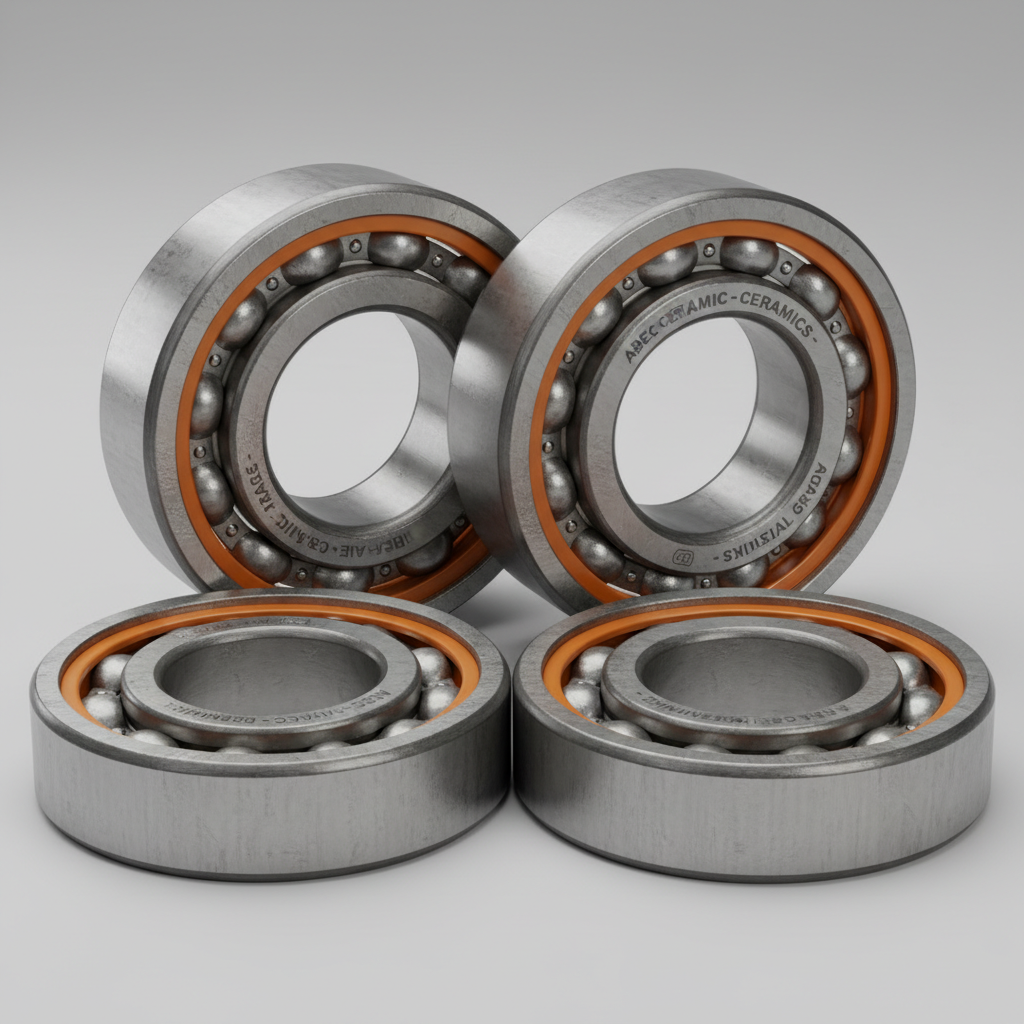
Anyway, I think the core of it all, with these custom deep groove ball bearing types, is understanding the materials. We’re talking 52100 steel mostly, which is good stuff, feels heavy in your hand, has that metallic smell when you machine it. Then you get into ceramic hybrids – silicon nitride – feels… different, almost slippery. And stainless, of course. But it's not just what it is, it's how it's treated. Heat treating, case hardening… it all matters. Later… forget it, I won't mention the debacle with the improperly annealed batch last quarter.
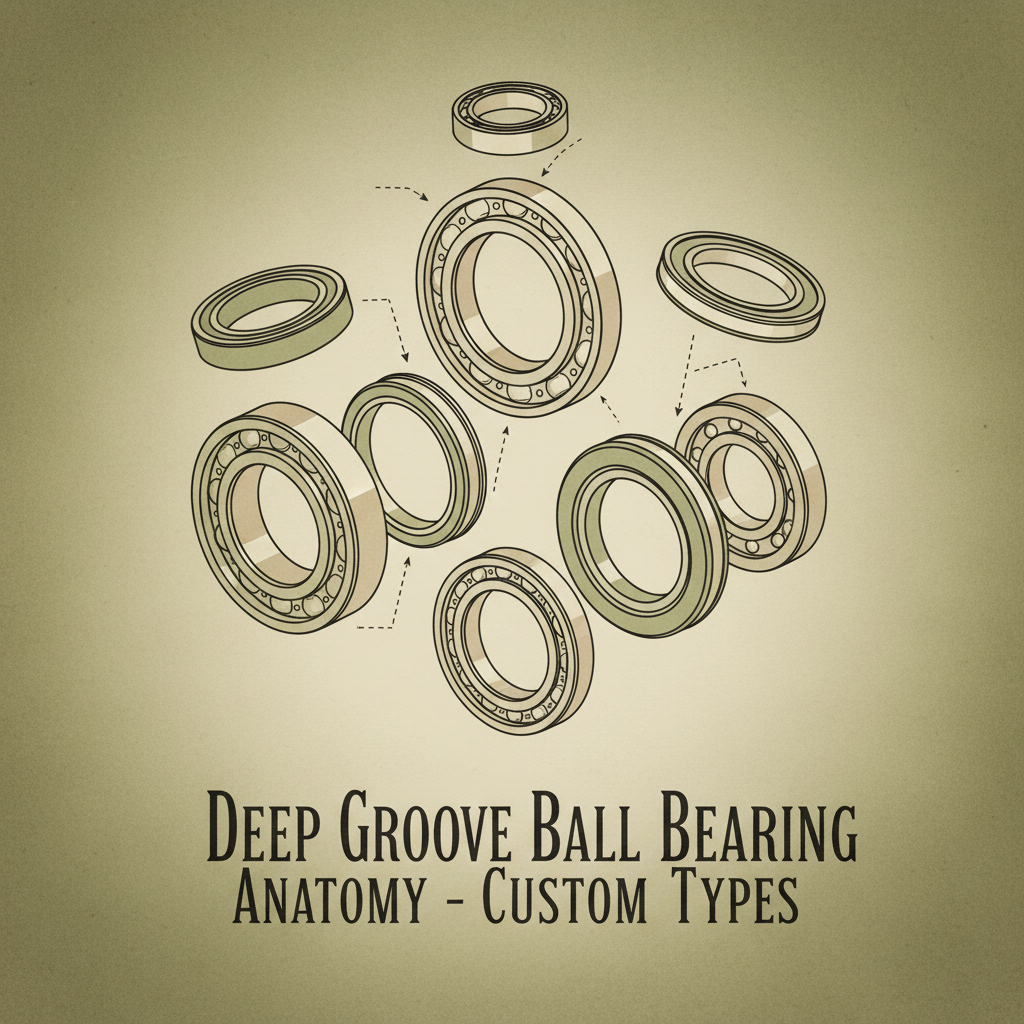
Honestly, the demand for custom deep groove ball bearing types is through the roof. It used to be "give me a 6205," now it's "give me a 6205, but with a ceramic cage, a tighter tolerance, and a special lubricant." It’s all driven by these specialized applications – drones, robotics, medical equipment... Stuff that needs reliability and specific performance characteristics. It’s a good sign for the industry, even if it makes my job harder.
Strangely enough, a lot of it comes down to miniaturization. Everything is getting smaller, so the bearings have to be smaller, more precise, and often, completely custom designed.
That depends on the complexity of the design and the material. Generally, we try to accommodate smaller runs, especially for prototypes, but larger orders significantly reduce the per-unit cost. We’ve done runs as small as 50 pieces, but ideally, you're looking at 500 or more to make it economically viable for both of us. We’re flexible, though - let’s talk through your needs.
Absolutely! That’s part of our job. We’ll ask you about the operating conditions, load requirements, speed, temperature, and any corrosive environments. Then we can recommend the most suitable material – 52100 steel, stainless steel, ceramic, or a hybrid. We’ll walk you through the pros and cons of each option to ensure you get the best performance.
Lead times vary depending on the complexity and volume. A simple customization might take 4-6 weeks, while a more intricate design with specialized materials could take 8-12 weeks or longer. We'll provide a detailed timeline upfront so you know exactly when to expect your bearings. Delays can happen, of course – material shortages, unexpected engineering challenges – but we’ll keep you informed every step of the way.
We prefer 2D drawings in PDF or DWG format, and 3D models in STEP or IGES. The more detailed the information, the better. We also appreciate any specifications regarding tolerances, surface finish, and lubrication requirements. Don't worry if your drawing isn't perfect; our engineers can help refine it.
Yes, we offer a range of testing services, including load testing, speed testing, vibration testing, and corrosion testing. We can also perform dimensional inspections to ensure the bearings meet your specifications. We often collaborate with third-party labs for more specialized testing requirements.
We stand behind our products. We offer a standard warranty against defects in materials and workmanship. The warranty period varies depending on the application and the operating conditions. We’ll work with you to resolve any issues that may arise. However, the warranty doesn’t cover damage caused by improper installation or misuse.
Ultimately, all the precision, all the materials, all the customization... it’s all about getting a bearing that works. A bearing that can handle the load, withstand the environment, and keep your machine running smoothly. It's about solving a real-world problem.
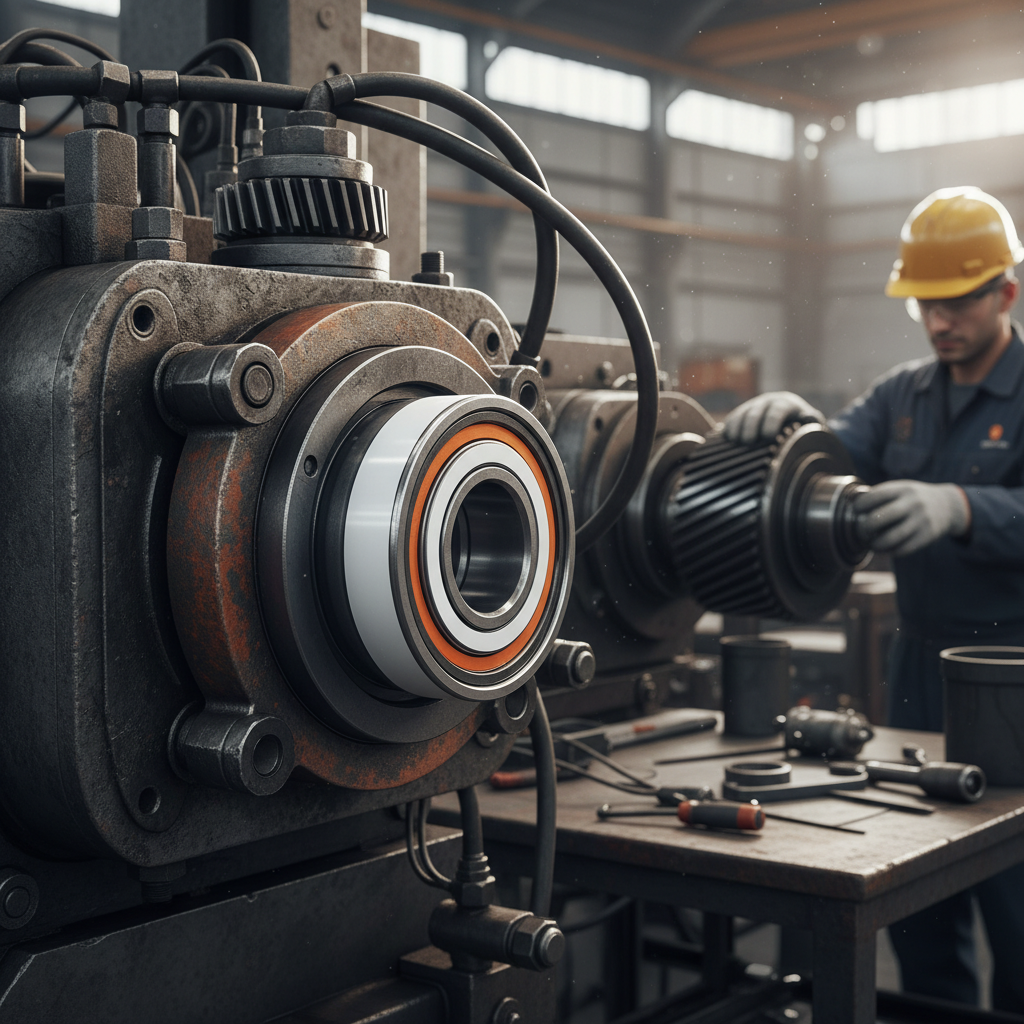
And you know what? Whether this thing works or not, the worker will know the moment he tightens the screw. That's the bottom line. Visit our website at https://www.btzbearing.com to discuss your specific needs and let us help you find the perfect custom deep groove ball bearing types for your application.

 Afrikaans
 Albanian
 Amharic
 Arabic
 Armenian
 Azerbaijani
 Basque
 Belarusian
 Bengali
 Bosnian
 Bulgarian
 Catalan
 Cebuano
 Corsican
 Croatian
 Czech
Czech
 Danish
 Dutch
Dutch
 Esperanto
 Estonian
 Finnish
 French
 Frisian
 Galician
 Georgian
 German
 Greek
Greek
 Gujarati
 Haitian Creole
 Hausa
Hausa
 Hawaiian
 Hebrew
 Hindi
Hindi
 Miao
Miao
 Hungarian
 Icelandic
 Igbo
Igbo
 Indonesian
 Irish
Irish
 Italian
 Japanese
 Javanese
 Kannada
 Kazakh
 Khmer
Khmer
 Rwandese
 Korean
 Kurdish
 Kyrgyz
 Lao
Lao
 Latin
Latin
 Latvian
 Lithuanian
 Luxembourgish
 Macedonian
 Malgashi
 Malay
Malay
 Malayalam
 Maltese
 Maori
Maori
 Marathi
 Mongolian
 Myanmar
 Nepali
 Norwegian
 Norwegian
 Occitan
 Pashto
 Persian
 Polish
 Portuguese
 Punjabi
 Romanian
 Russian
 Samoan
 Scottish Gaelic
 Serbian
 Sesotho
 Shona
Shona
 Sindhi
 Sinhala
 Slovak
 Slovenian
 Somali
 Spanish
 Sundanese
 Swahili
 Swedish
 Tagalog
 Tajik
Tajik
 Tamil
Tamil
 Tatar
Tatar
 Telugu
 Thai
Thai
 Turkish
 Turkmen
 Ukrainian
 Urdu
Urdu
 Uighur
 Uzbek
Uzbek
 Vietnamese
 Welsh
Welsh
 Bantu
Bantu
 Yiddish
 Yoruba
 Zulu
Zulu
 English


