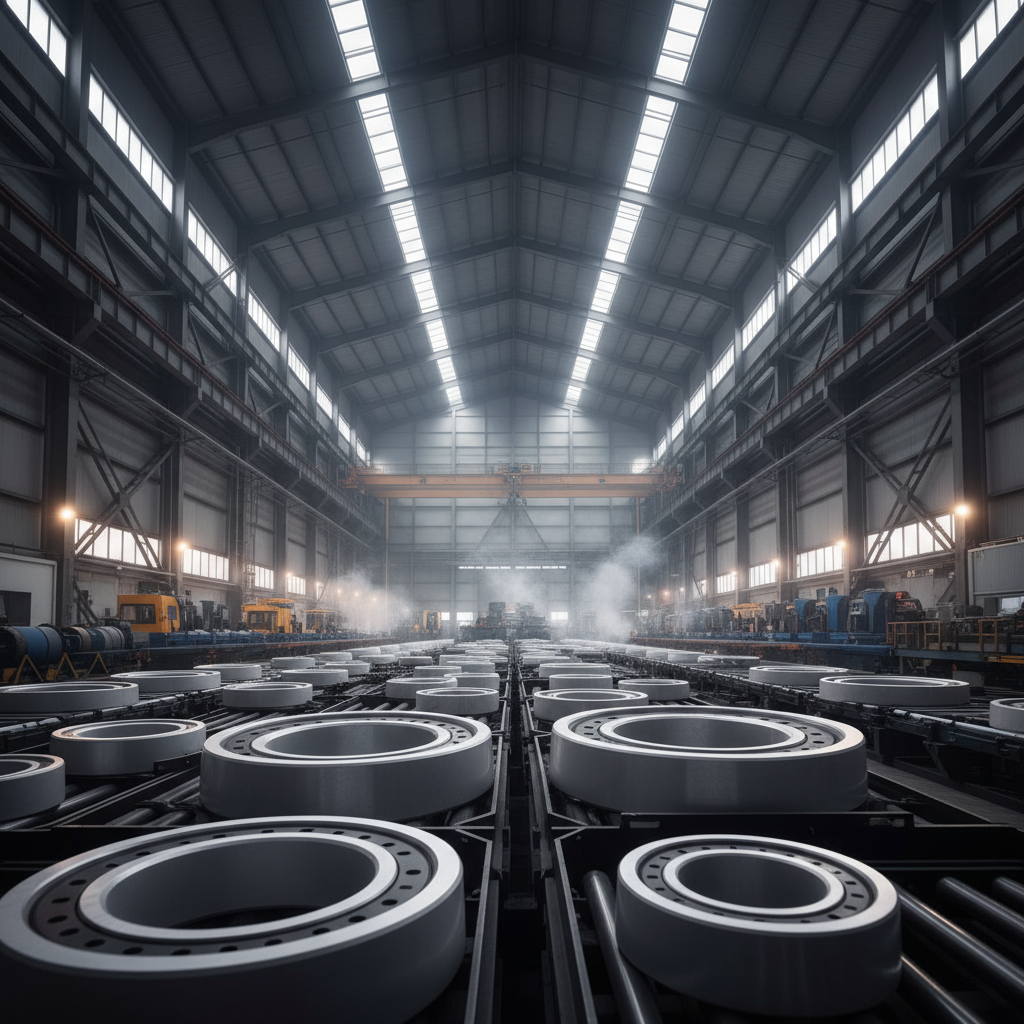
Look, I’ve spent the last fifteen years crawling around construction sites, getting my hands dirty, and talking to the folks who actually build things. And let me tell you, when it comes to critical components, you need reliability. That's where a well-executed custom spherical roller bearing design comes in. It’s not just about specs on a sheet; it’s about keeping projects on schedule, minimizing downtime, and ensuring safety. We’re talking about bearings in everything from heavy machinery to conveyor systems – if they fail, the whole operation grinds to a halt, and that costs real money. Understanding how these bearings are designed, and more importantly, customized for a specific application, is crucial for anyone involved in large-scale construction or industrial projects.
I’ve seen too many projects delayed because of off-the-shelf bearings that just couldn’t handle the load or the environment. Salt spray, extreme temperatures, constant vibration – these things take a toll. That’s where the real value of custom spherical roller bearing design becomes clear. It's about matching the bearing’s materials, geometry, and internal lubrication to the specific stresses it'll encounter. It's about knowing your application, and working with a manufacturer that understands your application.
Frankly, it’s a bit of an art. You’re balancing performance, cost, and longevity. A poorly designed bearing might save you a few bucks upfront, but it’ll cost you ten times that in repairs, downtime, and potential safety hazards down the line. A robust, custom solution is an investment in the long-term success of any project.
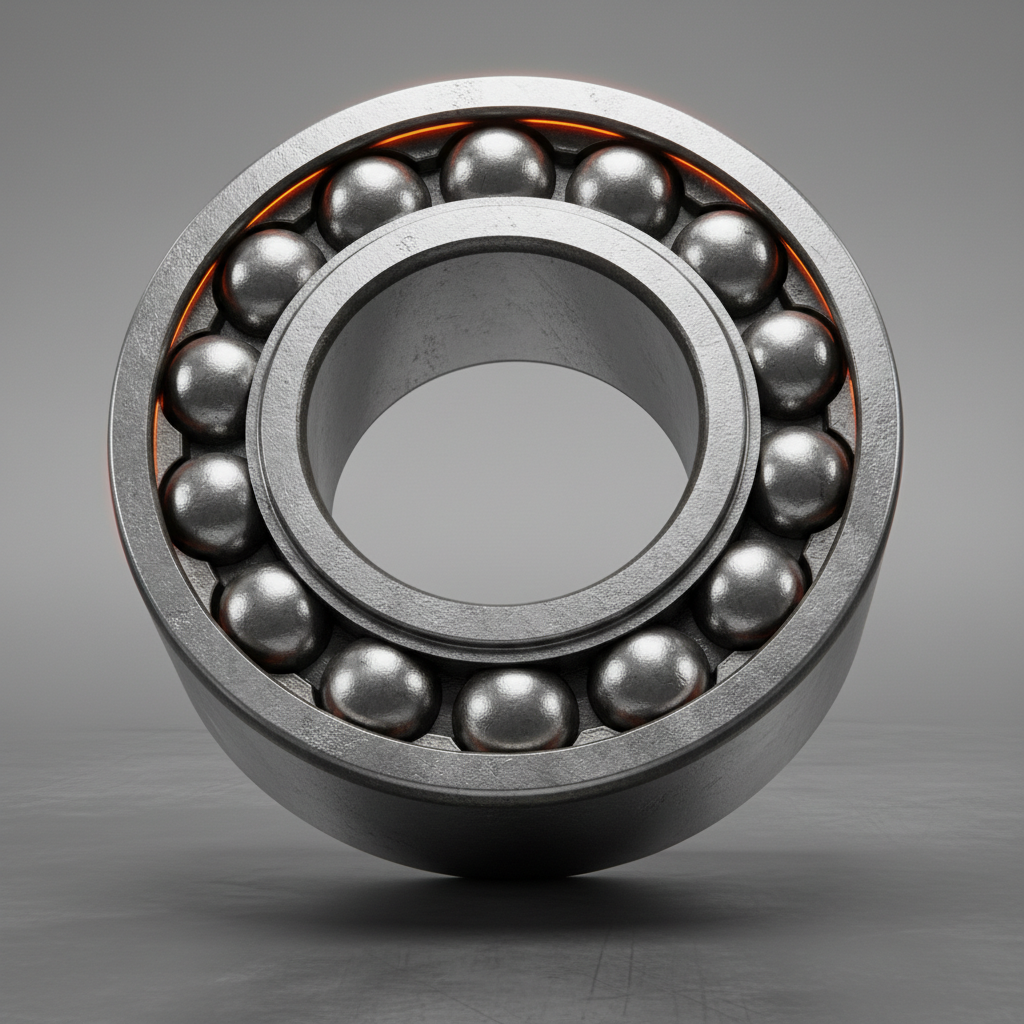
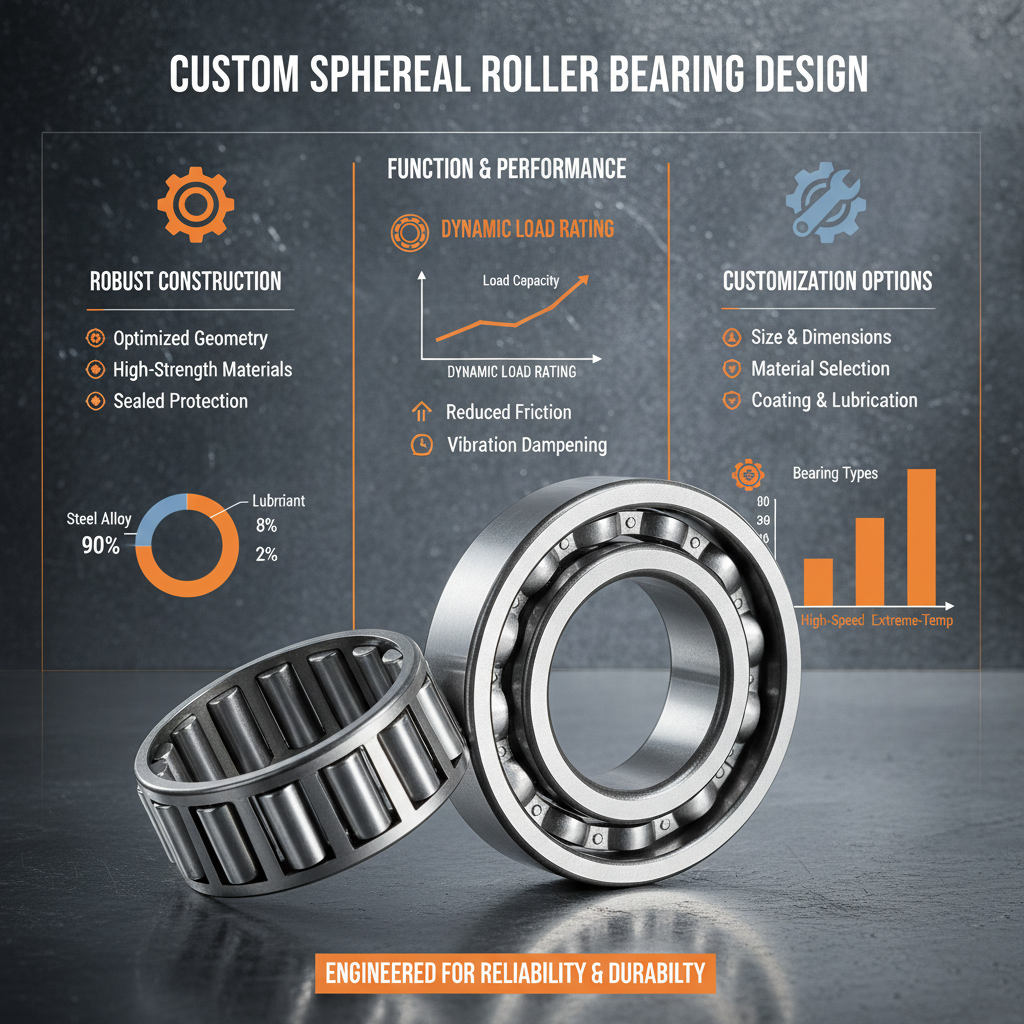
Let's be clear: the world runs on rotating equipment. From mining operations to wind turbines, and even the cranes lifting materials on a construction site, spherical roller bearings are essential. But 'essential' doesn't mean one-size-fits-all. The demand for custom spherical roller bearing design is growing because standardized bearings often fall short when facing extreme conditions or unique load requirements.
This isn’t just about improving efficiency; it’s about ensuring reliability and preventing catastrophic failures. The ISO standards for bearing quality are rigorous, but they don't account for the specific nuances of every application. That’s where custom design fills the gap – tailoring the bearing to withstand the exact forces and environmental factors it will face.
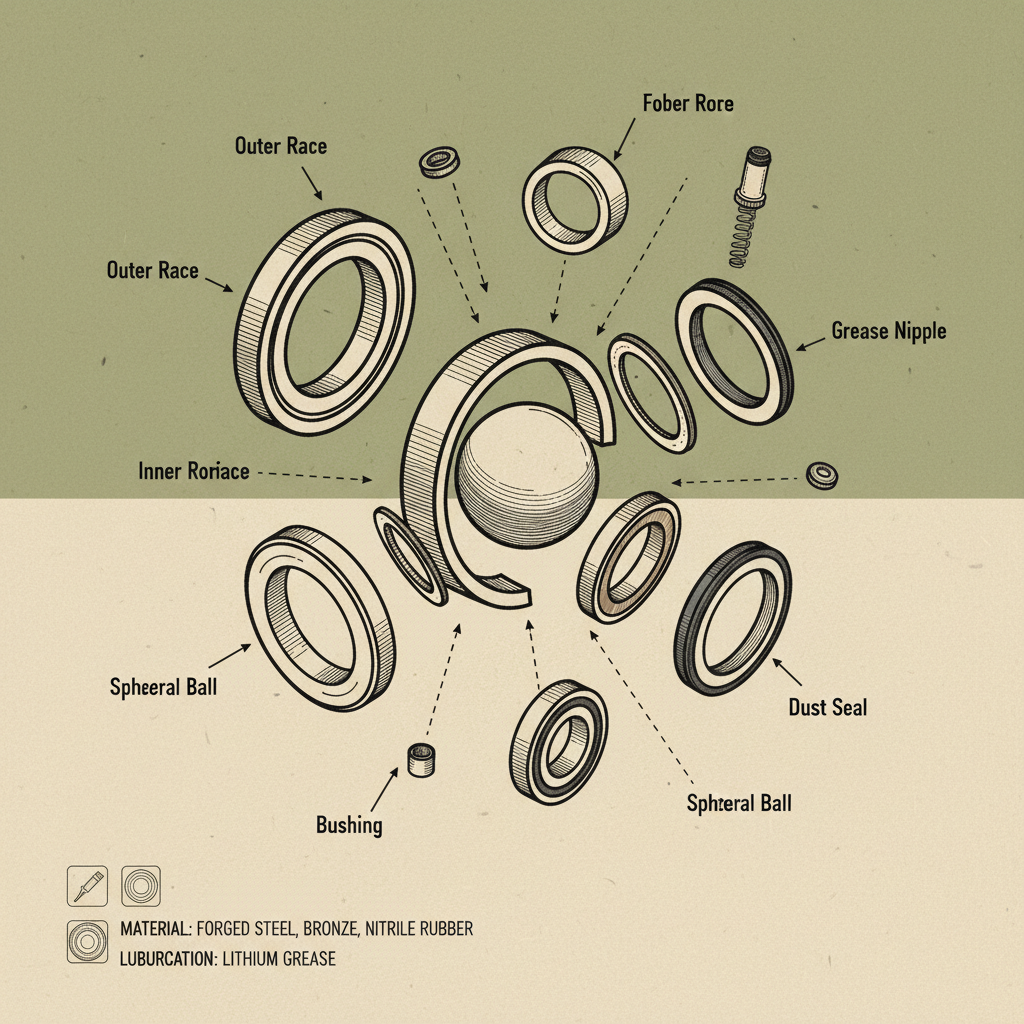
Standard bearings are mass-produced to meet general specifications, while custom bearings are engineered to precise requirements based on the application's unique conditions. This includes material selection, internal geometry, lubrication, and sealing. Custom designs optimize performance, lifespan, and reliability in challenging environments where standard bearings would fail.
The timeline varies based on complexity, but generally ranges from 8-16 weeks. This includes design analysis, prototyping, material sourcing, manufacturing, and quality control. Close collaboration with the customer throughout the process is crucial to ensure the final product meets their exact needs. Rushed jobs are possible, but will always add cost and potentially reduce performance.
We need detailed information about the application: load conditions (radial & axial), operating speed, temperature range, environment (corrosive, abrasive, etc.), desired lifespan, and any specific performance requirements. Drawings or sketches are also helpful, but not always required initially.
Common materials include high-carbon chromium steel, stainless steel, ceramic, and various alloys. The choice depends on the application's demands. For high-temperature applications, we might use materials like M50 or ceramic. For corrosive environments, stainless steel is often preferred.
Absolutely. We offer failure analysis services to identify the root cause of bearing failures. Based on our findings, we can redesign the bearing to address the issues and prevent future failures. This often involves changes to materials, geometry, or lubrication.
The minimum order quantity varies depending on the complexity of the design and the materials used. Typically, it’s between 25 and 100 bearings. However, we can often work with smaller quantities for specialized applications or prototyping purposes, but expect pricing to be higher per unit.
In short, custom spherical roller bearing design isn’t just a technical exercise; it’s a strategic investment. It’s about optimizing performance, minimizing downtime, increasing safety, and reducing long-term costs. From heavy industry to renewable energy, these bearings are the unsung heroes keeping critical systems running smoothly.
Looking ahead, the demand for custom solutions will only continue to grow as industries push the boundaries of what’s possible. If you're facing a challenging application, don't settle for an off-the-shelf bearing. Invest in a custom design and experience the difference. Visit our website at www.btzbearing.com to learn more about how we can help.

 Afrikaans
 Albanian
 Amharic
 Arabic
 Armenian
 Azerbaijani
 Basque
 Belarusian
 Bengali
 Bosnian
 Bulgarian
 Catalan
 Cebuano
 Corsican
 Croatian
 Czech
Czech
 Danish
 Dutch
Dutch
 Esperanto
 Estonian
 Finnish
 French
 Frisian
 Galician
 Georgian
 German
 Greek
Greek
 Gujarati
 Haitian Creole
 Hausa
Hausa
 Hawaiian
 Hebrew
 Hindi
Hindi
 Miao
Miao
 Hungarian
 Icelandic
 Igbo
Igbo
 Indonesian
 Irish
Irish
 Italian
 Japanese
 Javanese
 Kannada
 Kazakh
 Khmer
Khmer
 Rwandese
 Korean
 Kurdish
 Kyrgyz
 Lao
Lao
 Latin
Latin
 Latvian
 Lithuanian
 Luxembourgish
 Macedonian
 Malgashi
 Malay
Malay
 Malayalam
 Maltese
 Maori
Maori
 Marathi
 Mongolian
 Myanmar
 Nepali
 Norwegian
 Norwegian
 Occitan
 Pashto
 Persian
 Polish
 Portuguese
 Punjabi
 Romanian
 Russian
 Samoan
 Scottish Gaelic
 Serbian
 Sesotho
 Shona
Shona
 Sindhi
 Sinhala
 Slovak
 Slovenian
 Somali
 Spanish
 Sundanese
 Swahili
 Swedish
 Tagalog
 Tajik
Tajik
 Tamil
Tamil
 Tatar
Tatar
 Telugu
 Thai
Thai
 Turkish
 Turkmen
 Ukrainian
 Urdu
Urdu
 Uighur
 Uzbek
Uzbek
 Vietnamese
 Welsh
Welsh
 Bantu
Bantu
 Yiddish
 Yoruba
 Zulu
Zulu
 English