To be honest, things are moving fast these days. Everyone's talking about Industry 4.0, smart factories, predictive maintenance… it’s all well and good, but out on the shop floor, we need things that actually work. I’ve spent the last twenty years crawling around machinery, getting grease under my nails, and let me tell you, fancy buzzwords don’t always translate to real-world reliability. Lately, it’s all been about higher tolerances, more automation, and this push for customization. But strangely, the more complicated things get, the more opportunities there are for things to go wrong.
And believe me, they do go wrong. You wouldn’t believe the number of times I’ve seen a perfectly good design trip up over a seemingly minor detail. Have you noticed how everyone wants everything to be smaller, lighter, more efficient? Great, but then you compromise on robustness. It’s a constant balancing act.
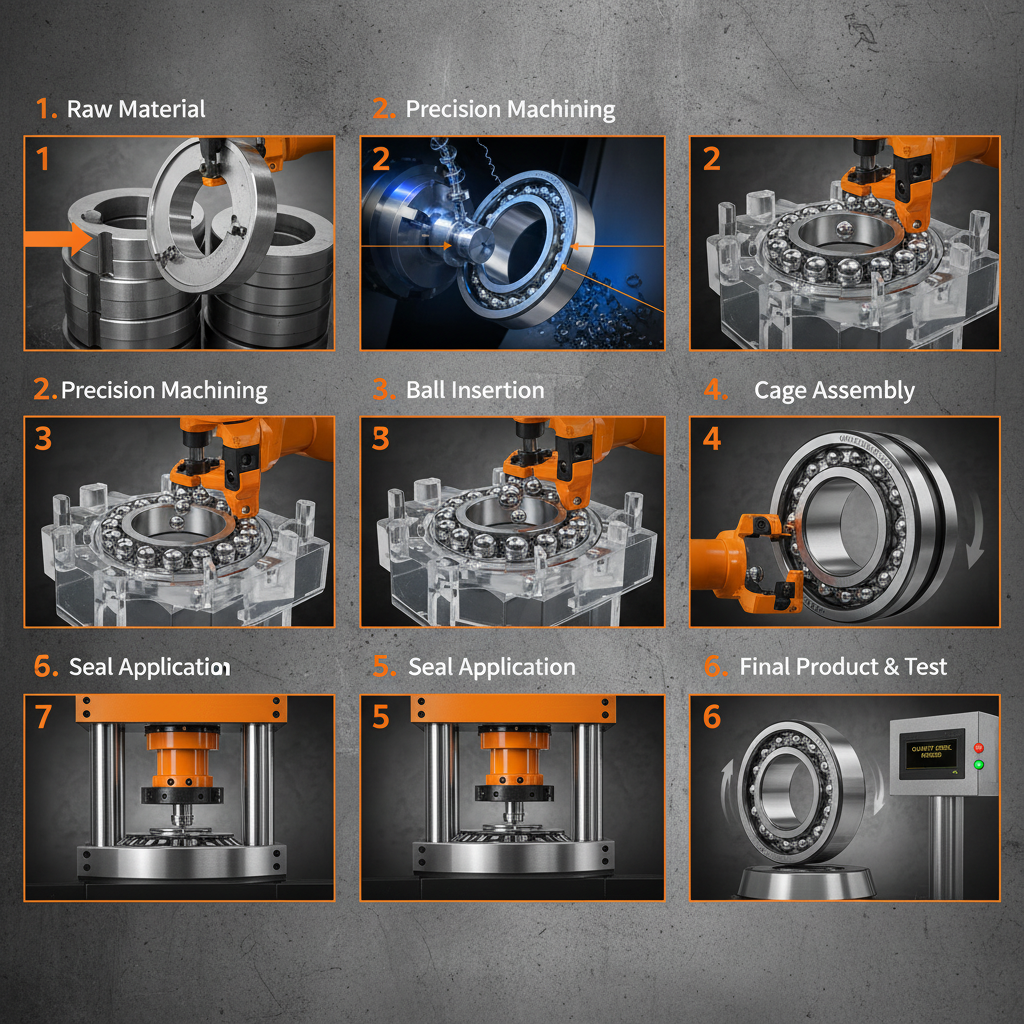
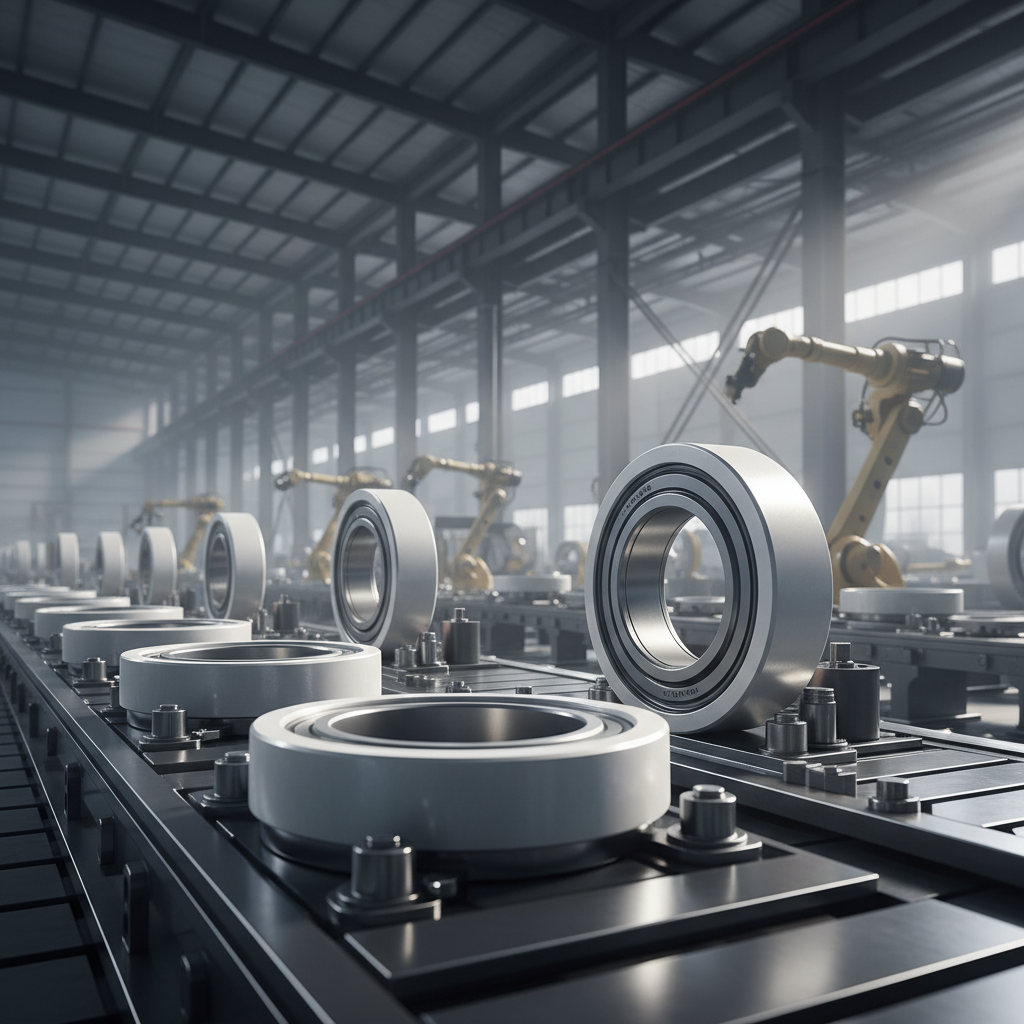
That’s where custom high misalignment spherical bearings come in. We’ve been using them more and more, and honestly, they’re a bit of a lifesaver in certain situations.
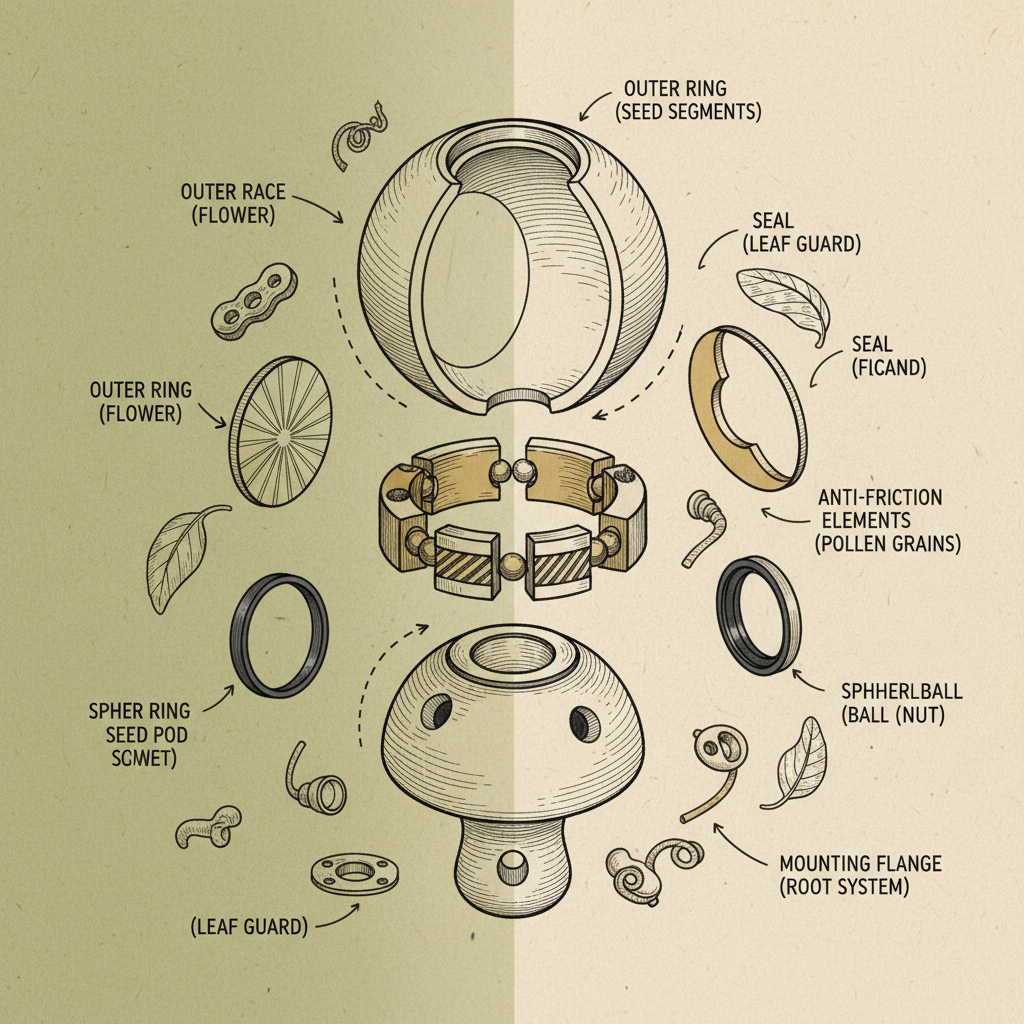
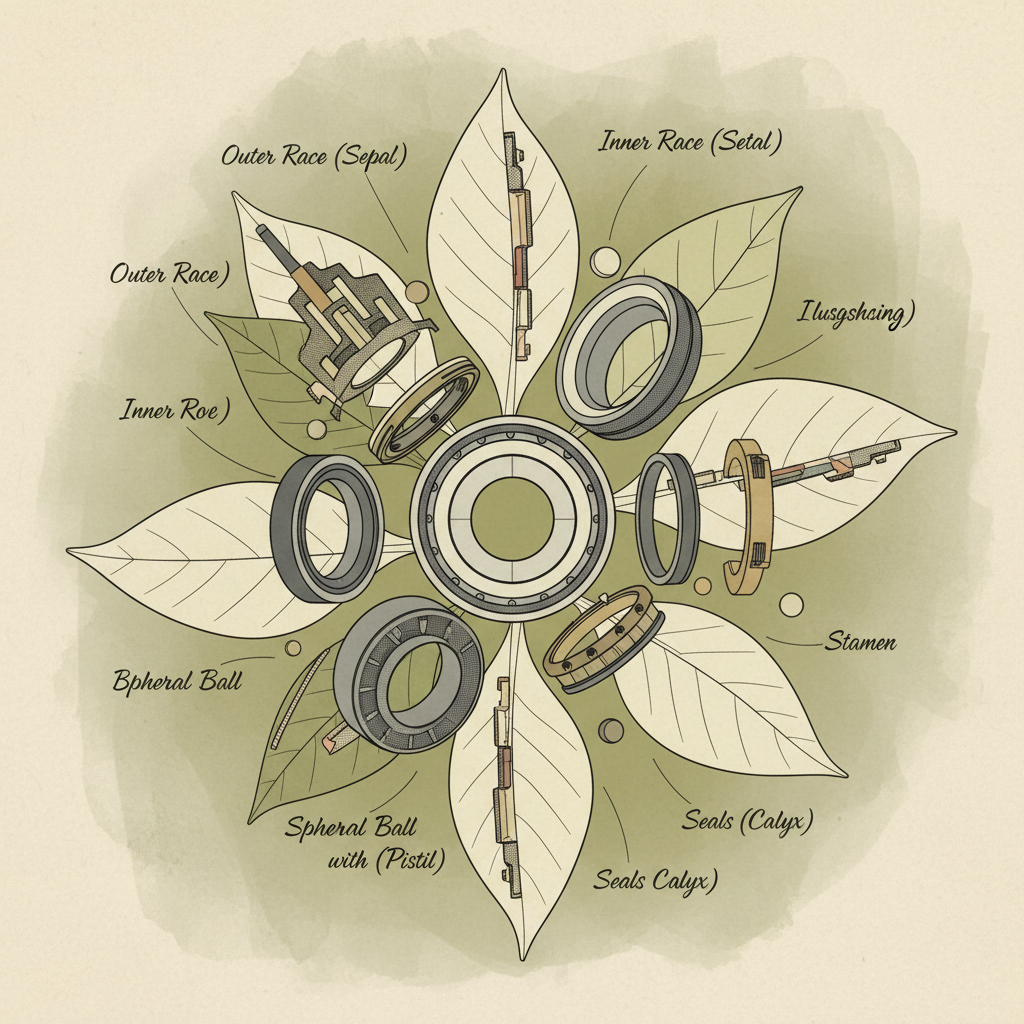
It started about five years ago, I think. More and more equipment needed to handle varying loads, vibrations, and angles. Standard bearings just weren’t cutting it. I encountered this at a steel mill in Chongqing last time – the rollers kept seizing up because the alignment was slightly off. That’s when we started looking seriously at these high misalignment spherical bearings. It’s not just about bigger machines either; smaller, more agile manufacturing setups are demanding this kind of flexibility.
The demand for bespoke solutions is exploding. Everyone wants something tailored to their specific needs. That’s great for us, but it means more design work, more testing… and more potential headaches. Anyway, I think it's a good sign that people are willing to invest in quality and reliability.
Honestly? Not understanding their application. Folks often focus on the misalignment angle without considering the load, speed, and operating environment. You can have a bearing that handles a ton of misalignment, but if it’s not designed for the load, it’ll fail just as quickly. It’s about the whole system, not just one component.
They’re typically more expensive, sometimes significantly so, depending on the customization. You’re paying for the engineering, the specialized materials, and the lower production volumes. But remember, downtime is expensive too. If a standard bearing fails and shuts down a critical process, the cost of a custom high misalignment bearing quickly pays for itself.
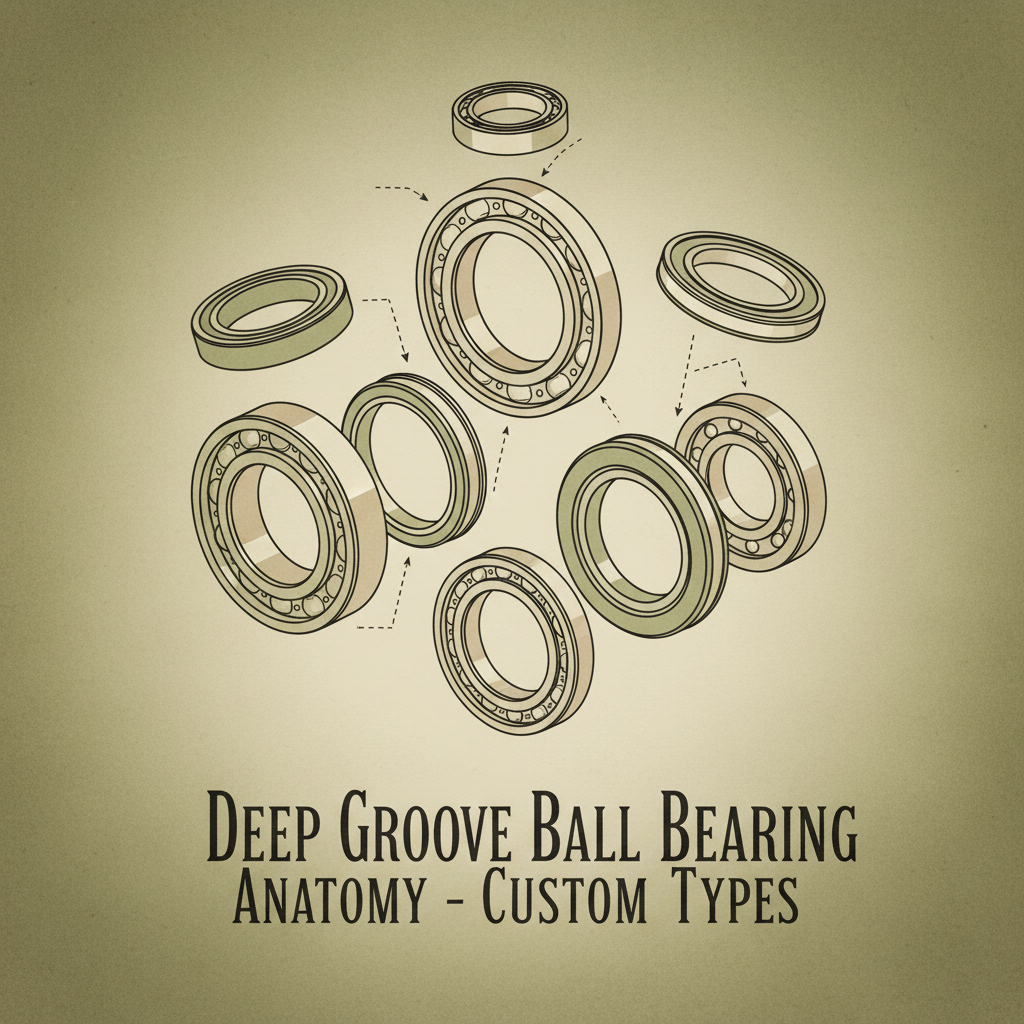
Pretty much. Within reason, of course. We can modify the materials, dimensions, internal geometry, seals, even add integrated sensors. We've done everything from changing the surface finish to adding custom lubrication features. We try to talk folks down from wild ideas, though. Some things just aren’t practical or cost-effective.
It varies, but generally, expect at least 8-12 weeks. Design, prototyping, tooling… it all takes time. If it’s a relatively simple modification to an existing design, we can sometimes turn it around faster. But complex customizations can take much longer, especially if it requires new tooling.
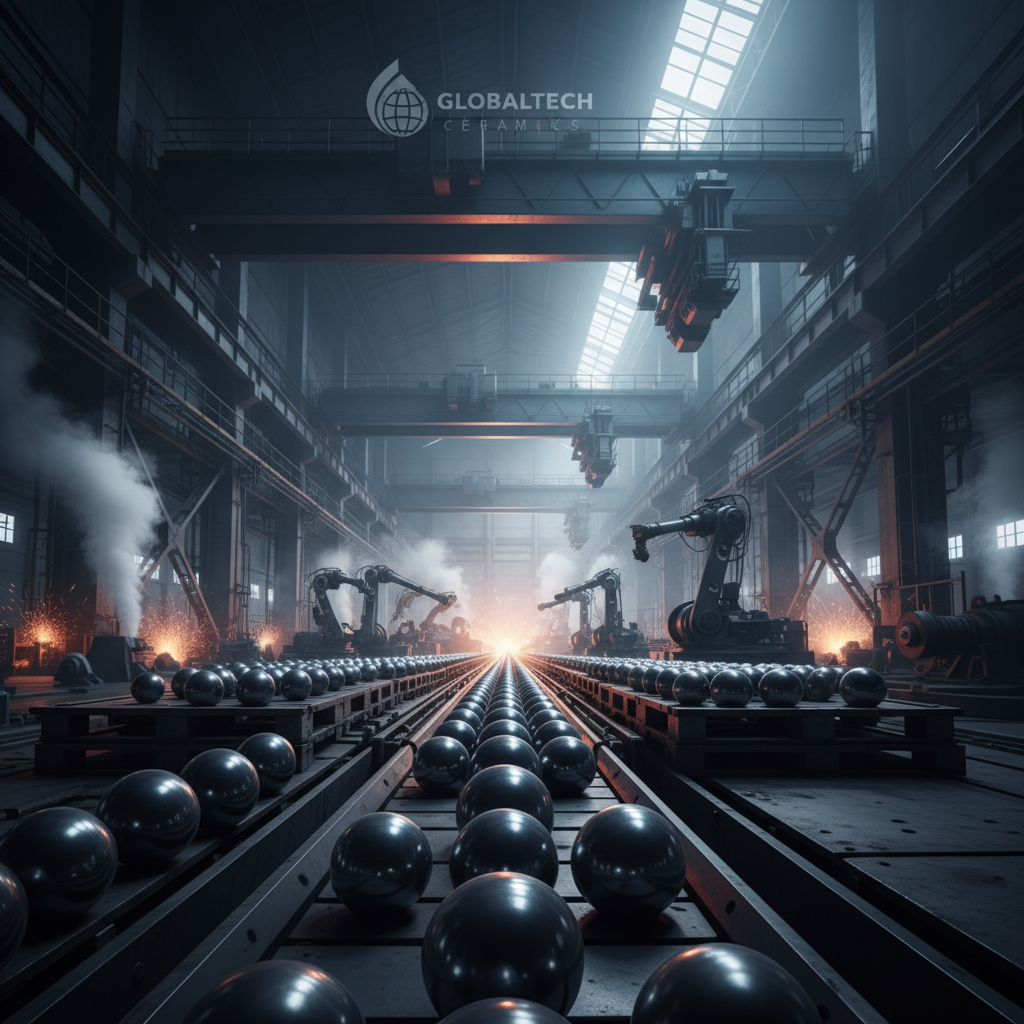
It depends. Standard high misalignment spherical bearings aren’t ideal for extremely high speeds. But we’ve been experimenting with ceramic balls and optimized internal geometries to improve performance at higher RPMs. It's a challenge, but we’re making progress. You need to look at the specific speed and load requirements.
Regular lubrication is key, of course. And periodic inspection for wear and damage. But because they’re more tolerant of misalignment, they generally require less frequent maintenance than standard bearings. That said, don’t ignore them! A little preventative maintenance goes a long way.
Ultimately, custom high misalignment spherical bearings are about solving real-world problems. They’re about reducing downtime, improving reliability, and increasing efficiency. They’re not a magic bullet, but they can be a game-changer in the right application. We’ve seen them save companies significant money and improve their overall performance.
But here's the thing: whether this thing works or not, the worker will know the moment he tightens the screw. It’s about understanding the needs of the people on the shop floor, providing them with the tools they need to do their job, and building a product that can withstand the rigors of everyday use. If you're looking for a solution to a challenging misalignment issue, check out our website: custom high misalignment spherical bearings.

 Afrikaans
 Albanian
 Amharic
 Arabic
 Armenian
 Azerbaijani
 Basque
 Belarusian
 Bengali
 Bosnian
 Bulgarian
 Catalan
 Cebuano
 Corsican
 Croatian
 Czech
Czech
 Danish
 Dutch
Dutch
 Esperanto
 Estonian
 Finnish
 French
 Frisian
 Galician
 Georgian
 German
 Greek
Greek
 Gujarati
 Haitian Creole
 Hausa
Hausa
 Hawaiian
 Hebrew
 Hindi
Hindi
 Miao
Miao
 Hungarian
 Icelandic
 Igbo
Igbo
 Indonesian
 Irish
Irish
 Italian
 Japanese
 Javanese
 Kannada
 Kazakh
 Khmer
Khmer
 Rwandese
 Korean
 Kurdish
 Kyrgyz
 Lao
Lao
 Latin
Latin
 Latvian
 Lithuanian
 Luxembourgish
 Macedonian
 Malgashi
 Malay
Malay
 Malayalam
 Maltese
 Maori
Maori
 Marathi
 Mongolian
 Myanmar
 Nepali
 Norwegian
 Norwegian
 Occitan
 Pashto
 Persian
 Polish
 Portuguese
 Punjabi
 Romanian
 Russian
 Samoan
 Scottish Gaelic
 Serbian
 Sesotho
 Shona
Shona
 Sindhi
 Sinhala
 Slovak
 Slovenian
 Somali
 Spanish
 Sundanese
 Swahili
 Swedish
 Tagalog
 Tajik
Tajik
 Tamil
Tamil
 Tatar
Tatar
 Telugu
 Thai
Thai
 Turkish
 Turkmen
 Ukrainian
 Urdu
Urdu
 Uighur
 Uzbek
Uzbek
 Vietnamese
 Welsh
Welsh
 Bantu
Bantu
 Yiddish
 Yoruba
 Zulu
Zulu
 English