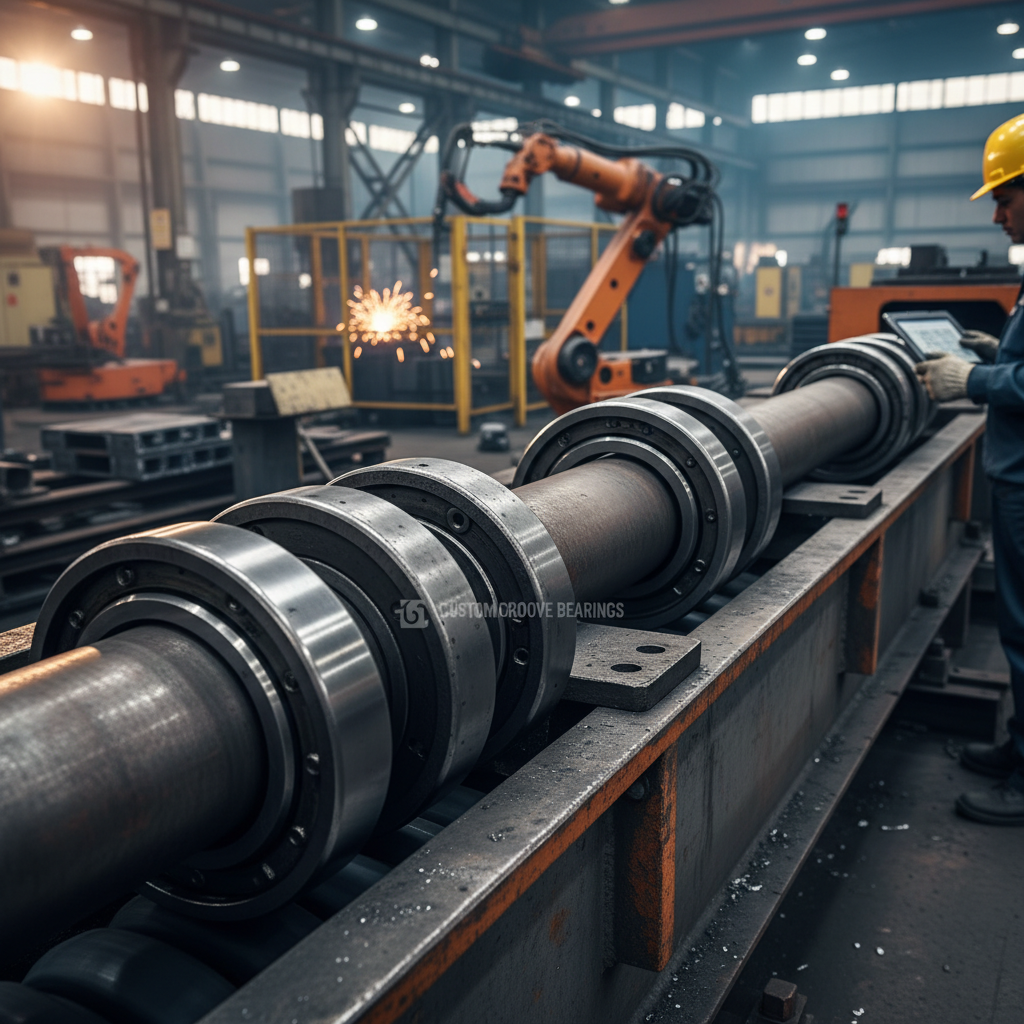
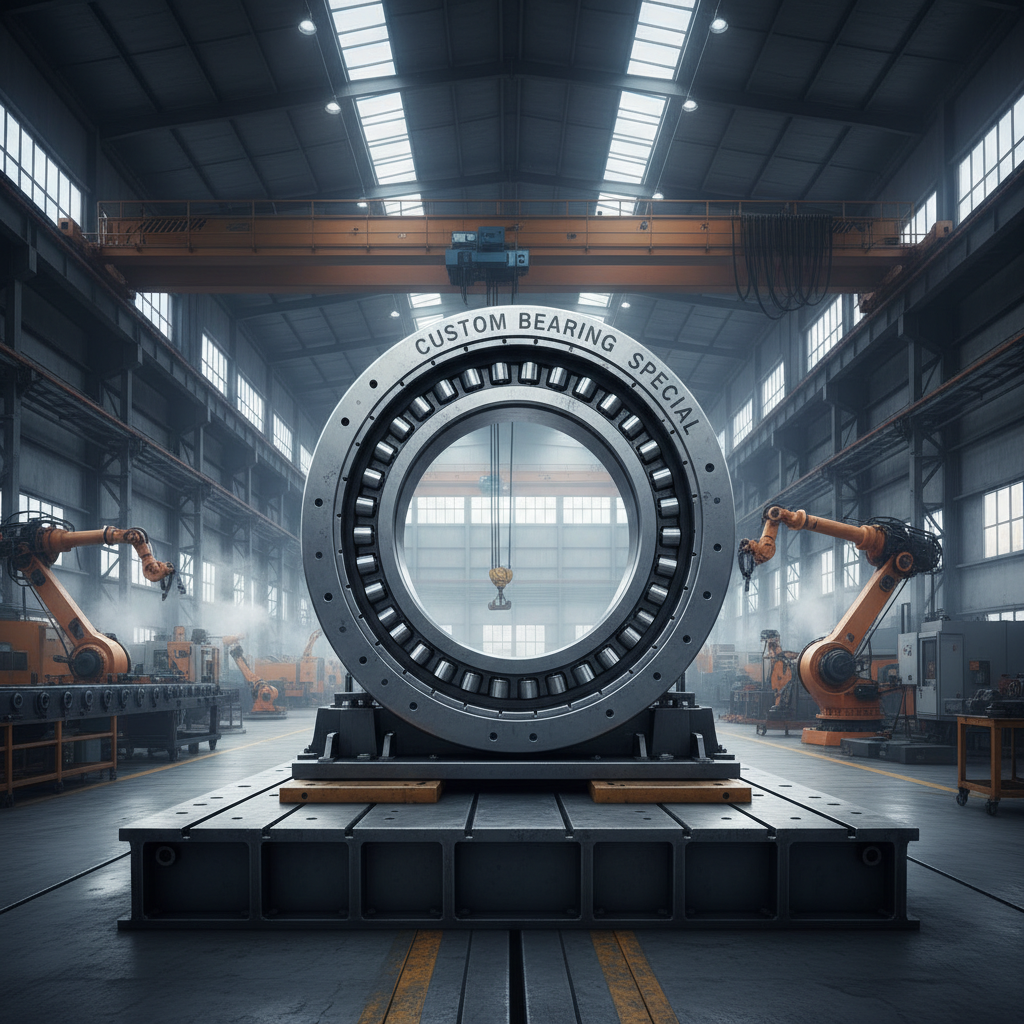
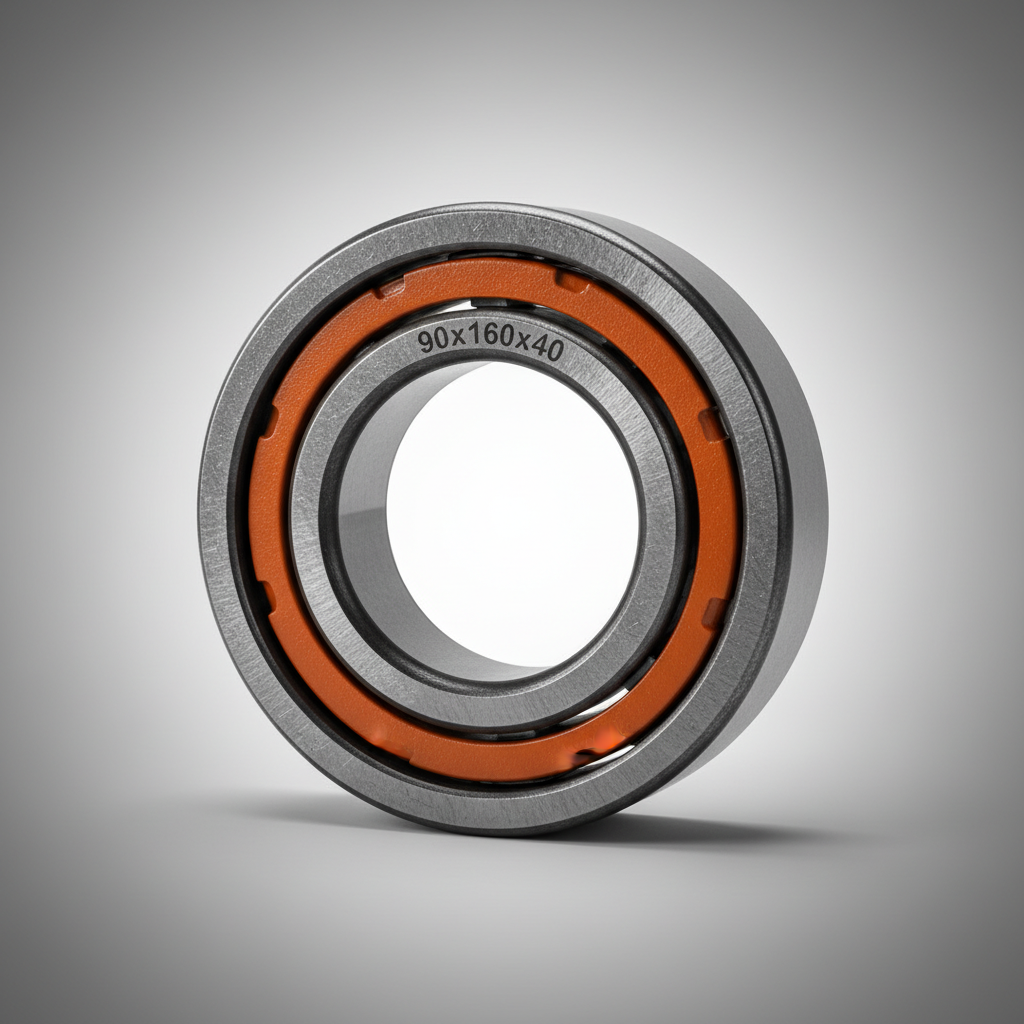
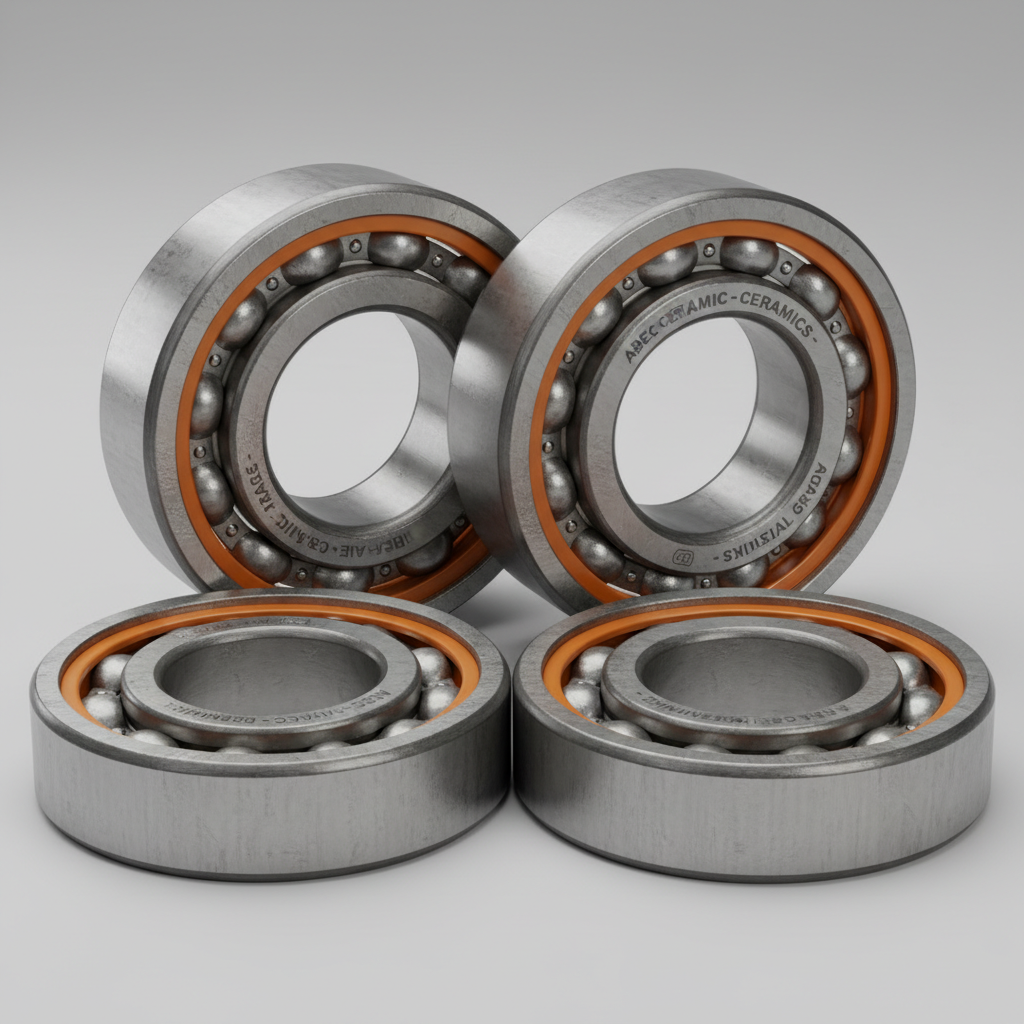
To be honest, this year's bearing market…it’s all about customization. Everyone wants something specific, something ‘just right.’ It’s a far cry from a few years back when folks were just happy to get a bearing, any bearing. Now they want precision, they want materials that can handle the heat, the grime, everything. And the custom spherical roller bearing price? That’s what everyone’s asking about, naturally. It’s not just about the initial cost anymore, it’s the whole lifecycle, the downtime if it fails, you know?
Have you noticed how everyone's chasing higher load capacities? It’s a good thing, don't get me wrong, but people often overlook the mounting. Get the mounting wrong, and all that fancy capacity is worthless. I encountered this at a factory in Jiangsu last time – spent three days troubleshooting because they’d skimped on the housing. Three days! Anyway, I think it’s a good reminder to look at the whole system.
And the spherical roller bearings… they’re surprisingly sensitive to misalignment. People think "spherical" means you can throw them in any direction, but it’s not quite like that. It’s about correcting for dynamic misalignment, not just static angles. You gotta understand the application.

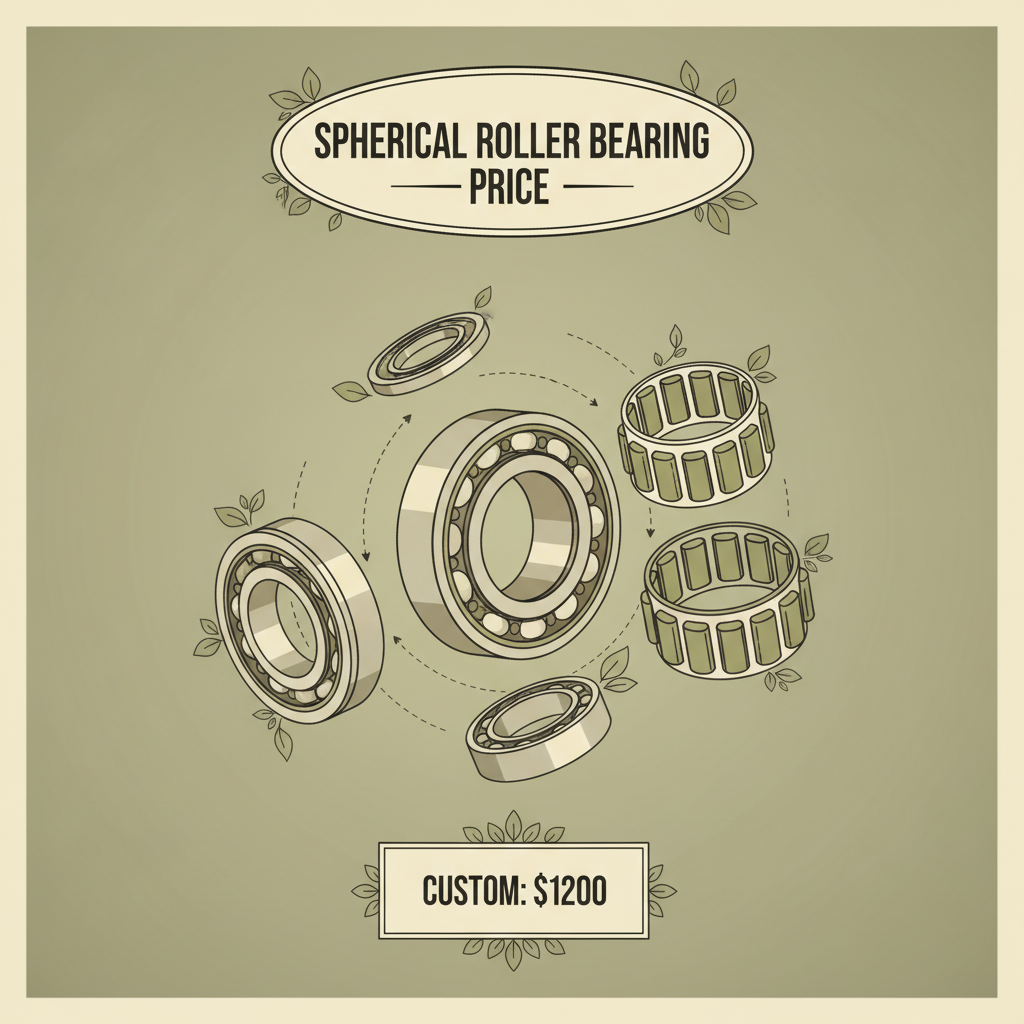
Strangely enough, the demand for higher precision is driving up the custom spherical roller bearing price, but not always in the way you'd think. It's not just about the bearing itself; it’s the QC, the inspection, the documentation. Companies are realizing that a failed bearing can shut down an entire line, and the cost of that downtime is enormous.
You see it a lot in the automation sector. Robots, conveyors… they need bearings that can run 24/7. And they need traceability. They want to know exactly where every component came from, what batch it was made in, what tests it passed. It’s a whole new level of scrutiny.
The biggest price drivers are material selection, quantity ordered, and the complexity of any required customization. Stainless steel will always cost more than standard steel, and smaller batches increase the per-unit cost. Complex geometries or tight tolerances add machining time, driving the price up. Don't forget the shipping costs either!
Lead times vary drastically. A simple customization, like a different lubricant, might take 2-3 weeks. A full material change and redesign could easily take 8 weeks or more. It's crucial to plan ahead and factor in potential delays, especially during peak manufacturing seasons. We always recommend adding a buffer to your schedule.
Consider the operating environment: temperature, corrosion, load, and speed. For high temperatures, ceramic or specialized steel alloys are necessary. For corrosive environments, stainless steel or coatings are essential. The load capacity dictates the steel grade required. And higher speeds demand tighter tolerances and specific materials.
Absolutely. We can specify the type of grease, pre-lubricate the bearing, or even design for oil circulation systems. The right lubricant is critical for extending bearing life and preventing failure. We work with several lubricant suppliers to find the best solution for each application. Proper lubrication is often overlooked, but it's essential.
We can customize almost any aspect of the bearing, from dimensions and tolerances to materials and coatings. However, extremely complex modifications can be costly and time-consuming. We always perform a feasibility study to assess the practicality and cost-effectiveness of any requested customization. We'll tell you straight if something isn't realistic.
Ordering in larger quantities significantly reduces the per-unit cost. This is due to economies of scale in manufacturing and reduced setup costs. We offer tiered pricing based on volume, so the more you order, the lower the price per bearing. It's always worth discussing your projected needs to see if a larger order is feasible.
Ultimately, the world of custom spherical roller bearings is complex. It’s about understanding the application, the materials, the tolerances, and the trade-offs. It's not just about finding the cheapest price; it’s about finding the right bearing for the job. The custom spherical roller bearing price is a reflection of all these factors.
But here’s the thing: all the calculations, all the simulations, all the fancy engineering… it doesn’t matter if the bearing doesn’t perform in the real world. Ultimately, whether this thing works or not, the worker will know the moment he tightens the screw. That’s what keeps me coming back to the factory floor, every single day.

 Afrikaans
 Albanian
 Amharic
 Arabic
 Armenian
 Azerbaijani
 Basque
 Belarusian
 Bengali
 Bosnian
 Bulgarian
 Catalan
 Cebuano
 Corsican
 Croatian
 Czech
Czech
 Danish
 Dutch
Dutch
 Esperanto
 Estonian
 Finnish
 French
 Frisian
 Galician
 Georgian
 German
 Greek
Greek
 Gujarati
 Haitian Creole
 Hausa
Hausa
 Hawaiian
 Hebrew
 Hindi
Hindi
 Miao
Miao
 Hungarian
 Icelandic
 Igbo
Igbo
 Indonesian
 Irish
Irish
 Italian
 Japanese
 Javanese
 Kannada
 Kazakh
 Khmer
Khmer
 Rwandese
 Korean
 Kurdish
 Kyrgyz
 Lao
Lao
 Latin
Latin
 Latvian
 Lithuanian
 Luxembourgish
 Macedonian
 Malgashi
 Malay
Malay
 Malayalam
 Maltese
 Maori
Maori
 Marathi
 Mongolian
 Myanmar
 Nepali
 Norwegian
 Norwegian
 Occitan
 Pashto
 Persian
 Polish
 Portuguese
 Punjabi
 Romanian
 Russian
 Samoan
 Scottish Gaelic
 Serbian
 Sesotho
 Shona
Shona
 Sindhi
 Sinhala
 Slovak
 Slovenian
 Somali
 Spanish
 Sundanese
 Swahili
 Swedish
 Tagalog
 Tajik
Tajik
 Tamil
Tamil
 Tatar
Tatar
 Telugu
 Thai
Thai
 Turkish
 Turkmen
 Ukrainian
 Urdu
Urdu
 Uighur
 Uzbek
Uzbek
 Vietnamese
 Welsh
Welsh
 Bantu
Bantu
 Yiddish
 Yoruba
 Zulu
Zulu
 English