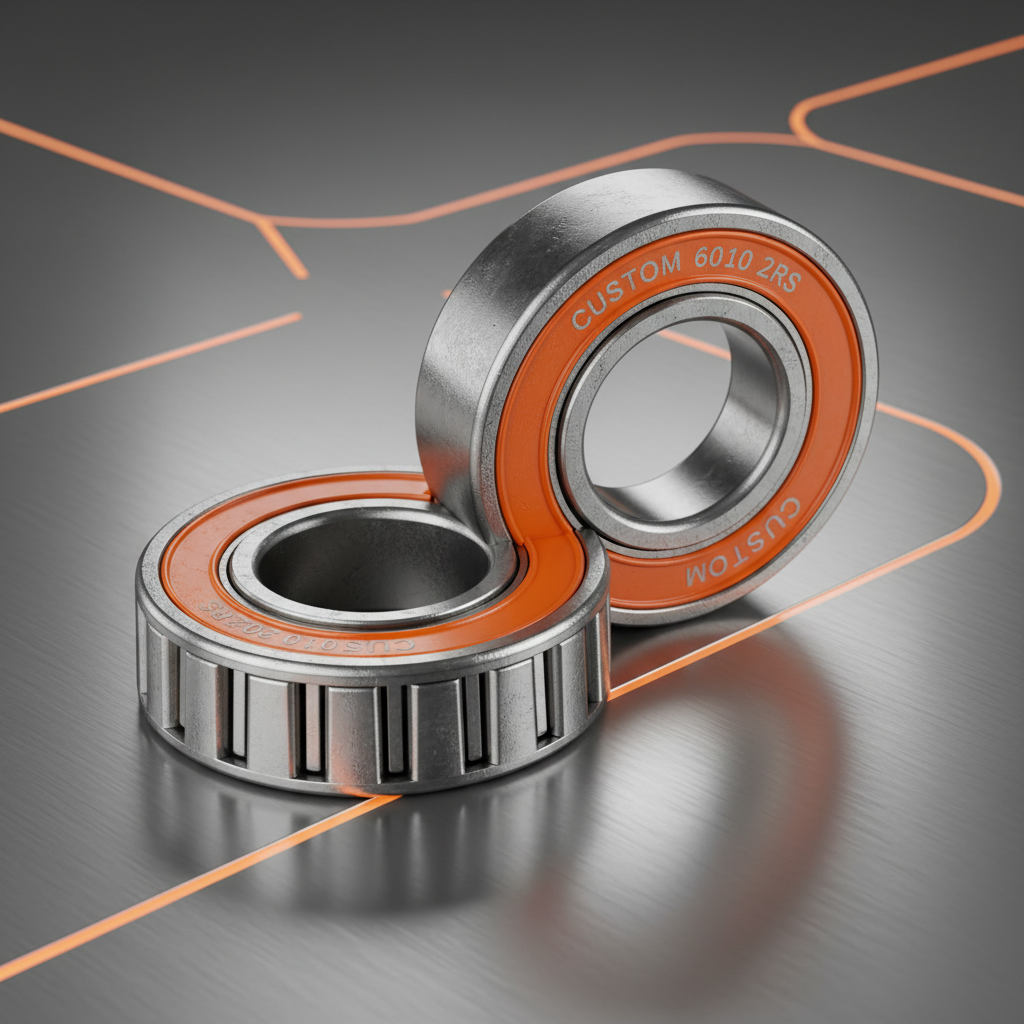
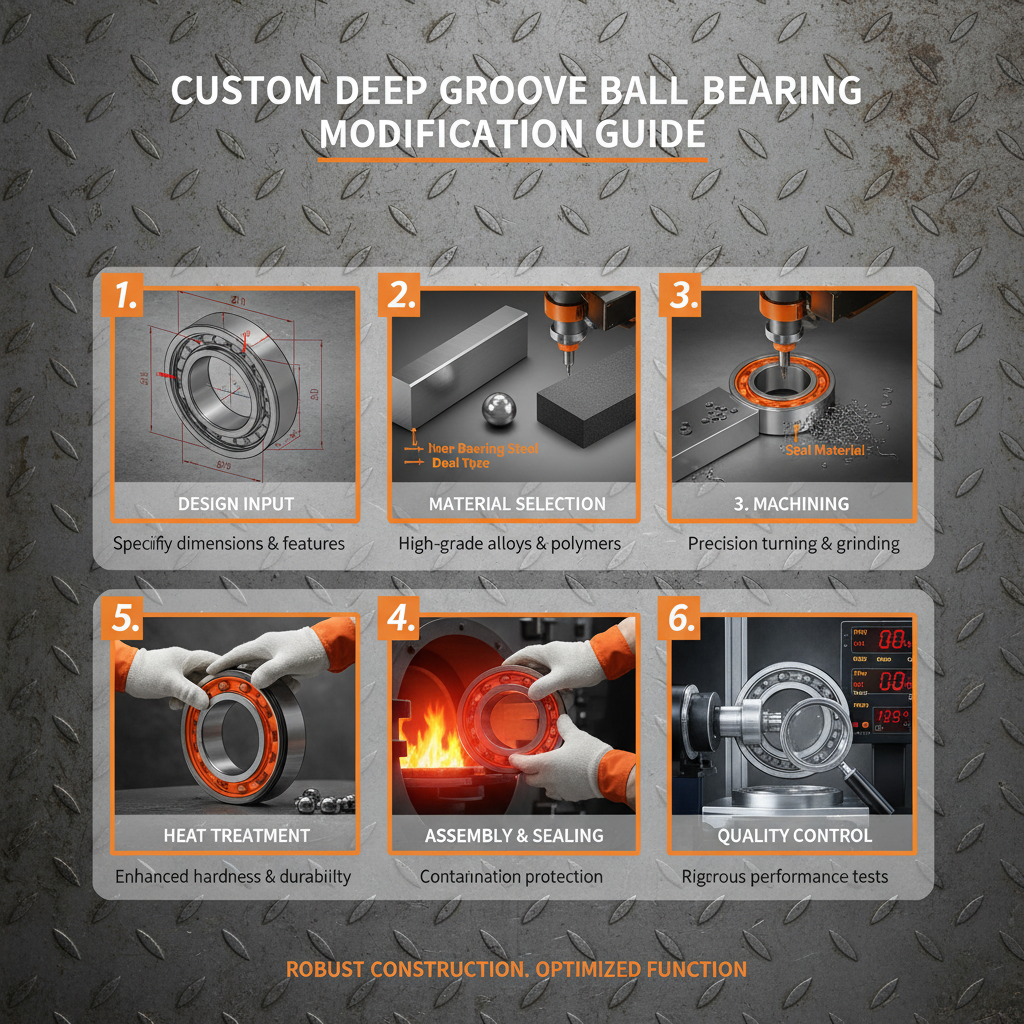
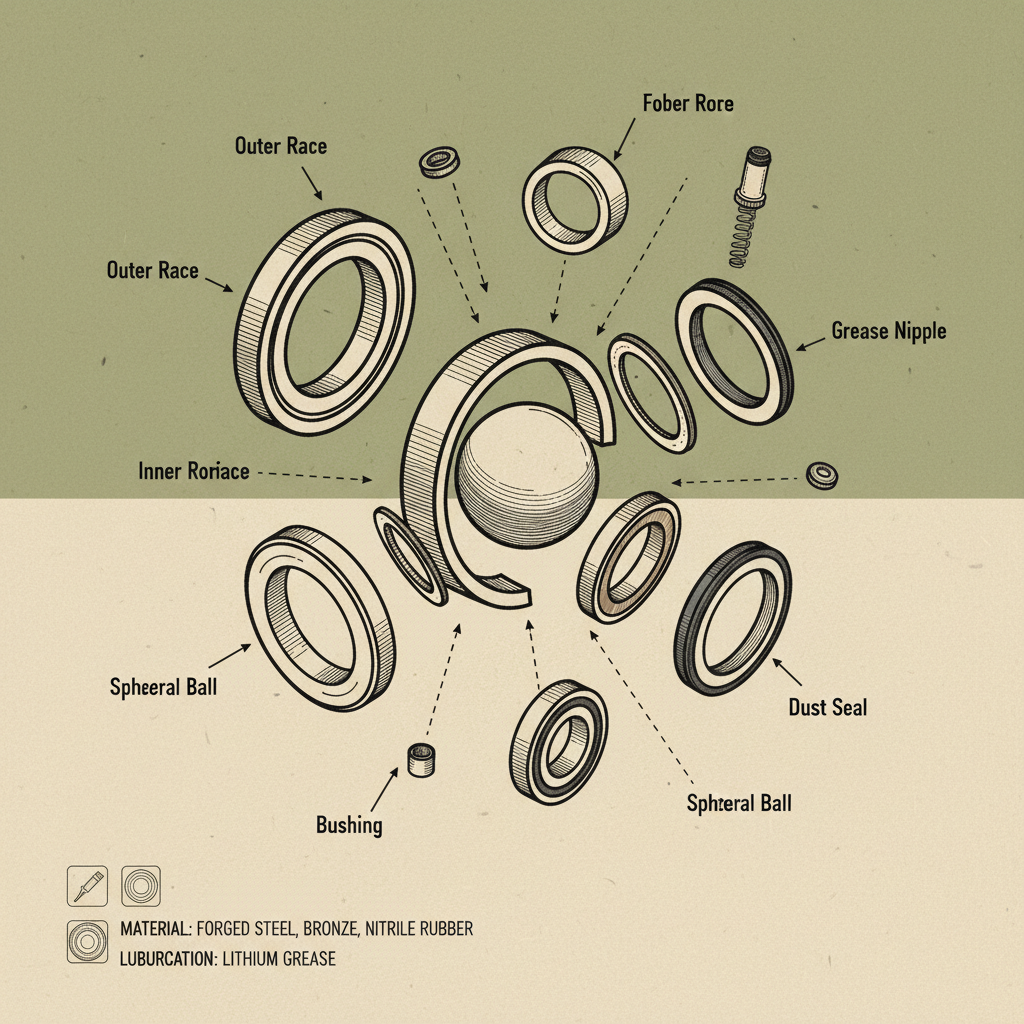
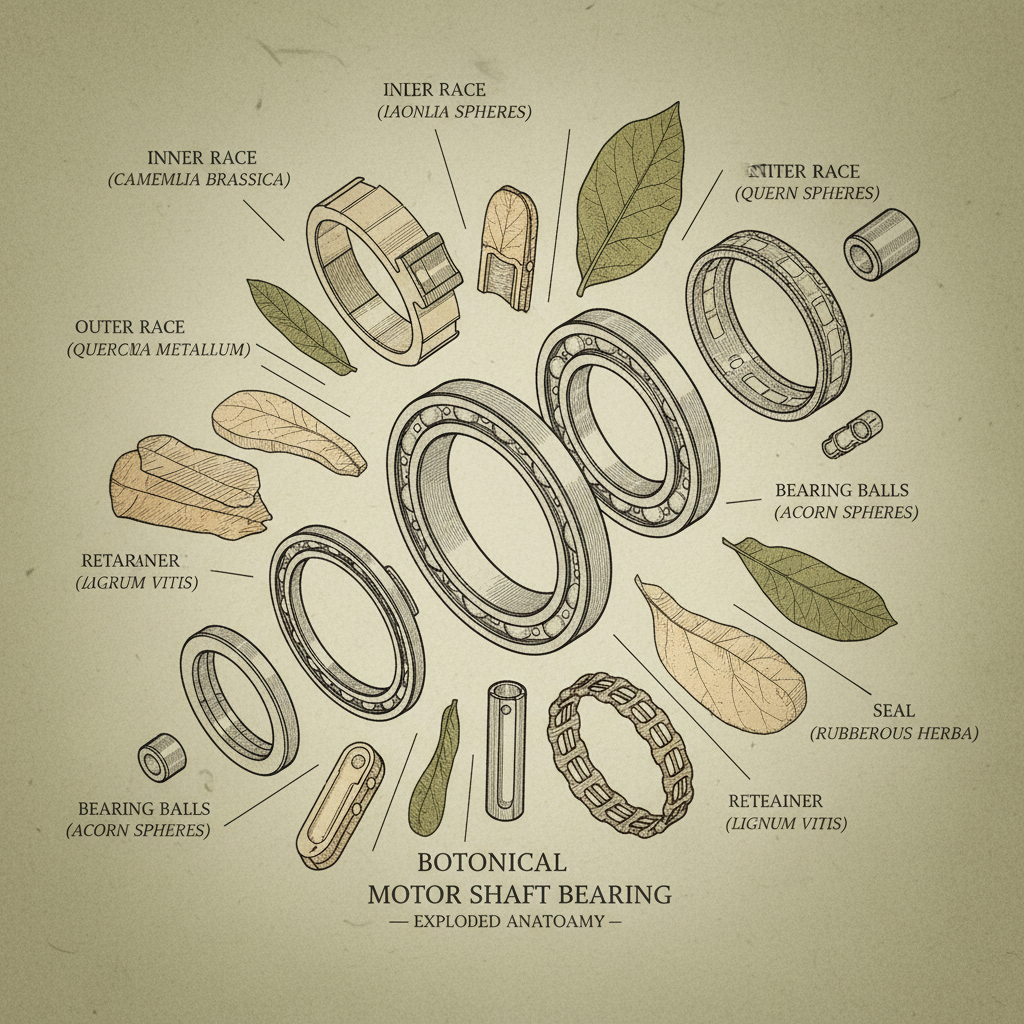
Look, I've spent the last fifteen years breathing concrete dust and chasing engineers around job sites. When it comes to bearings, especially for tough applications, you quickly learn what holds up and what doesn’t. That's where custom ceramic bearings come in. It's not just about fancy materials; it's about solving real-world problems where standard steel bearings just flat-out fail. We're talking about longevity, precision, and ultimately, keeping projects on schedule and under budget. The move towards these specialized bearings, specifically through a reliable custom ceramic bearings factory, is becoming less of a luxury and more of a necessity.
The demand is driven by everything from heavy construction equipment to specialized machinery. We’re seeing a shift toward more aggressive timelines and higher performance demands, and standard components are often the bottleneck. A properly specified ceramic bearing, sourced from a competent custom ceramic bearings factory, can dramatically reduce downtime and maintenance costs. And believe me, when a multi-million dollar piece of equipment is sitting idle, every hour counts.
It's not a silver bullet, though. There’s a lot of misinformation out there, and you need to understand the nuances. Selecting the right ceramic material and working with a custom ceramic bearings factory that understands your application is critical. It’s about more than just swapping out parts; it’s about integrating a solution into the overall design and maintenance strategy.
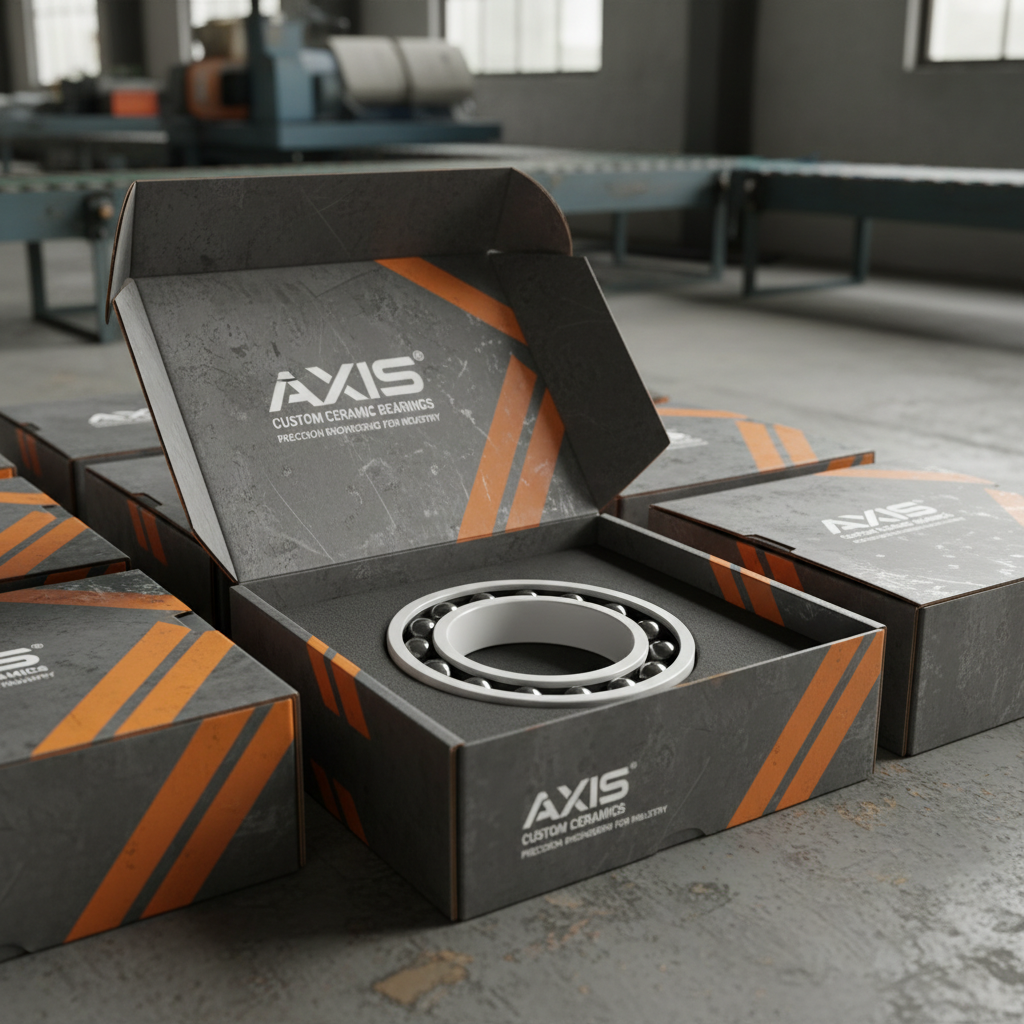
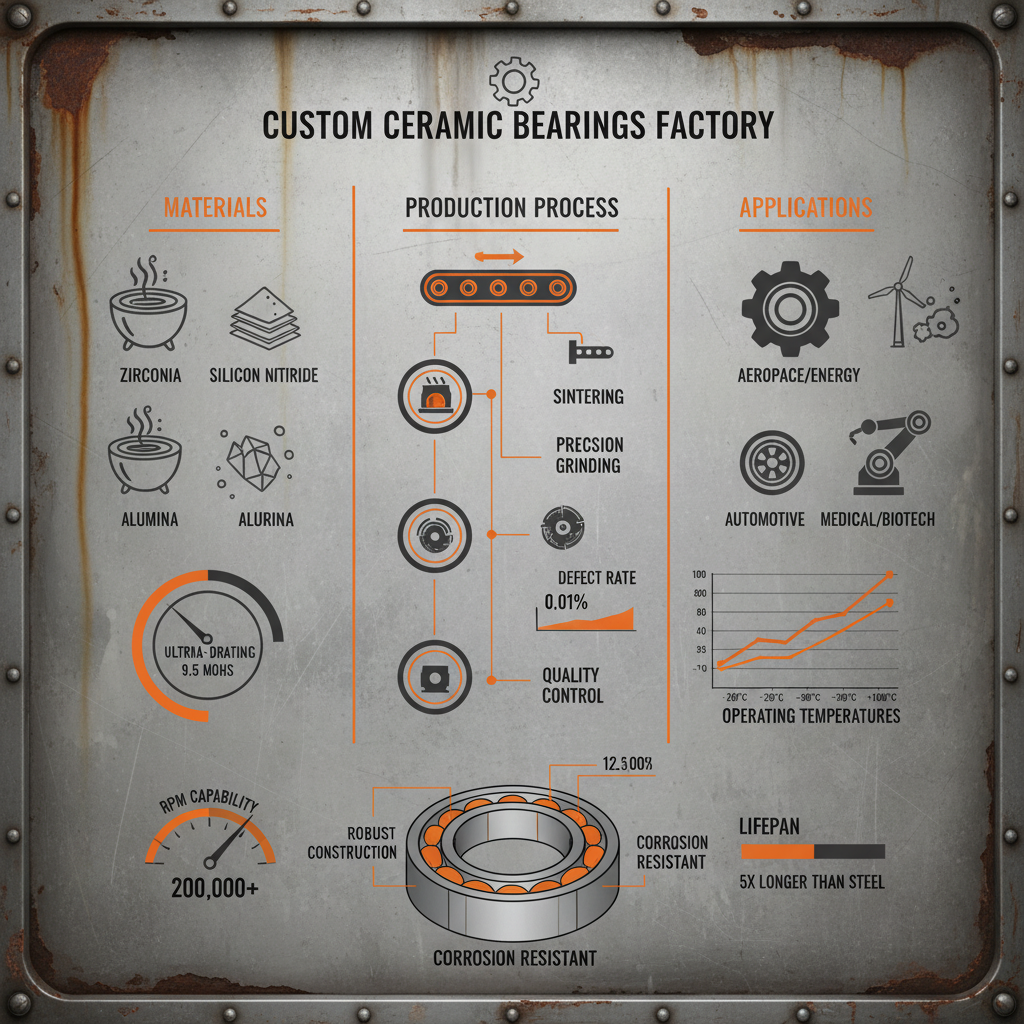
Simply put, the value is in reliability. I’ve seen projects delayed for weeks waiting on replacements for worn-out steel bearings. Custom ceramic bearings, sourced from a dependable custom ceramic bearings factory, offer superior resistance to corrosion, wear, and high temperatures – the things that kill bearings in harsh environments.
It’s not just about preventing failures, either. It’s about enabling higher speeds, reduced friction, and improved overall efficiency. This translates into tangible cost savings, especially in applications where downtime is incredibly expensive. A good custom ceramic bearings factory will work with you to determine the optimal material and design for your specific needs.
Ceramic bearings offer significantly higher hardness, corrosion resistance, and temperature tolerance compared to steel. They also exhibit lower friction and can operate at higher speeds, leading to improved efficiency and reduced downtime. While the initial cost is higher, the extended lifespan and reduced maintenance often result in a lower total cost of ownership, especially in demanding applications. A good custom ceramic bearings factory will help you evaluate if this trade off is appropriate for your specific application.
Silicon nitride is a popular choice for its high strength and thermal stability. Zirconia offers good wear resistance and toughness. Alumina is a more cost-effective option for less demanding applications. The best material depends on the specific requirements of the application. A reputable custom ceramic bearings factory will guide you through the selection process.
It’s crucial to provide detailed information about the application, including the load, speed, operating temperature, and environment. A custom ceramic bearings factory will work with you to analyze these factors and recommend the optimal bearing size, material, and design. Don't rely on guesswork – accurate specifications are key to success.
Lead times can vary depending on the complexity of the design, the quantity ordered, and the current production schedule. Typically, prototypes can be delivered within 4-6 weeks, while larger production runs may take 8-12 weeks. It's always best to discuss your timeline with the custom ceramic bearings factory upfront to ensure realistic expectations.
Yes, ceramic materials are highly resistant to corrosion, making them ideal for applications in harsh chemical environments. However, it’s important to select the appropriate ceramic material and consider the specific corrosive agents involved. A custom ceramic bearings factory can advise you on the best materials for your application.
Ceramic bearings generally require less maintenance than steel bearings due to their superior wear resistance and corrosion resistance. However, regular lubrication is still important to reduce friction and prevent premature failure. The specific lubrication requirements will depend on the application and operating conditions. Consult with the custom ceramic bearings factory for recommendations.
Custom ceramic bearings aren't a one-size-fits-all solution, but when properly specified and sourced from a reliable custom ceramic bearings factory, they offer a compelling combination of performance, reliability, and long-term cost savings. They represent a significant advancement in bearing technology, enabling innovation across a wide range of industries.
The future is about pushing the boundaries of material science and manufacturing techniques to create even more durable, efficient, and sustainable bearings. By partnering with a forward-thinking custom ceramic bearings factory, you can stay ahead of the curve and unlock the full potential of this transformative technology.

 Afrikaans
 Albanian
 Amharic
 Arabic
 Armenian
 Azerbaijani
 Basque
 Belarusian
 Bengali
 Bosnian
 Bulgarian
 Catalan
 Cebuano
 Corsican
 Croatian
 Czech
Czech
 Danish
 Dutch
Dutch
 Esperanto
 Estonian
 Finnish
 French
 Frisian
 Galician
 Georgian
 German
 Greek
Greek
 Gujarati
 Haitian Creole
 Hausa
Hausa
 Hawaiian
 Hebrew
 Hindi
Hindi
 Miao
Miao
 Hungarian
 Icelandic
 Igbo
Igbo
 Indonesian
 Irish
Irish
 Italian
 Japanese
 Javanese
 Kannada
 Kazakh
 Khmer
Khmer
 Rwandese
 Korean
 Kurdish
 Kyrgyz
 Lao
Lao
 Latin
Latin
 Latvian
 Lithuanian
 Luxembourgish
 Macedonian
 Malgashi
 Malay
Malay
 Malayalam
 Maltese
 Maori
Maori
 Marathi
 Mongolian
 Myanmar
 Nepali
 Norwegian
 Norwegian
 Occitan
 Pashto
 Persian
 Polish
 Portuguese
 Punjabi
 Romanian
 Russian
 Samoan
 Scottish Gaelic
 Serbian
 Sesotho
 Shona
Shona
 Sindhi
 Sinhala
 Slovak
 Slovenian
 Somali
 Spanish
 Sundanese
 Swahili
 Swedish
 Tagalog
 Tajik
Tajik
 Tamil
Tamil
 Tatar
Tatar
 Telugu
 Thai
Thai
 Turkish
 Turkmen
 Ukrainian
 Urdu
Urdu
 Uighur
 Uzbek
Uzbek
 Vietnamese
 Welsh
Welsh
 Bantu
Bantu
 Yiddish
 Yoruba
 Zulu
Zulu
 English