Custom ceramic Si₃N₄, or silicon nitride, represents a pivotal advancement in materials science, impacting a wide range of industries from aerospace and automotive to biomedical engineering and beyond. Its unique combination of properties – exceptional hardness, high strength at elevated temperatures, excellent wear resistance, and remarkable chemical inertness – positions it as a critical component in demanding applications where conventional materials fall short. Understanding the capabilities of this advanced ceramic is crucial for engineers, researchers, and manufacturers seeking to optimize performance and longevity in their products.
The global demand for high-performance ceramics like custom ceramic Si₃N₄ is escalating, driven by increasing needs for lightweight, durable, and energy-efficient solutions. According to recent market analyses, the advanced ceramics market is projected to reach billions of dollars in the coming years, with Si₃N₄ representing a significant share due to its versatility. This growth is particularly pronounced in industries focused on sustainability and reducing carbon footprints, where Si₃N₄ components contribute to improved fuel efficiency and reduced material consumption.
Ultimately, mastering the design, production, and application of custom ceramic Si₃N₄ is no longer simply a matter of technological advancement; it is a strategic imperative for businesses striving for innovation, competitiveness, and long-term success in a rapidly evolving global landscape. The benefits of utilizing this material extend beyond enhanced product performance, offering solutions to critical challenges in diverse sectors.
Custom ceramic Si₃N₄ offers a unique suite of mechanical and thermal properties that are difficult to achieve with traditional materials. These properties stem from its strong covalent bonds and crystal structure, making it incredibly resistant to wear, corrosion, and thermal shock. This leads to longer operational lifetimes and reduced maintenance costs in demanding applications.
The ability to tailor the properties of custom ceramic Si₃N₄ through controlled sintering processes and the addition of specific dopants makes it a versatile material for diverse engineering challenges. This level of customization is paramount for optimizing performance in specialized applications, providing designers with the flexibility needed to meet exacting requirements.
Custom ceramic Si₃N₄ offers significantly higher hardness and wear resistance than steel, leading to dramatically longer component lifespans. It also boasts a lower density, reducing overall weight, and superior corrosion resistance. While steel might be cheaper upfront, Si₃N₄’s longevity reduces lifecycle costs due to decreased maintenance and replacement frequency, making it a cost-effective choice in demanding environments.
The manufacturing process, particularly the sintering method (like hot pressing or spark plasma sintering), plays a crucial role in determining the final microstructure and, consequently, the material's properties. Factors like sintering temperature, pressure, and atmosphere influence grain size, density, and the presence of residual stresses. Careful control of these parameters is essential to achieve the desired performance characteristics for specific applications.
Applications requiring high temperature strength, wear resistance, and chemical inertness are ideal for custom ceramic Si₃N₄. This includes aerospace components like turbine blades, automotive parts like fuel injectors, cutting tools for machining, bearings, and biomedical implants. Its unique combination of properties makes it superior to many other materials in these harsh environments.
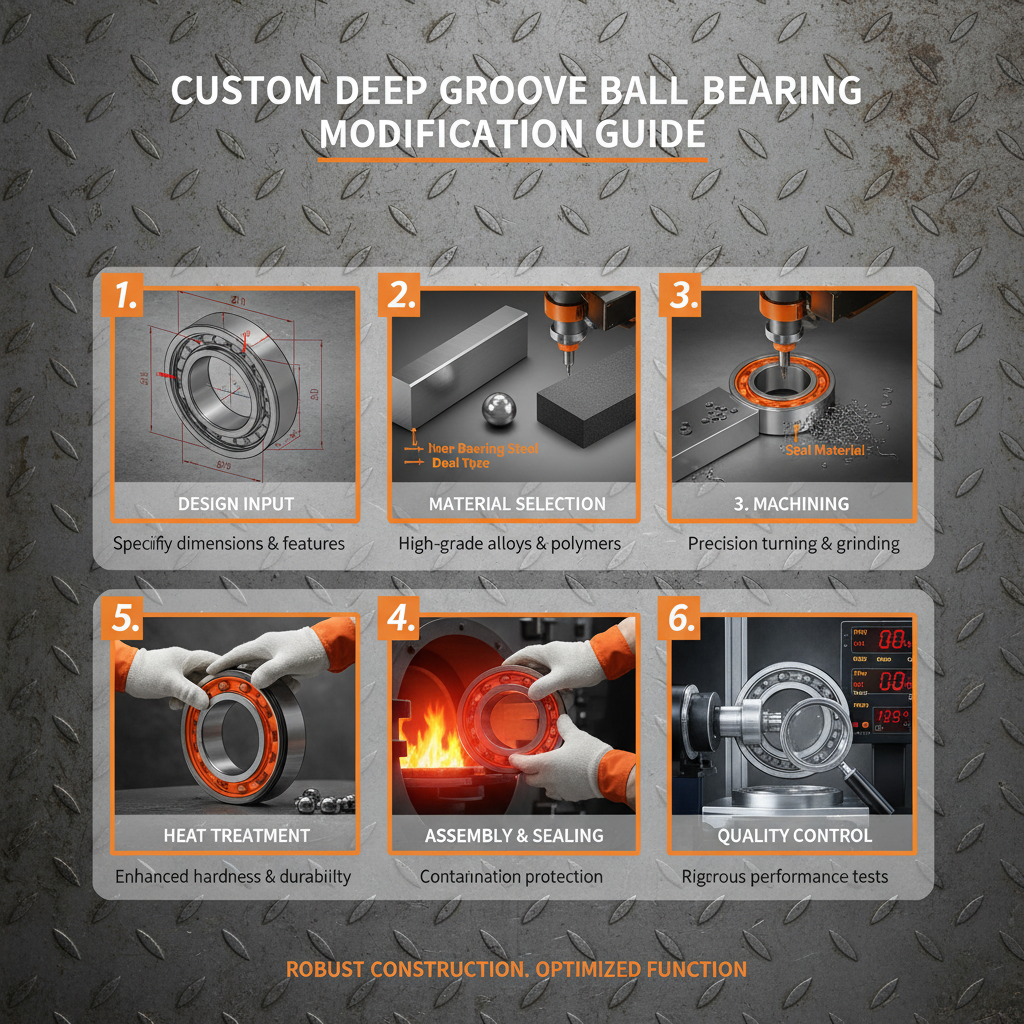
Custom ceramic Si₃N₄ is inherently brittle and difficult to machine using conventional methods. Techniques like Electrical Discharge Machining (EDM), diamond grinding, and laser cutting are typically employed to shape it. These methods allow for precise shaping while minimizing the risk of cracking or damage. Near-net-shape forming techniques are also increasingly used to reduce the amount of machining required.
The primary limitation is its brittleness and susceptibility to fracture under tensile stress. Current research focuses on enhancing toughness through microstructure design, incorporating reinforcing phases, and developing novel manufacturing processes. Reducing manufacturing costs and improving scalability are also key areas of investigation. Additive manufacturing offers promising solutions for creating complex geometries and reducing material waste.
Typically, the initial cost of custom ceramic Si₃N₄ is higher than that of titanium alloys. However, the overall lifecycle cost can be lower due to its superior wear resistance and longevity. Titanium alloys may offer a better strength-to-weight ratio in certain applications, but Si₃N₄ excels in environments where high temperature strength and chemical inertness are paramount. The specific cost comparison depends heavily on the component’s complexity and production volume.
Custom ceramic Si₃N₄ stands as a remarkable material, offering a compelling combination of properties that address critical challenges across diverse industries. Its exceptional hardness, high-temperature strength, chemical inertness, and low density make it a superior alternative to traditional materials in demanding applications. By embracing innovative manufacturing techniques and continued research, we can unlock the full potential of this advanced ceramic, driving advancements in aerospace, automotive, energy, and beyond.
Looking ahead, the future of custom ceramic Si₃N₄ is bright. Continued investment in research and development, combined with a focus on sustainability and cost-effectiveness, will accelerate its adoption and pave the way for new applications. To learn more about how custom ceramic Si₃N₄ can benefit your specific application, visit our website at www.btzbearing.com.

 Afrikaans
 Albanian
 Amharic
 Arabic
 Armenian
 Azerbaijani
 Basque
 Belarusian
 Bengali
 Bosnian
 Bulgarian
 Catalan
 Cebuano
 Corsican
 Croatian
 Czech
Czech
 Danish
 Dutch
Dutch
 Esperanto
 Estonian
 Finnish
 French
 Frisian
 Galician
 Georgian
 German
 Greek
Greek
 Gujarati
 Haitian Creole
 Hausa
Hausa
 Hawaiian
 Hebrew
 Hindi
Hindi
 Miao
Miao
 Hungarian
 Icelandic
 Igbo
Igbo
 Indonesian
 Irish
Irish
 Italian
 Japanese
 Javanese
 Kannada
 Kazakh
 Khmer
Khmer
 Rwandese
 Korean
 Kurdish
 Kyrgyz
 Lao
Lao
 Latin
Latin
 Latvian
 Lithuanian
 Luxembourgish
 Macedonian
 Malgashi
 Malay
Malay
 Malayalam
 Maltese
 Maori
Maori
 Marathi
 Mongolian
 Myanmar
 Nepali
 Norwegian
 Norwegian
 Occitan
 Pashto
 Persian
 Polish
 Portuguese
 Punjabi
 Romanian
 Russian
 Samoan
 Scottish Gaelic
 Serbian
 Sesotho
 Shona
Shona
 Sindhi
 Sinhala
 Slovak
 Slovenian
 Somali
 Spanish
 Sundanese
 Swahili
 Swedish
 Tagalog
 Tajik
Tajik
 Tamil
Tamil
 Tatar
Tatar
 Telugu
 Thai
Thai
 Turkish
 Turkmen
 Ukrainian
 Urdu
Urdu
 Uighur
 Uzbek
Uzbek
 Vietnamese
 Welsh
Welsh
 Bantu
Bantu
 Yiddish
 Yoruba
 Zulu
Zulu
 English