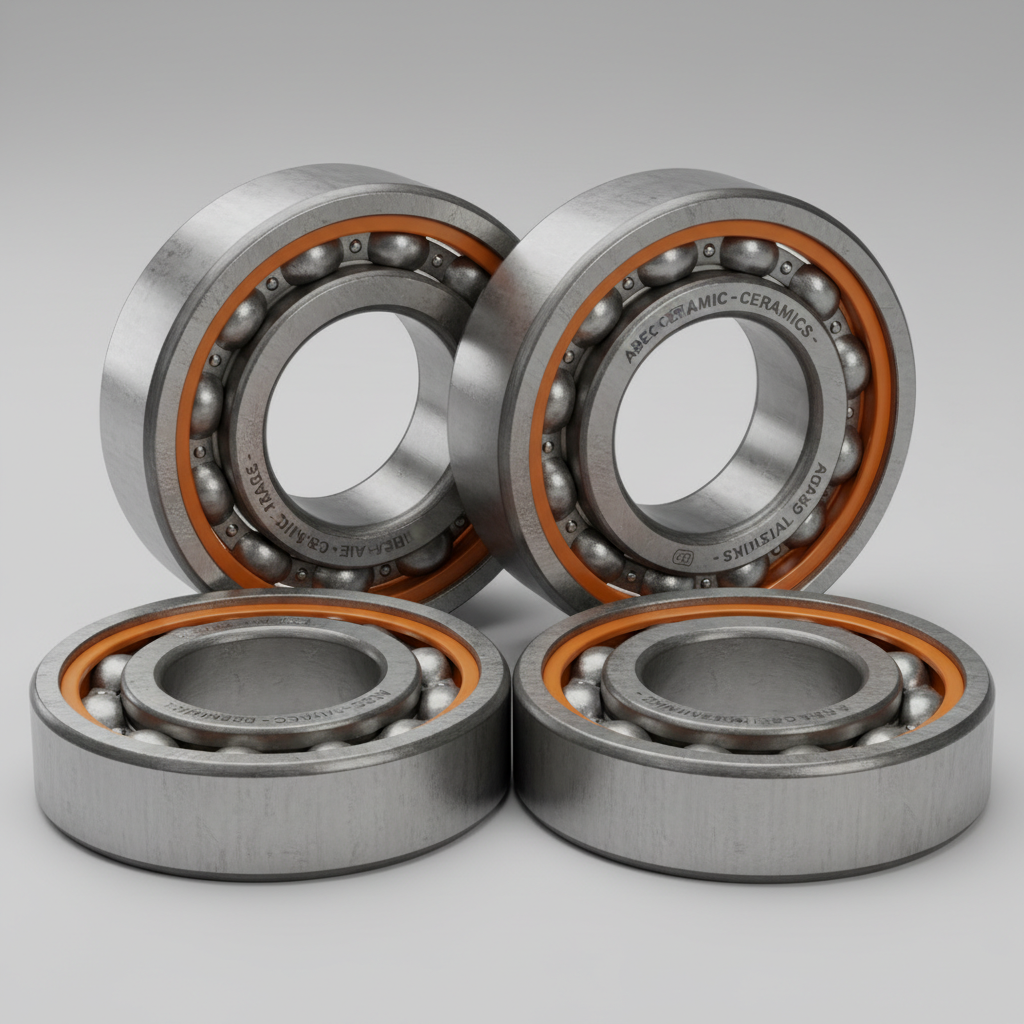
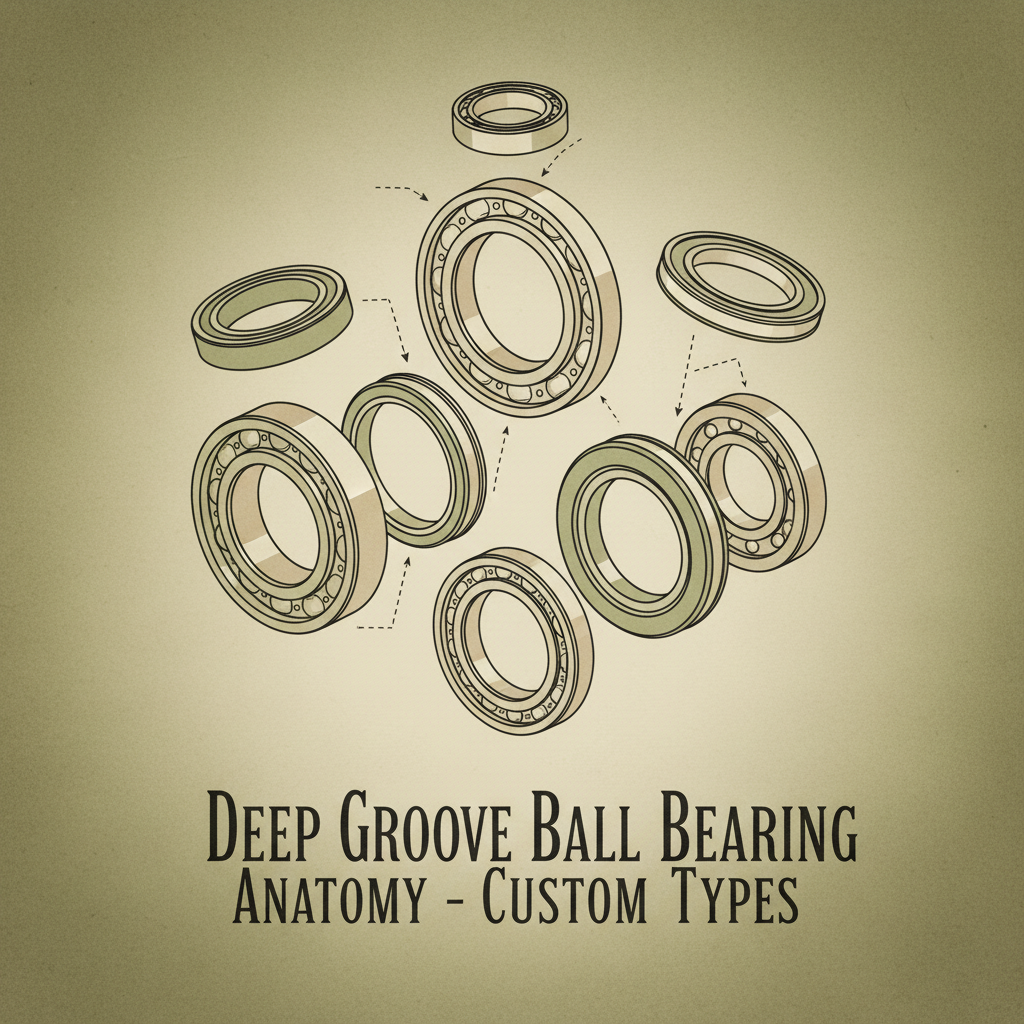
In the complex world of high-precision machinery, ensuring the correct fit and operational play of mechanical components is critical for longevity and efficiency. A custom spherical roller bearing clearance chart serves as an essential technical roadmap for engineers, allowing them to calibrate the internal space within a bearing to match specific thermal expansion and load requirements. By meticulously selecting the right clearance, industries can prevent premature failure caused by excessive friction or instability.
Across global manufacturing sectors, the move toward specialized machinery has increased the demand for precision-tuned components. Whether dealing with heavy-duty mining equipment or intricate agricultural machinery, the ability to reference a custom spherical roller bearing clearance chart ensures that the bearing can handle misalignment and radial loads without compromising the structural integrity of the shaft. This technical precision reduces unplanned downtime and optimizes the energy efficiency of the overall system.
For professionals seeking to maximize the lifecycle of their equipment, understanding the nuances of internal play is non-negotiable. Utilizing a custom spherical roller bearing clearance chart allows for the seamless integration of bearings into diverse environments, from cryogenic temperatures to extreme heat. This strategic approach to component selection transforms a standard replacement part into a precision-engineered solution for industrial stability.
Global Relevance of Bearing Clearance Calibration
The global industrial landscape relies heavily on the stability of rotating equipment. In accordance with ISO standards for rolling bearings, the internal clearance—the total distance the inner ring can be moved relative to the outer ring—is a critical variable. When this is not managed via a custom spherical roller bearing clearance chart, machines are prone to overheating and catastrophic seizure, especially in high-load environments like cement plants or steel mills.
From a macroeconomic perspective, the cost of industrial downtime is measured in billions of dollars annually. Precision calibration ensures that bearings can accommodate the thermal expansion that occurs during continuous operation. By implementing standardized yet customizable clearance protocols, manufacturers can ensure that their equipment remains operational in diverse climates, from the freezing tundra of mining sites to the humid tropics of agricultural zones.
Defining the Technical Scope of Clearance Charts
At its core, a custom spherical roller bearing clearance chart is a technical reference document that maps the relationship between bearing dimensions and the permissible internal play. This chart typically categorizes clearances into groups such as C2 (tight), CN (normal), C3 (loose), and C4 (looser), allowing engineers to select a bearing that will achieve the correct "operating clearance" once the machine reaches its working temperature.
The connection to modern industry is profound; as we move toward "Industry 4.0," the demand for components that can be precisely predicted in a digital twin model has grown. A clearance chart provides the empirical data necessary to simulate how a bearing will behave under varying loads and temperatures, ensuring that the physical installation matches the digital design specifications perfectly.
Beyond mere numbers, these charts address the humanitarian need for safe and reliable infrastructure. In sectors like water treatment or energy production, the failure of a single bearing due to incorrect clearance can lead to systemic outages. Therefore, these charts are not just technical aids but are essential safety documents that guarantee the reliability of critical public utility systems.
Key Factors in Custom Clearance Selection
One of the primary factors is thermal expansion. When a shaft heats up, it expands, which effectively reduces the internal clearance of the bearing. A professional using a custom spherical roller bearing clearance chart will often specify a C3 or C4 clearance to ensure that the bearing does not become too tight during high-temperature operation, which would otherwise lead to rapid wear.
Load capacity and rigidity also play a crucial role. While a loose clearance prevents overheating, it can introduce vibration and reduce the overall rigidity of the machine. By referencing a custom spherical roller bearing clearance chart, technicians can find the "sweet spot" where the bearing is loose enough to avoid friction but tight enough to maintain precise shaft alignment and minimize noise.
Finally, the installation environment and mounting tolerances must be considered. In some cases, the fit of the bearing on the shaft (interference fit) can consume a significant portion of the internal clearance. An accurate custom spherical roller bearing clearance chart helps engineers calculate the remaining radial clearance after mounting, ensuring the bearing functions as intended from the moment of startup.
Performance Metrics for Industrial Applications
Evaluating the efficiency of a bearing setup requires a quantitative look at how different clearance levels impact longevity. When we analyze performance, we look at the correlation between the chosen clearance and the resulting heat generation. A bearing with insufficient clearance will exhibit a steep rise in temperature, whereas one that is too loose may suffer from "skidding" of the rollers, leading to surface fatigue.
To visualize this, we can compare different clearance strategies across various industrial stressors. The goal is to achieve a balance where the bearing maintains its structural integrity over thousands of operational hours while resisting the effects of misalignment.
Efficiency Analysis via Custom Spherical Roller Bearing Clearance Chart
Global Use Cases in Heavy Industry
In the mining sector, particularly in remote regions of Australia and Chile, huge crushers and conveyor systems operate under extreme dust and load conditions. These machines rely on bearings calibrated via a custom spherical roller bearing clearance chart to accommodate the massive shafts that expand significantly under the heat of friction and ambient desert temperatures. Without this customization, the bearings would seize, halting production for entire mine sites.
Similarly, in the maritime industry, propulsion shafts for cargo ships face the dual challenge of saltwater corrosion and fluctuating temperatures. Using a specialized clearance chart allows engineers to specify bearings that maintain a thin but consistent lubricant film. This ensures that the vessel can navigate long distances without requiring mid-voyage bearing replacements, thereby increasing the safety and reliability of global trade routes.
Long-Term Value and Reliability Gains
The primary tangible benefit of utilizing a custom spherical roller bearing clearance chart is the significant extension of the Mean Time Between Failures (MTBF). By eliminating the "trial and error" approach to bearing installation, companies can reduce their maintenance costs by up to 30%. This logical approach to engineering ensures that every component is fit for purpose, reducing the waste of expensive replacement parts.
From an emotional and organizational perspective, this level of precision fosters a culture of trust and safety. When operators know that the machinery is engineered to the highest specifications, they can operate equipment with confidence. This reliability is the foundation of innovation; when the basic mechanical components are stable, engineers can focus on optimizing the rest of the system for higher output and better sustainability.
Moreover, the sustainability impact is considerable. Bearings that are correctly cleared operate with less friction, which directly translates to lower energy consumption. In a world striving for carbon neutrality, the incremental gains from optimized bearing clearances across millions of industrial motors contribute to a measurable reduction in global energy waste.
Future Innovations in Bearing Precision
The future of bearing technology is moving toward "intelligent" components. We are seeing the integration of embedded sensors that can monitor internal clearance in real-time. While the custom spherical roller bearing clearance chart remains the gold standard for initial setup, these sensors will allow for dynamic adjustments, alerting maintenance teams the moment the clearance deviates from the optimal range due to wear or overheating.
Material science is also evolving, with the introduction of advanced ceramics and hybrid coatings that change how thermal expansion is handled. These new materials may require entirely new clearance charts, as their coefficients of expansion differ from traditional chrome steel. The transition toward green energy, such as massive wind turbine bearings, is driving the need for even larger and more precise clearance calibrations to handle variable wind loads.
Ultimately, the digital transformation of the industry means that clearance charts will be integrated into AI-driven maintenance software. Instead of manually looking up values, an AI will analyze the machine's operating history and automatically suggest the optimal clearance for the next replacement bearing, ensuring a perfect fit every single time.
Comparative Analysis of Bearing Clearance Strategies
| Clearance Grade |
Primary Application |
Thermal Resistance |
Stability Score (1-10) |
| C2 (Tight) |
Precision Instruments |
Low |
9 |
| CN (Normal) |
General Machinery |
Medium |
8 |
| C3 (Loose) |
Electric Motors |
High |
7 |
| C4 (Extra Loose) |
Heavy Forging Presses |
Very High |
6 |
| Custom (Tailored) |
Specialized Turbines |
Optimized |
10 |
| Variable Clearance |
Adaptive Robotics |
Dynamic |
8 |
FAQS
The primary purpose is to provide engineers with precise data to select the correct internal play for a bearing. This ensures that when the machine reaches its operating temperature, the thermal expansion of the components does not lead to excessive friction or bearing seizure, thereby maximizing the component's lifespan.
You generally need C3 or C4 clearances if your equipment operates at high temperatures or has a high-interference fit on the shaft. If your current bearings are failing due to overheating or "tightening up" during operation, referencing a custom spherical roller bearing clearance chart to move to a looser grade is recommended.
Yes. Excessive clearance can lead to increased vibration, noise, and a lack of rigidity in the shaft. This can cause the rollers to "skid" rather than roll, leading to surface fatigue and premature wear. Balance is key, and using a professional clearance chart helps find the optimal value.
While the general grades (C2, CN, C3) are standardized, the actual micron values for clearance differ based on the bearing's bore size and series. You must use the specific custom spherical roller bearing clearance chart that corresponds to the exact series and size of the bearing you are installing.
When a bearing is pressed onto a shaft with an interference fit, the inner ring expands slightly. This expansion reduces the internal radial clearance. Engineers must account for this "clearance loss" by selecting a bearing with a higher initial clearance from the chart to maintain the desired operating play.
Reliable data is usually provided by the bearing manufacturer's technical catalog or through a specialized bearing engineer. For tailored solutions, it is best to contact a provider that offers custom engineering services and verified clearance charts based on ISO standards.
Conclusion
In summary, the application of a custom spherical roller bearing clearance chart is a cornerstone of industrial reliability. By bridging the gap between theoretical design and real-world operational stressors—such as thermal expansion and heavy radial loads—these charts allow for the optimization of machinery across diverse global industries. The transition from standard components to precision-calibrated solutions not only extends the life of the bearing but also enhances the overall safety and energy efficiency of the entire mechanical system.
Looking forward, the integration of real-time monitoring and advanced materials will further refine how we perceive and manage bearing clearance. For companies aiming to reduce downtime and lead the way in industrial innovation, investing in the precise calibration of their rotating components is an essential strategy. To ensure your machinery operates at peak performance with the correct technical specifications, visit our website: www.btzbearing.com.