Custom large ceramic bearings are revolutionizing industries demanding high performance, precision, and reliability. These advanced components, unlike their metallic counterparts, offer exceptional resistance to corrosion, wear, and extreme temperatures, making them indispensable in diverse applications ranging from aerospace and medical devices to high-speed machinery and scientific instrumentation. Understanding their capabilities is crucial for engineers and businesses seeking to optimize performance and longevity in challenging environments.
The global demand for custom large ceramic bearings is experiencing substantial growth, driven by the continuous pursuit of technological advancement and the increasing need for solutions in harsh operating conditions. Reports from market research firms indicate a projected CAGR of over 6% in the coming years, fueled by increasing investments in industries like renewable energy, semiconductor manufacturing, and advanced robotics. This growth underscores the importance of understanding the unique properties and applications of these specialized bearings.
Investing in custom large ceramic bearings isn’t just about upgrading components; it’s about future-proofing operations. By minimizing downtime, reducing maintenance costs, and enhancing overall system efficiency, these bearings offer a compelling return on investment. As industries continue to push the boundaries of performance, the demand for these high-tech solutions will only continue to escalate, making it a critical area of knowledge for professionals across multiple sectors.
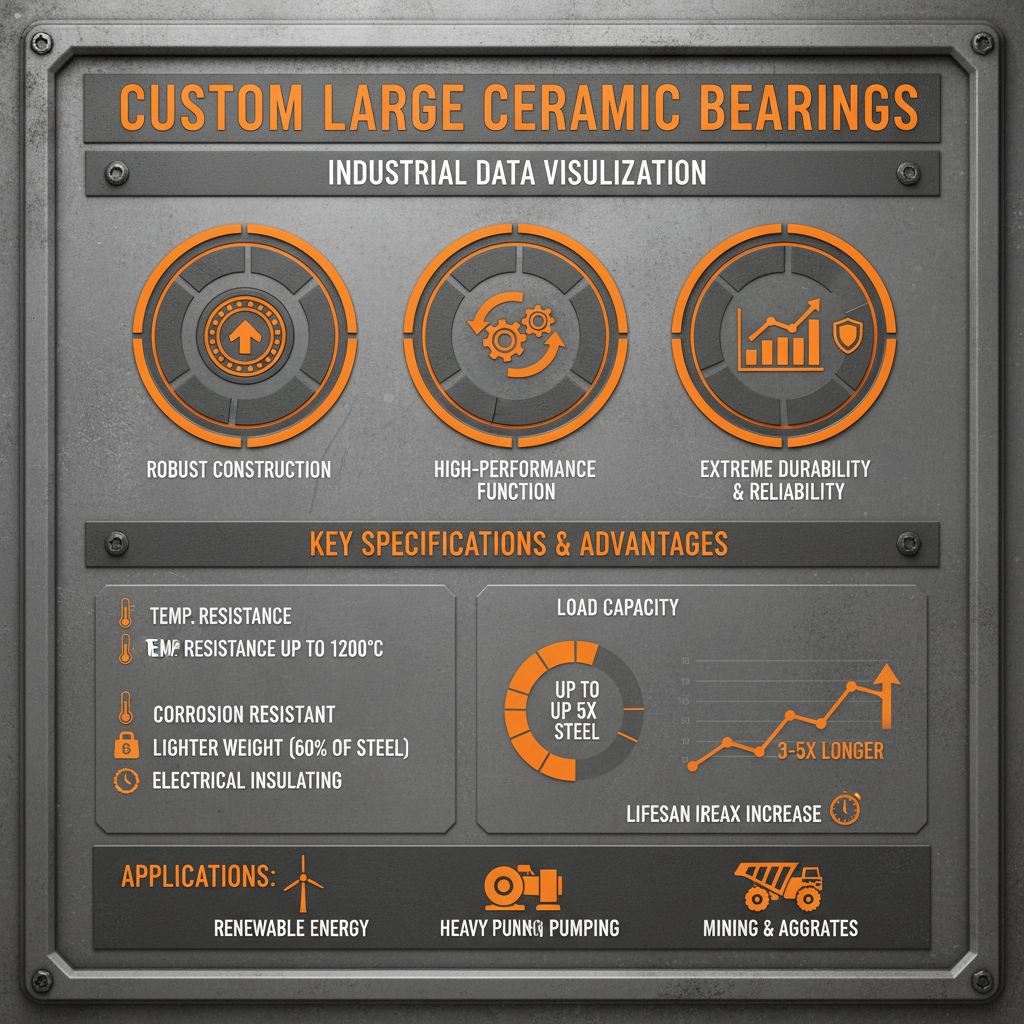
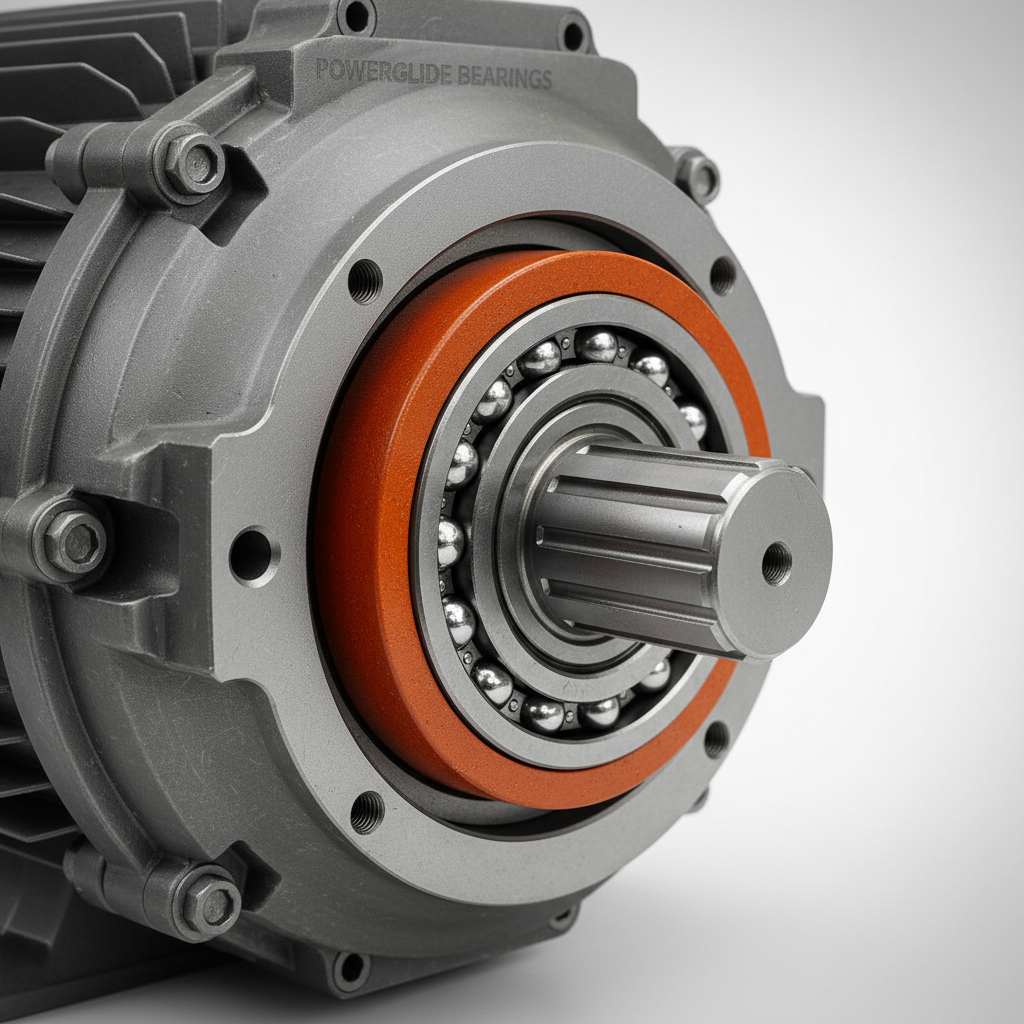
Custom large ceramic bearings represent a significant advancement in bearing technology, offering unparalleled performance in demanding applications. Unlike traditional steel bearings, these bearings utilize ceramic materials – such as silicon nitride, zirconium dioxide, and alumina – offering superior properties like low density, high hardness, and exceptional chemical resistance. This allows for higher rotational speeds, reduced friction, and increased longevity, especially in corrosive or high-temperature environments. custom large ceramic bearings are critical in specialized fields.
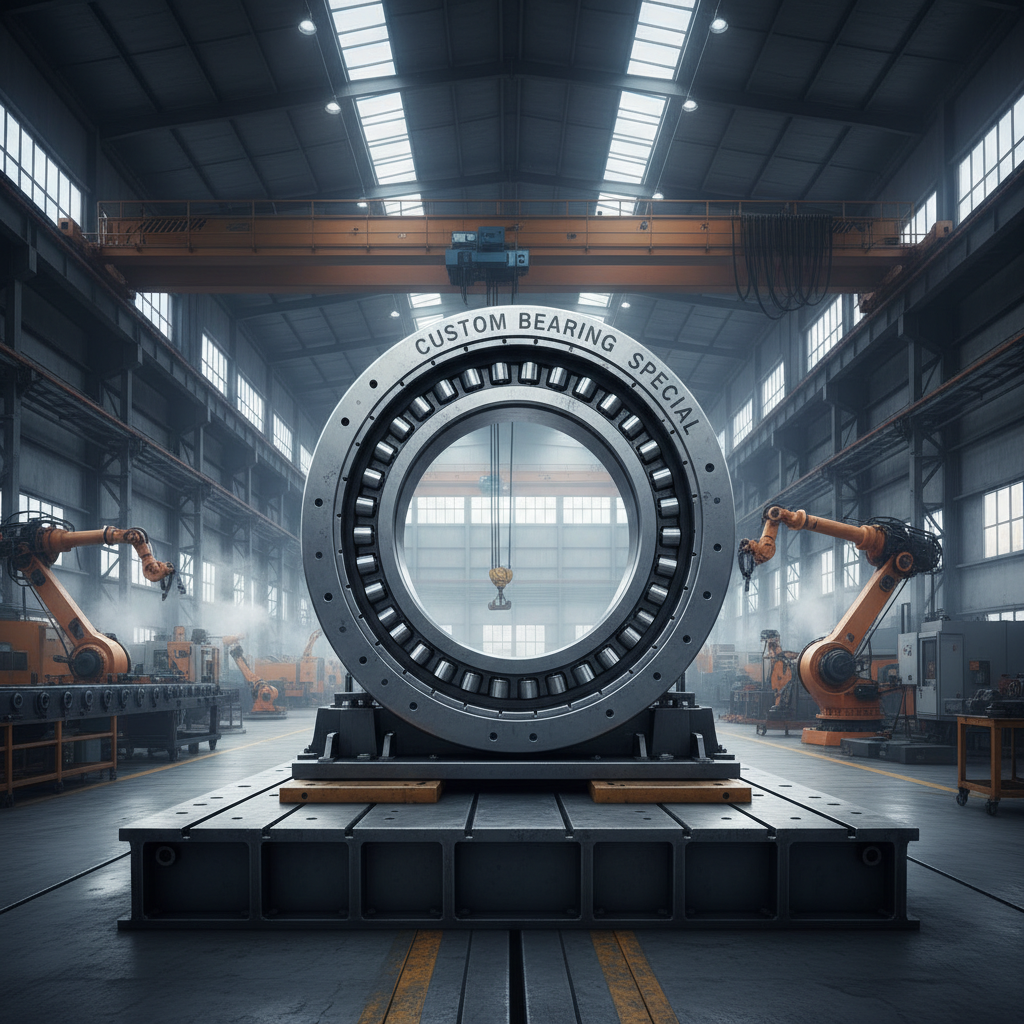
The development of custom large ceramic bearings is driven by the need for solutions where conventional materials fall short. Aerospace, medical technology, and precision manufacturing increasingly rely on these bearings to enhance equipment reliability and minimize downtime. Because of their customizable nature, they’re engineered to meet precise specifications, optimizing performance and enabling innovation in a variety of critical applications.
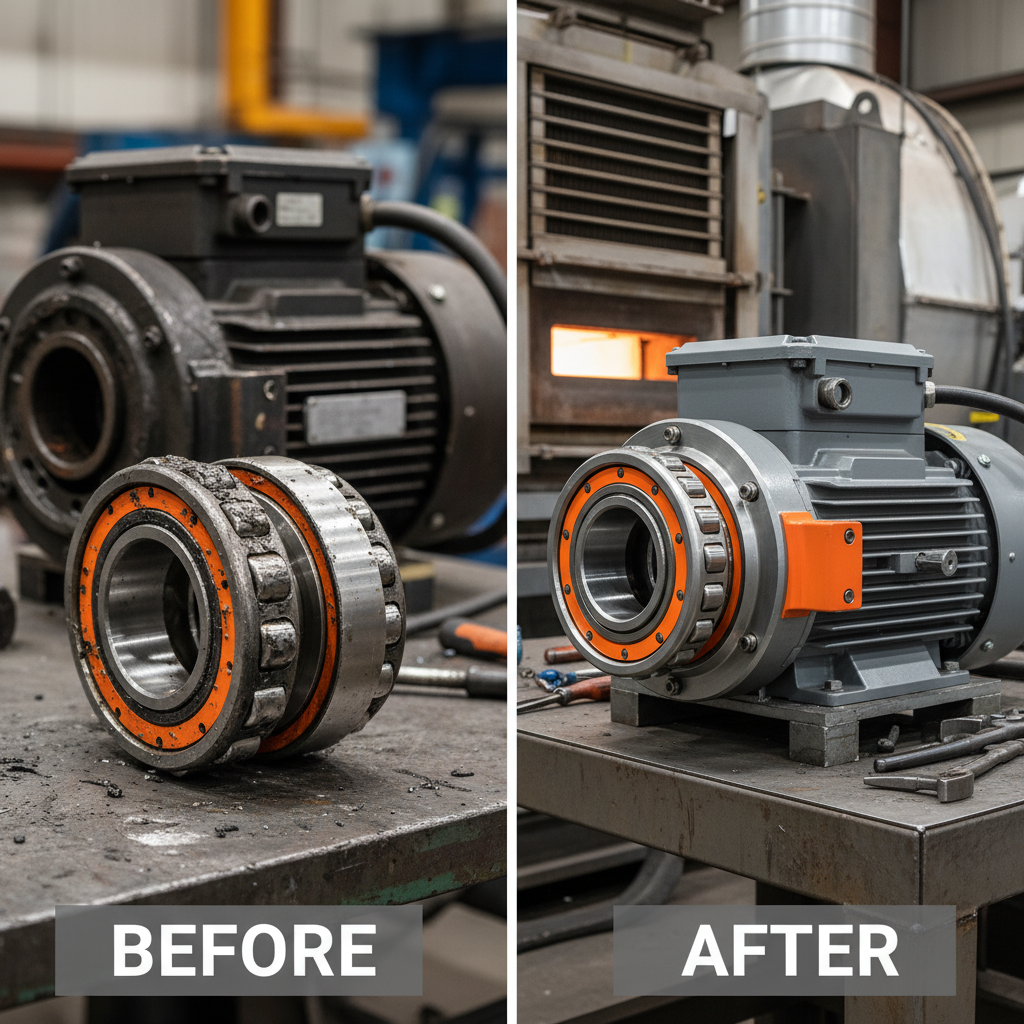
Custom large ceramic bearings offer several advantages over steel, including higher hardness, lower density, superior corrosion resistance, and the ability to withstand extreme temperatures. This results in longer service life, reduced friction, lower maintenance costs, and improved performance in challenging environments. They are particularly well-suited for high-speed applications and corrosive environments where steel bearings would rapidly degrade.
Aerospace, medical technology, semiconductor manufacturing, and renewable energy are leading adopters. Aerospace benefits from their low weight and high-temperature resistance; medical applications require their non-magnetic properties and sterilization compatibility; semiconductor relies on precision and minimal contamination; and renewable energy uses their durability in demanding conditions. These bearings enable innovation and enhanced performance in each sector.
The customization process begins with a detailed assessment of your application requirements, including load, speed, temperature, environment, and precision needs. Our engineers then design a bearing tailored to your specifications, selecting the appropriate ceramic material, geometry, and manufacturing process. We offer a range of customization options to optimize performance for your specific use case.
Lead times vary depending on the complexity of the design, the size of the bearing, and current production schedules. Typically, a custom order will take between 8-16 weeks from design confirmation to delivery. We provide regular updates throughout the production process to keep you informed.
Ceramic materials are inherently resistant to corrosion from acids, bases, and solvents, far exceeding the performance of steel. This makes custom large ceramic bearings ideal for applications involving harsh chemicals or saltwater exposure, ensuring long-term reliability and minimizing maintenance requirements.
While the initial cost of ceramic bearings is typically higher than steel, the long-term cost of ownership is often lower. Their increased lifespan, reduced maintenance requirements, and improved performance can significantly outweigh the upfront investment. Consider the total lifecycle cost and the value of minimized downtime when making your decision.
Custom large ceramic bearings represent a paradigm shift in bearing technology, offering superior performance, reliability, and longevity compared to traditional materials. Their unique properties make them indispensable in a wide range of demanding applications across industries like aerospace, medical technology, and renewable energy. By understanding the core principles and benefits of these advanced components, engineers and businesses can unlock new levels of efficiency and innovation.
Looking ahead, continued advancements in materials science and manufacturing techniques will further enhance the capabilities of custom large ceramic bearings. Embracing these innovations and investing in tailored solutions will be crucial for organizations seeking to maintain a competitive edge in the ever-evolving technological landscape. To explore how custom large ceramic bearings can optimize your operations, visit our website today.

 Afrikaans
 Albanian
 Amharic
 Arabic
 Armenian
 Azerbaijani
 Basque
 Belarusian
 Bengali
 Bosnian
 Bulgarian
 Catalan
 Cebuano
 Corsican
 Croatian
 Czech
Czech
 Danish
 Dutch
Dutch
 Esperanto
 Estonian
 Finnish
 French
 Frisian
 Galician
 Georgian
 German
 Greek
Greek
 Gujarati
 Haitian Creole
 Hausa
Hausa
 Hawaiian
 Hebrew
 Hindi
Hindi
 Miao
Miao
 Hungarian
 Icelandic
 Igbo
Igbo
 Indonesian
 Irish
Irish
 Italian
 Japanese
 Javanese
 Kannada
 Kazakh
 Khmer
Khmer
 Rwandese
 Korean
 Kurdish
 Kyrgyz
 Lao
Lao
 Latin
Latin
 Latvian
 Lithuanian
 Luxembourgish
 Macedonian
 Malgashi
 Malay
Malay
 Malayalam
 Maltese
 Maori
Maori
 Marathi
 Mongolian
 Myanmar
 Nepali
 Norwegian
 Norwegian
 Occitan
 Pashto
 Persian
 Polish
 Portuguese
 Punjabi
 Romanian
 Russian
 Samoan
 Scottish Gaelic
 Serbian
 Sesotho
 Shona
Shona
 Sindhi
 Sinhala
 Slovak
 Slovenian
 Somali
 Spanish
 Sundanese
 Swahili
 Swedish
 Tagalog
 Tajik
Tajik
 Tamil
Tamil
 Tatar
Tatar
 Telugu
 Thai
Thai
 Turkish
 Turkmen
 Ukrainian
 Urdu
Urdu
 Uighur
 Uzbek
Uzbek
 Vietnamese
 Welsh
Welsh
 Bantu
Bantu
 Yiddish
 Yoruba
 Zulu
Zulu
 English