Custom insulated bearings in motors are crucial components enhancing performance and reliability across a multitude of industries. Their specialized design addresses the challenges of electrical currents and heat generation within motor systems, preventing damage and ensuring longevity. This technology is particularly vital in high-performance applications where consistent operation is paramount, from electric vehicles and renewable energy generation to industrial automation and precision machinery. Understanding the intricacies of custom insulated bearing in motor design and application is essential for engineers and professionals seeking to optimize motor efficiency and minimize downtime.
The global demand for efficient and durable motors is consistently increasing, driven by factors like the push for energy conservation, the growth of electric vehicle adoption, and the expansion of automated manufacturing. Traditional bearings can suffer from electrical erosion and overheating, leading to premature failure. The specialized design of a custom insulated bearing in motor mitigates these issues, providing a more robust and reliable solution. According to reports from the International Organization for Standardization (ISO), the focus on reducing energy consumption in motors is a key global priority, increasing the need for advanced bearing technologies.
The development and implementation of custom insulated bearing in motor technology represent a significant advancement in motor engineering. It directly addresses issues related to motor failure, improves system efficiency, and contributes to a more sustainable and cost-effective operation of critical machinery across various sectors worldwide. This is a rapidly evolving field with continuous innovation focused on new materials and designs to further improve performance.
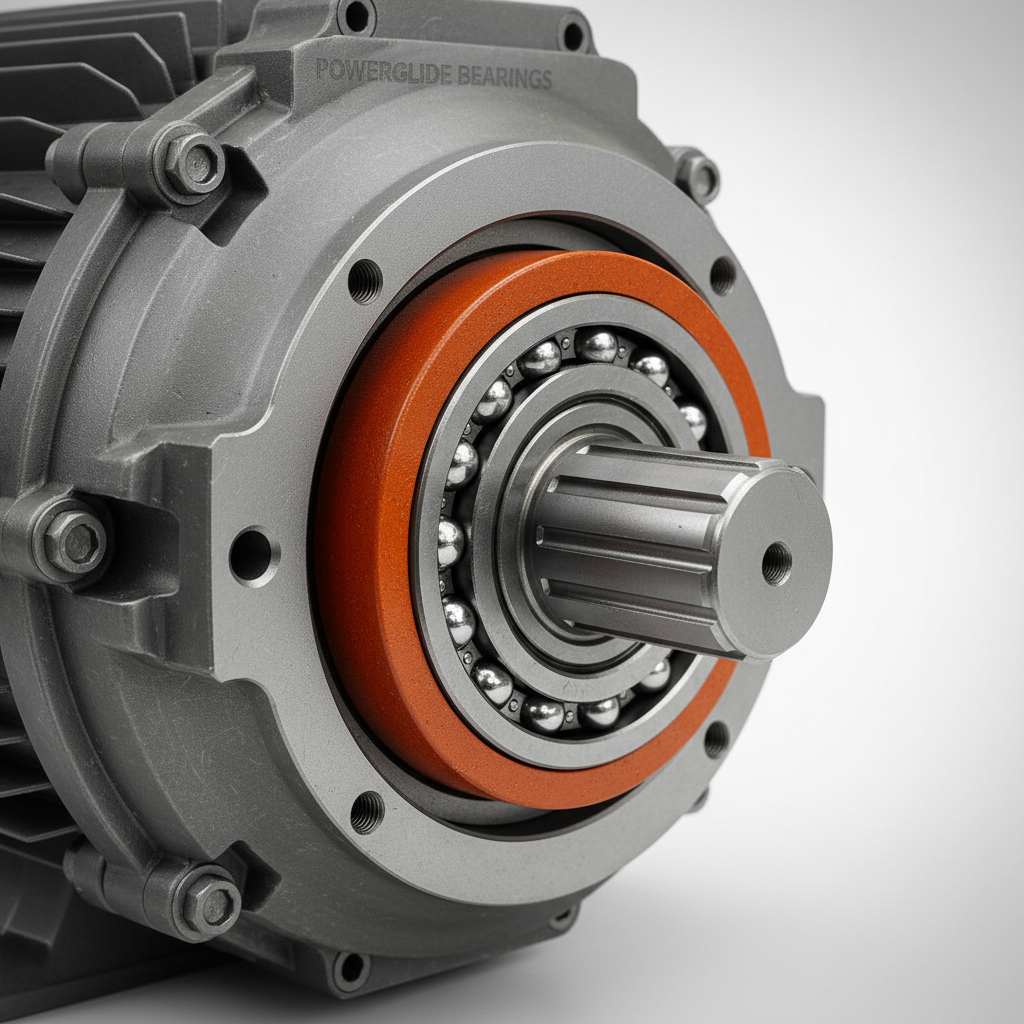
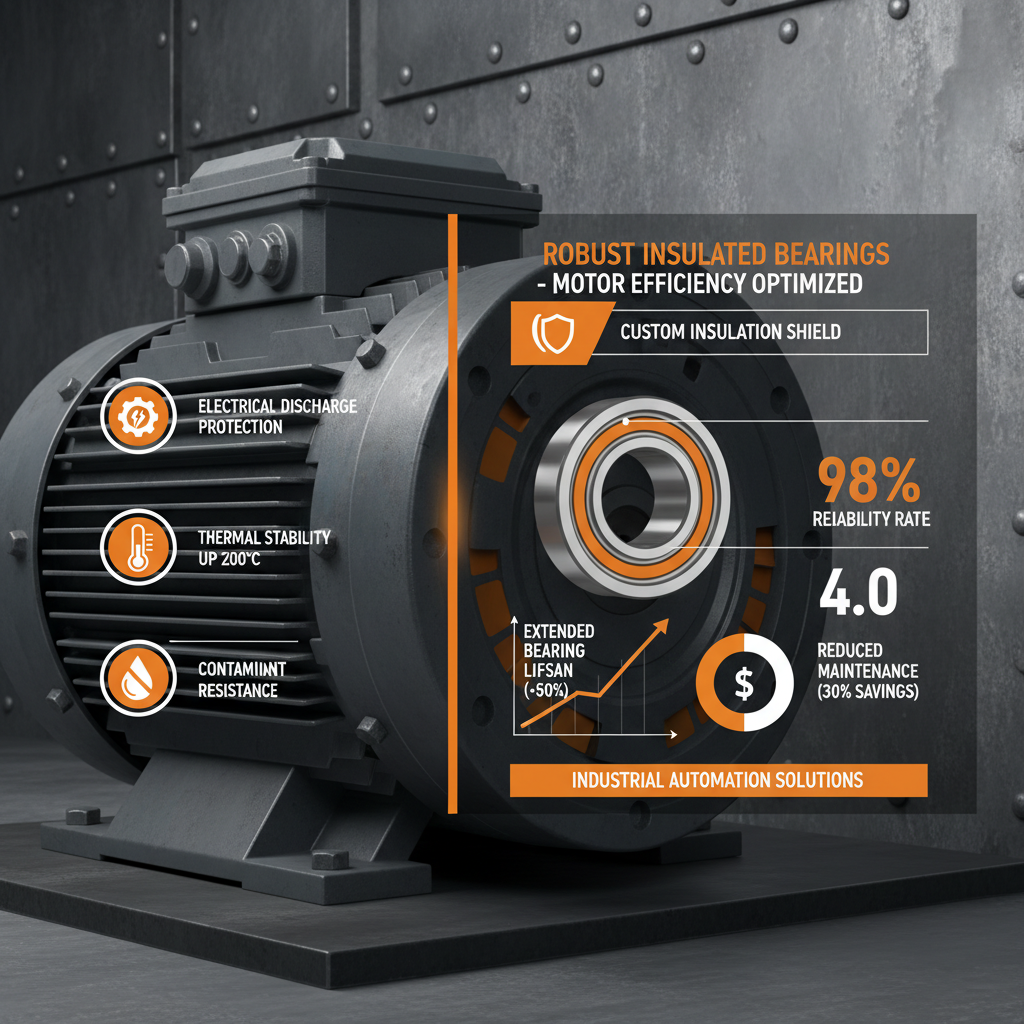
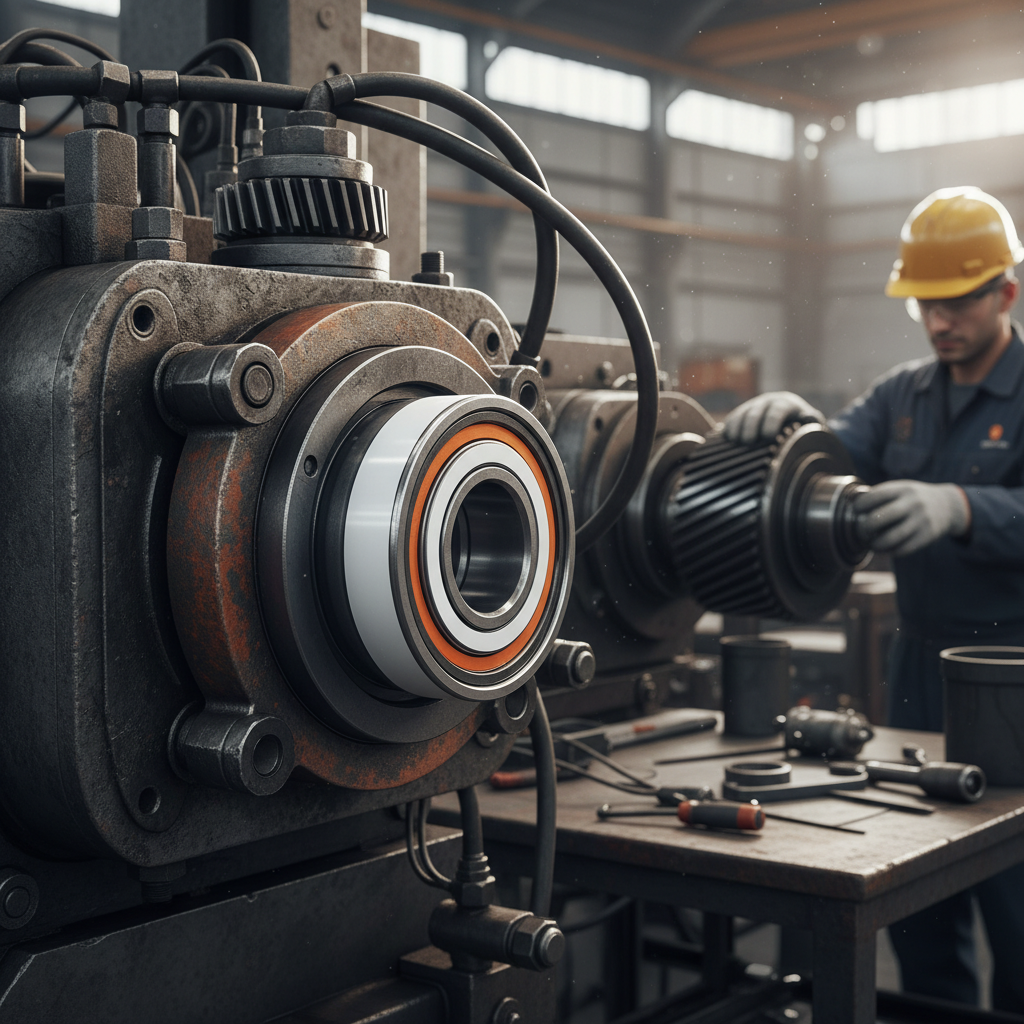
A custom insulated bearing in motor is engineered to specifically address the unique demands of motor environments. Unlike standard bearings, these are designed with materials and constructions that prevent the passage of electrical current through the bearing itself. This is crucial because stray currents can cause electrical discharge machining (EDM), leading to fluting, pitting, and ultimately, bearing failure. custom insulated bearing in motor are also designed to minimize heat transfer, which can degrade lubricant and affect bearing lifespan.
The increasing complexity of motor systems, coupled with demands for higher efficiency and reliability, has fueled the need for advanced bearing solutions like custom insulated bearings. These bearings are not a one-size-fits-all solution; they are carefully tailored to the specific application, taking into account factors like motor size, operating speed, load, and environmental conditions. The investment in a custom solution provides long-term cost savings and operational benefits.
A custom insulated bearing protects against damaging electrical currents that can cause fluting, pitting, and premature failure in standard bearings. This leads to increased reliability, reduced downtime, and extended motor lifespan. It also improves efficiency by minimizing electrical losses. The tailored approach ensures the bearing is optimized for the specific application, unlike a generic bearing.
Consider a custom insulated bearing if your motor experiences frequent failures, shows signs of EDM (fluting or pitting on bearing surfaces), operates in a variable frequency drive (VFD) environment, or is used in a high-precision or critical application where downtime is unacceptable. Electrical testing of the motor shaft can also help determine if stray currents are present.
Common materials include ceramic (aluminum oxide, silicon nitride) for insulation, polymers (epoxy resins, polyimide films) as coatings, and specialized steels for structural components. The specific material selection depends on the operating temperature, load, speed, and environmental conditions. Hybrid bearings combining ceramic rolling elements and steel rings are also frequently used.
Lifespan extension varies depending on the specific application and the severity of the electrical issue, but it is common to see a 2x to 10x increase in bearing life compared to standard bearings. This translates to significant cost savings through reduced maintenance and replacement frequency. Proper lubrication and monitoring also contribute to extended lifespan.
Yes, custom insulated bearings can be designed for high-speed applications. The design must carefully consider the centrifugal forces and thermal management requirements. The selection of appropriate materials and lubrication is critical for ensuring reliable operation at high speeds. Specialized cage designs may also be required.
Lead times vary depending on the complexity of the design and the availability of materials, but typically range from 4 to 12 weeks. Providing detailed specifications and application information upfront can help expedite the process. We work closely with our clients to ensure timely delivery of customized solutions.
In conclusion, custom insulated bearings in motors are a vital technology for enhancing reliability, efficiency, and longevity in a wide range of applications. By preventing electrical damage and mitigating the effects of harsh operating conditions, these bearings deliver substantial long-term value. The continued innovation in materials, design, and manufacturing processes promises even greater performance and cost-effectiveness in the future.
Investing in a custom insulated bearing is not merely a component upgrade; it's a strategic decision that safeguards critical assets, minimizes downtime, and contributes to sustainable operations. To explore how custom bearing solutions can benefit your specific application, and to ensure optimal motor performance, visit our website at https://www.btzbearing.com.

 Afrikaans
 Albanian
 Amharic
 Arabic
 Armenian
 Azerbaijani
 Basque
 Belarusian
 Bengali
 Bosnian
 Bulgarian
 Catalan
 Cebuano
 Corsican
 Croatian
 Czech
Czech
 Danish
 Dutch
Dutch
 Esperanto
 Estonian
 Finnish
 French
 Frisian
 Galician
 Georgian
 German
 Greek
Greek
 Gujarati
 Haitian Creole
 Hausa
Hausa
 Hawaiian
 Hebrew
 Hindi
Hindi
 Miao
Miao
 Hungarian
 Icelandic
 Igbo
Igbo
 Indonesian
 Irish
Irish
 Italian
 Japanese
 Javanese
 Kannada
 Kazakh
 Khmer
Khmer
 Rwandese
 Korean
 Kurdish
 Kyrgyz
 Lao
Lao
 Latin
Latin
 Latvian
 Lithuanian
 Luxembourgish
 Macedonian
 Malgashi
 Malay
Malay
 Malayalam
 Maltese
 Maori
Maori
 Marathi
 Mongolian
 Myanmar
 Nepali
 Norwegian
 Norwegian
 Occitan
 Pashto
 Persian
 Polish
 Portuguese
 Punjabi
 Romanian
 Russian
 Samoan
 Scottish Gaelic
 Serbian
 Sesotho
 Shona
Shona
 Sindhi
 Sinhala
 Slovak
 Slovenian
 Somali
 Spanish
 Sundanese
 Swahili
 Swedish
 Tagalog
 Tajik
Tajik
 Tamil
Tamil
 Tatar
Tatar
 Telugu
 Thai
Thai
 Turkish
 Turkmen
 Ukrainian
 Urdu
Urdu
 Uighur
 Uzbek
Uzbek
 Vietnamese
 Welsh
Welsh
 Bantu
Bantu
 Yiddish
 Yoruba
 Zulu
Zulu
 English