


Mar . 12, 2026 02:05 Back to list
Explore Wholesale Large Ceramic Bearings for Superior Industrial Performance
Wholesale Large Ceramic Bearings: A Comprehensive Guide
When sourcing bearings for industrial applications, large ceramic bearings stand out for their unique properties and benefits. This guide provides an in-depth look at wholesale large ceramic bearings, exploring their applications, advantages, materials, and factors to consider when making a purchase. We'll delve into why these bearings are increasingly preferred in demanding environments, offering superior performance and longevity. Choosing the right bearing supplier is crucial, and we'll discuss key aspects to ensure you get high-quality products at competitive prices.
Understanding Large Ceramic Bearings
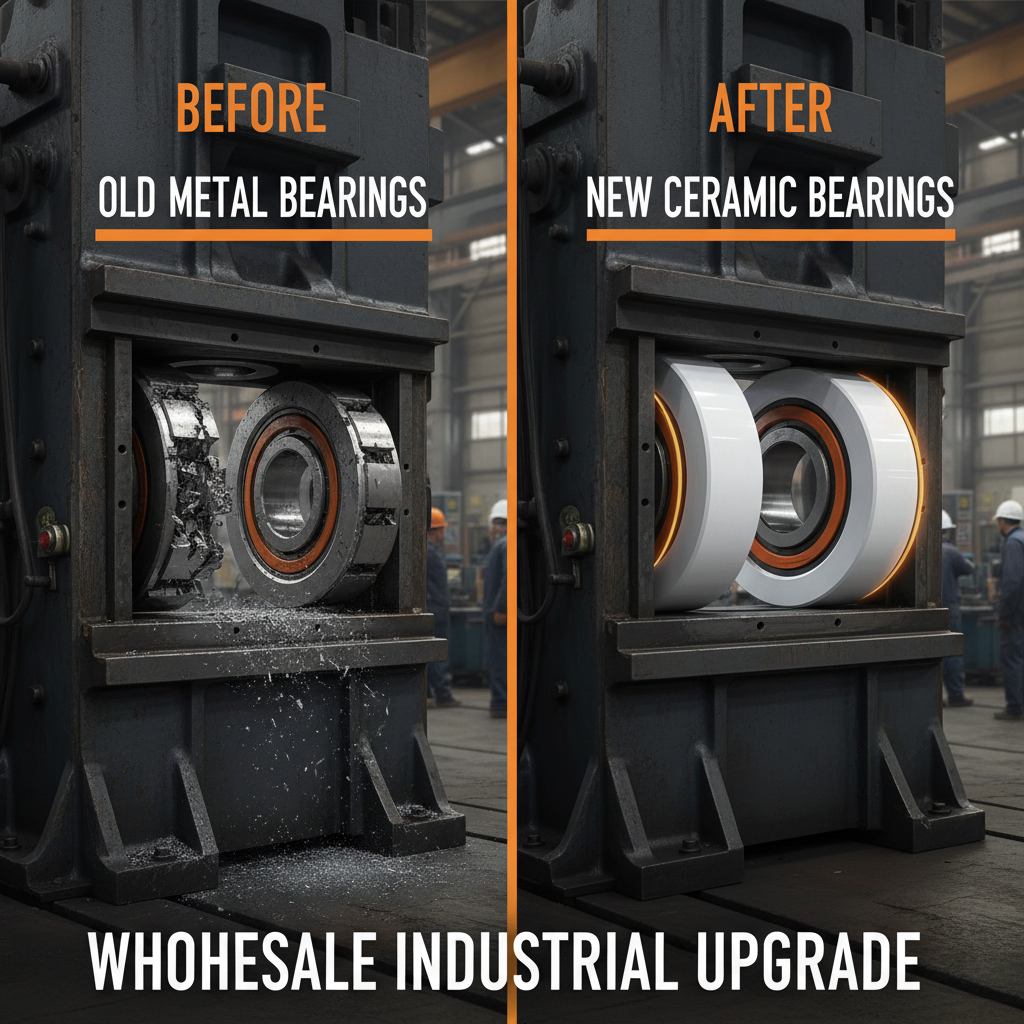
Large ceramic bearings, typically referring to bearings with a bore diameter exceeding industry standards, utilize ceramic materials like silicon nitride (Si3N4), zirconia (ZrO2), or aluminum oxide (Al2O3) for the rolling elements and sometimes the races. These materials offer significant advantages over traditional steel bearings, including higher hardness, lower density, superior corrosion resistance, and excellent high-temperature performance. They are ideal for applications where these characteristics are critical, such as high-speed machinery, corrosive environments, and extreme temperatures. BTZ Bearing specializes in supplying high-quality wholesale ceramic bearings to meet diverse industrial needs.
Key Benefits: Lower density translates to reduced centrifugal forces at high speeds. Higher hardness offers exceptional wear resistance. Superior corrosion resistance eliminates the need for lubrication in certain applications. Excellent high-temperature performance allows operation in harsh environments.
Applications of Wholesale Large Ceramic Bearings
The unique properties of large ceramic bearings make them essential in a wide range of industries. In aerospace, their lightweight and high-temperature resistance are invaluable in aircraft engines and control systems. Medical equipment utilizes ceramic bearings for their non-magnetic properties and biocompatibility. Chemical processing benefits from their exceptional corrosion resistance. High-speed spindles in machining centers rely on ceramic bearings to minimize friction and heat generation. Additionally, applications in robotics, pumps, and motors all leverage the advantages of these specialized bearings. BTZ Bearing offers tailored bearing solutions for these diverse industries.
Application Areas:
• Aerospace: Aircraft engines, control systems
• Medical: MRI scanners, surgical instruments
• Chemical Processing: Pumps, valves
• Industrial Machinery: High-speed spindles, robotics
Wholesale Large Ceramic Bearings vs. Steel Bearings: A Detailed Comparison
While steel bearings remain a cost-effective solution for many applications, large ceramic bearings offer distinct advantages in specific scenarios. Steel bearings are typically stronger and more affordable, but they are susceptible to corrosion, wear, and limitations at high temperatures and speeds. Ceramic bearings, on the other hand, excel in these challenging conditions. The following table highlights a detailed comparison:
Choosing the Right Ceramic Bearing Supplier: Key Considerations
Selecting a reliable supplier for wholesale large ceramic bearings is paramount to ensuring quality, consistency, and competitive pricing. Factors to consider include the supplier's experience, manufacturing capabilities, quality control processes, and commitment to customer service. Look for suppliers who offer a wide range of bearing types, customization options, and technical support. BTZ Bearing is a trusted partner for businesses seeking high-performance ceramic bearings and expert support.
Product Specifications and Materials
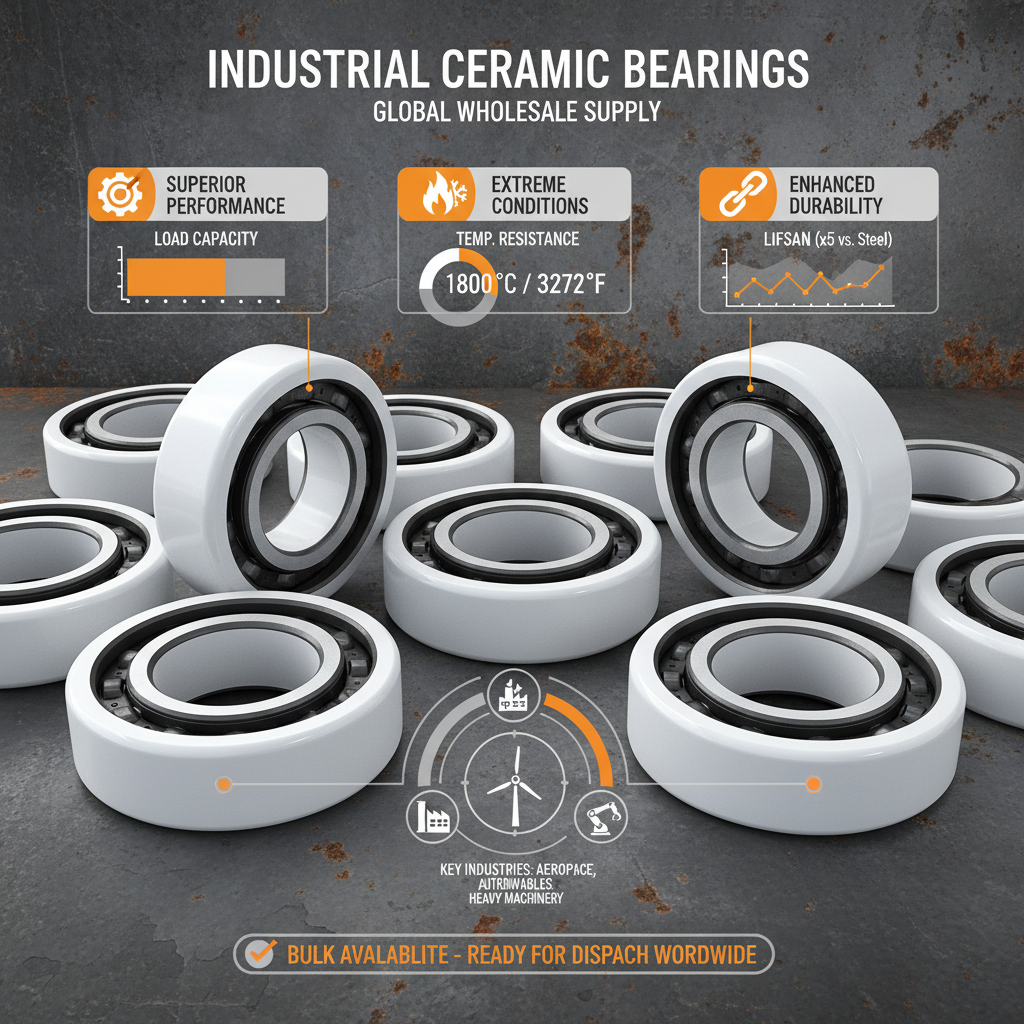
Understanding the specific materials and specifications is crucial when selecting ceramic bearings. Silicon Nitride (Si3N4) offers the highest strength and temperature resistance, while Zirconia (ZrO2) provides good toughness and corrosion resistance. Aluminum Oxide (Al2O3) is a cost-effective option for less demanding applications. Key specifications include bore diameter, outer diameter, width, and precision grade. Here's a typical specification overview:
Conclusion: Investing in Quality Ceramic Bearings
Investing in wholesale large ceramic bearings from a reputable supplier like BTZ Bearing is a strategic decision for businesses demanding high performance, reliability, and longevity. By carefully considering your application requirements, material specifications, and supplier capabilities, you can ensure optimal results and maximize your return on investment. Don’t compromise on quality – choose BTZ Bearing for superior ceramic bearing solutions.
Frequently Asked Questions (FAQs)
What are the main advantages of using ceramic bearings over steel bearings?
Ceramic bearings offer several advantages over steel bearings, particularly in demanding applications. These include lower density (reducing centrifugal forces), higher hardness (enhancing wear resistance), superior corrosion resistance (allowing operation in harsh environments), and excellent high-temperature performance. They also exhibit lower friction, leading to increased efficiency and reduced heat generation. While steel bearings are more cost-effective for general use, ceramic bearings provide significant benefits in specialized applications where performance and reliability are critical.
What applications are best suited for silicon nitride ceramic bearings?
Silicon nitride (Si3N4) ceramic bearings are ideal for applications requiring exceptionally high performance. This includes high-speed machinery, aerospace components, racing engines, and environments with extreme temperatures. Their superior hardness, strength, and thermal stability make them well-suited for challenging conditions where traditional steel bearings would fail. They are also commonly used in applications where weight reduction is important, such as robotics and drones.
What is the typical lead time for wholesale ceramic bearing orders?
Lead times for wholesale ceramic bearing orders vary depending on the quantity, customization requirements, and current production schedule. Typically, standard bearings in stock can be shipped within 3-5 business days. Customized bearings or large orders may require a longer lead time, ranging from 2 to 6 weeks. BTZ Bearing provides accurate lead time estimates during the quotation process.
Are ceramic bearings compatible with all types of lubricants?
While ceramic bearings generally require less lubrication than steel bearings, lubrication is still often recommended, especially in high-speed or heavy-load applications. However, not all lubricants are compatible. Avoid lubricants containing molybdenum disulfide (MoS2), as it can react with the ceramic material. Synthetic lubricants, greases specifically designed for ceramic bearings, and oil with anti-wear additives are generally suitable. Always consult the bearing manufacturer's recommendations for lubricant compatibility.
Latest news
-
Wholesale Deep Groove Ball Bearing Used For Industrial Machinery
NewsApr.16,2026
-
Guide to Technical Specifications and Wholesale Deep Groove Ball Bearing PDF
NewsApr.09,2026
-
Comprehensive Wholesale Spherical Roller Bearing Catalogue from BTZ Bearing
NewsApr.07,2026
-
Discover Competitive Wholesale Motor Bearing Price and Sourcing Solutions
NewsApr.04,2026
-
Comprehensive Guide to Wholesale High Angle Spherical Bearing Solutions
NewsMar.31,2026
-
Comprehensive Guide to Wholesale 90x160x40 Bearing Sourcing and Applications
NewsMar.28,2026
 Afrikaans
 Albanian
 Amharic
 Arabic
 Armenian
 Azerbaijani
 Basque
 Belarusian
 Bengali
 Bosnian
 Bulgarian
 Catalan
 Cebuano
 Corsican
 Croatian
 Czech
Czech
 Danish
 Dutch
Dutch
 Esperanto
 Estonian
 Finnish
 French
 Frisian
 Galician
 Georgian
 German
 Greek
Greek
 Gujarati
 Haitian Creole
 Hausa
Hausa
 Hawaiian
 Hebrew
 Hindi
Hindi
 Miao
Miao
 Hungarian
 Icelandic
 Igbo
Igbo
 Indonesian
 Irish
Irish
 Italian
 Japanese
 Javanese
 Kannada
 Kazakh
 Khmer
Khmer
 Rwandese
 Korean
 Kurdish
 Kyrgyz
 Lao
Lao
 Latin
Latin
 Latvian
 Lithuanian
 Luxembourgish
 Macedonian
 Malgashi
 Malay
Malay
 Malayalam
 Maltese
 Maori
Maori
 Marathi
 Mongolian
 Myanmar
 Nepali
 Norwegian
 Norwegian
 Occitan
 Pashto
 Persian
 Polish
 Portuguese
 Punjabi
 Romanian
 Russian
 Samoan
 Scottish Gaelic
 Serbian
 Sesotho
 Shona
Shona
 Sindhi
 Sinhala
 Slovak
 Slovenian
 Somali
 Spanish
 Sundanese
 Swahili
 Swedish
 Tagalog
 Tajik
Tajik
 Tamil
Tamil
 Tatar
Tatar
 Telugu
 Thai
Thai
 Turkish
 Turkmen
 Ukrainian
 Urdu
Urdu
 Uighur
 Uzbek
Uzbek
 Vietnamese
 Welsh
Welsh
 Bantu
Bantu
 Yiddish
 Yoruba
 Zulu
Zulu
 English