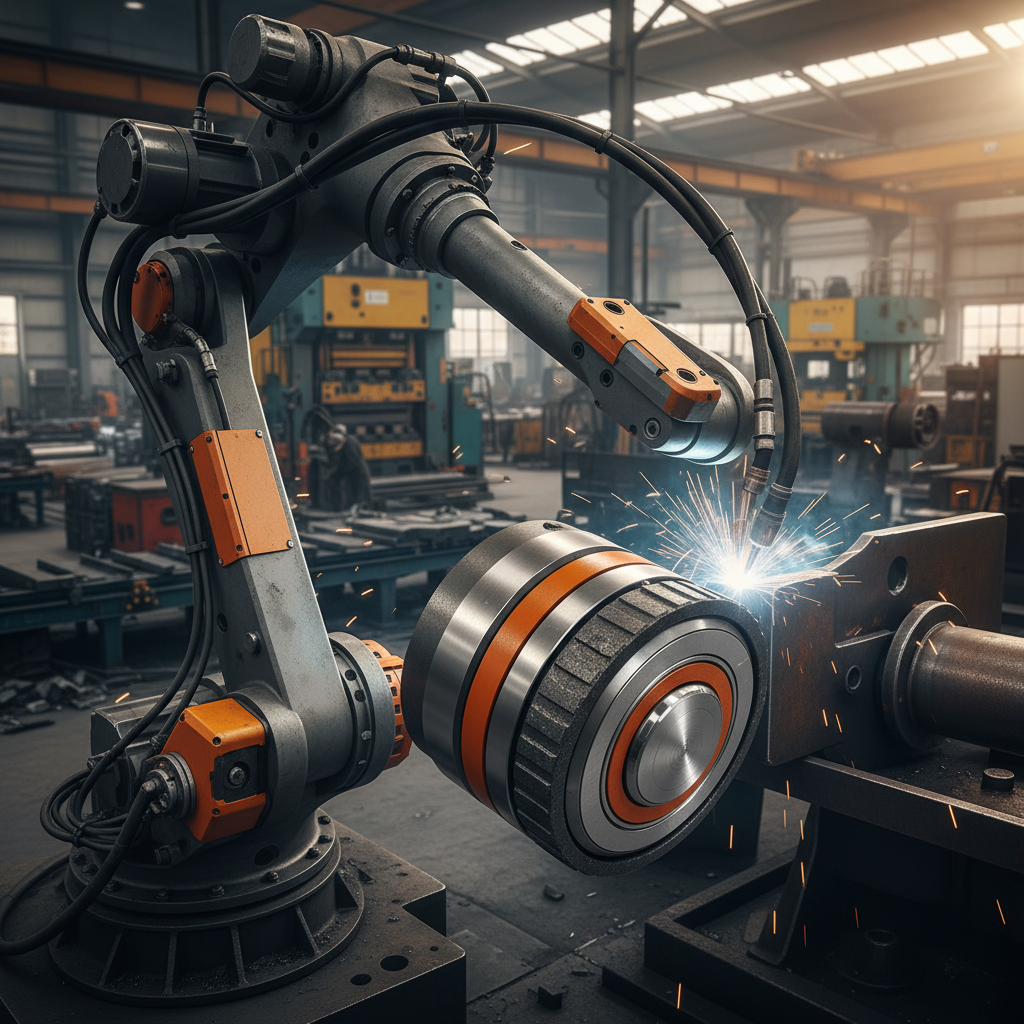
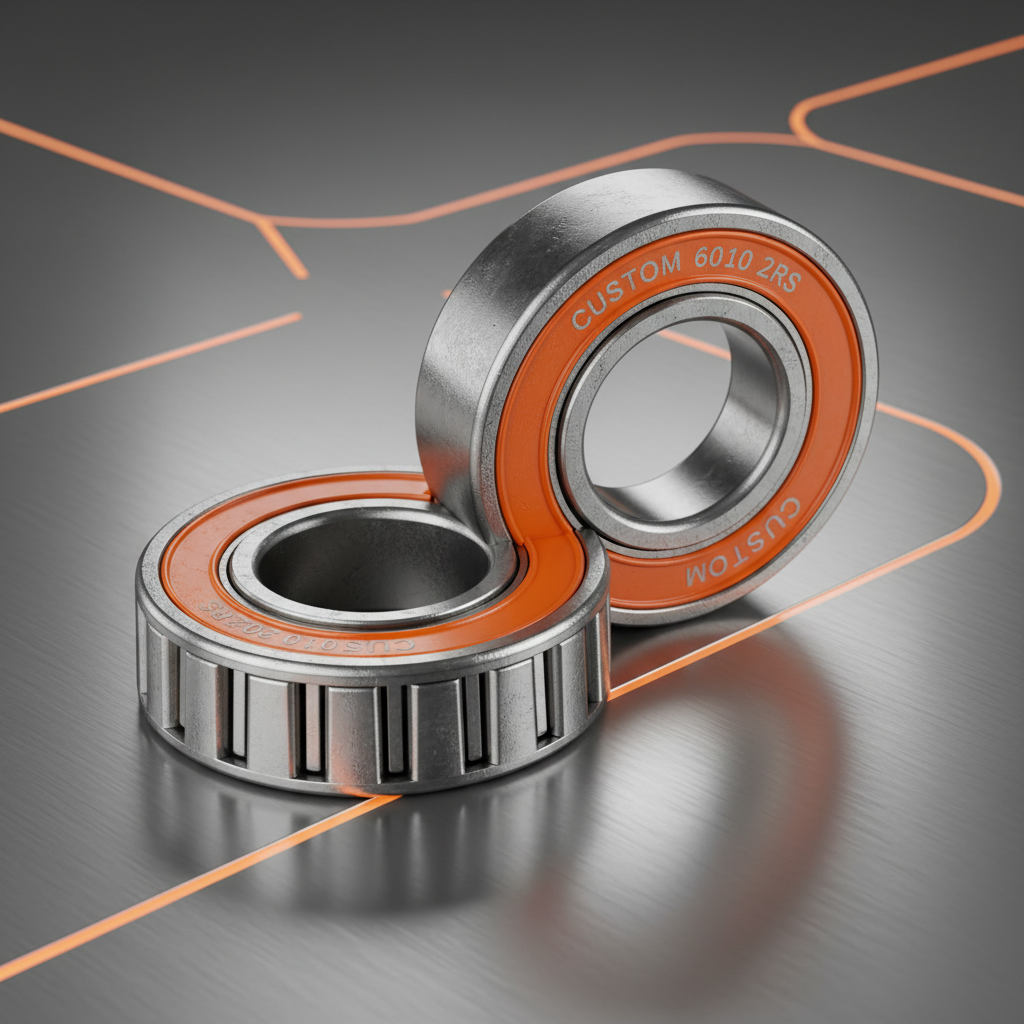
Custom abec ceramic bearings represent a significant advancement in bearing technology, offering unparalleled performance and reliability across a diverse range of applications. These bearings, crafted from high-performance ceramic materials like silicon nitride, zirconium dioxide, and aluminum oxide, address limitations inherent in traditional steel bearings. Their unique properties make them crucial in demanding environments where precision, speed, and longevity are paramount. Understanding the benefits of custom abec ceramic bearings is essential for engineers, manufacturers, and anyone seeking to optimize performance and reduce maintenance costs in their respective industries.
The global market for advanced bearing solutions, including custom abec ceramic bearings, is experiencing substantial growth driven by the increasing demand for high-precision machinery in sectors like aerospace, medical devices, and robotics. According to recent industry reports, the market is projected to reach [Insert Statistic - e.g., $XX Billion] by [Year] with a compound annual growth rate (CAGR) of [Insert Percentage - e.g., 7.5%]. This growth is fueled by the need for materials that can withstand extreme temperatures, corrosive environments, and high speeds, often exceeding the capabilities of conventional steel bearings.
A critical challenge addressed by custom abec ceramic bearings is the demand for reduced friction and wear. Traditional steel bearings can experience significant energy loss due to friction, leading to inefficiencies and premature failure. Ceramic bearings, with their inherent smoothness and low coefficient of friction, minimize these losses, enhancing overall system efficiency and extending service life. This directly translates to reduced operational costs and improved sustainability across various applications.
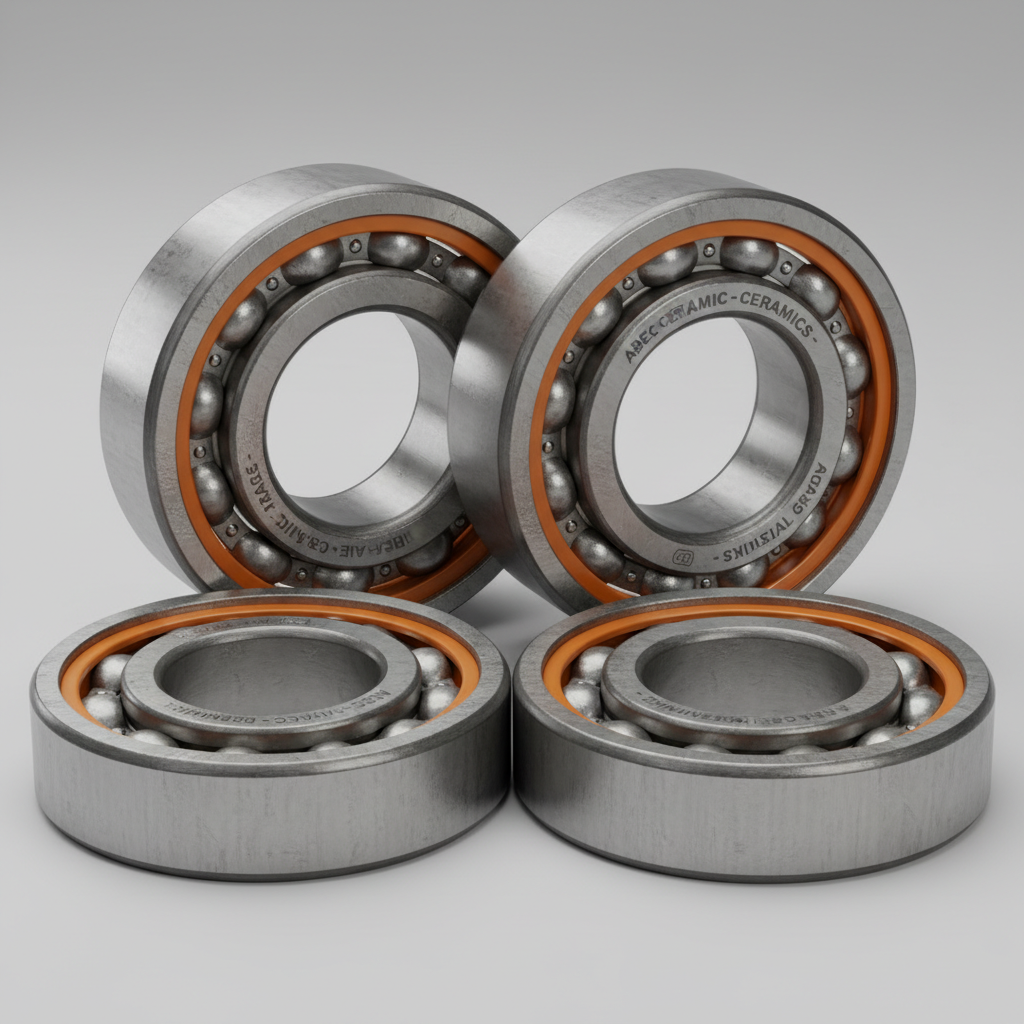
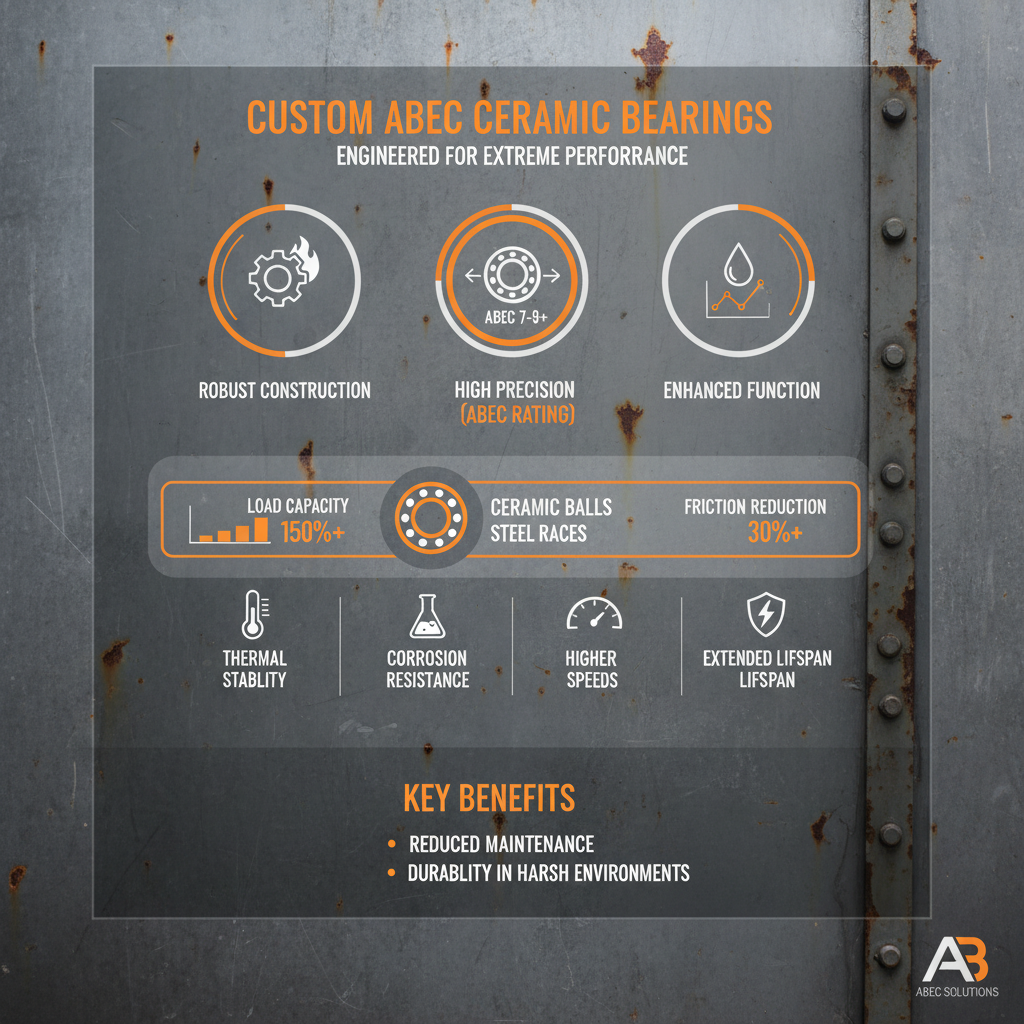
Custom abec ceramic bearings are engineered solutions designed to meet specific performance requirements beyond the capabilities of standard bearings. Unlike mass-produced bearings, these are manufactured to exacting tolerances and often utilize specialized ceramic materials chosen for their unique properties. The “ABEC” rating, which stands for Annular Bearing Engineers' Committee, indicates the precision of the bearing, with higher numbers representing tighter tolerances and smoother operation.
The versatility of custom abec ceramic bearings extends to various industries, including aerospace, where they mitigate the effects of extreme temperatures and high speeds; medical devices, requiring biocompatible and corrosion-resistant materials; and high-performance racing, demanding minimal friction and exceptional durability. This customization allows engineers to optimize bearing performance for specific applications, resulting in increased efficiency, reliability, and lifespan.
In high-speed applications, ceramic bearings outperform steel due to their lower density and reduced friction. Lower density means less centrifugal force, allowing for higher rotational speeds without deformation or premature wear. The lower friction minimizes heat generation, a critical factor at high speeds, leading to increased bearing life and improved efficiency. While steel bearings can be hardened, they still generate more heat and are susceptible to deformation at very high RPMs.
While technically possible in some cases, it’s not always a direct swap. Considerations include the bearing’s load capacity, dimensional tolerances, and lubrication requirements. Ceramic bearings often have different stiffness characteristics and may require adjustments to the housing and shaft. A thorough engineering assessment is recommended to ensure compatibility and optimal performance. Often, customization is necessary for a perfect fit.
Custom ABEC ceramic bearings generally have a significantly longer lifespan than steel bearings, particularly in demanding applications. The lifespan can be 3 to 10 times longer, depending on the operating conditions and the specific ceramic material used. This is due to their superior hardness, corrosion resistance, and lower friction. However, ceramic is more brittle, so shock loads must be carefully considered.
Ceramic bearings exhibit excellent performance at high temperatures, maintaining their hardness and dimensional stability much better than steel. They can typically operate at temperatures up to several hundred degrees Celsius without significant degradation. However, extreme temperature fluctuations can cause thermal stress and potential cracking, so proper thermal management is important. The specific temperature limit depends on the ceramic material.
Yes, ceramic bearings are electrically insulating, making them ideal for applications where electrical currents are present. This prevents electrical arcing and corrosion, which can damage steel bearings. This is particularly beneficial in electric motors, generators, and other electrical equipment. This characteristic also makes them suitable for MRI machines and other sensitive medical devices.
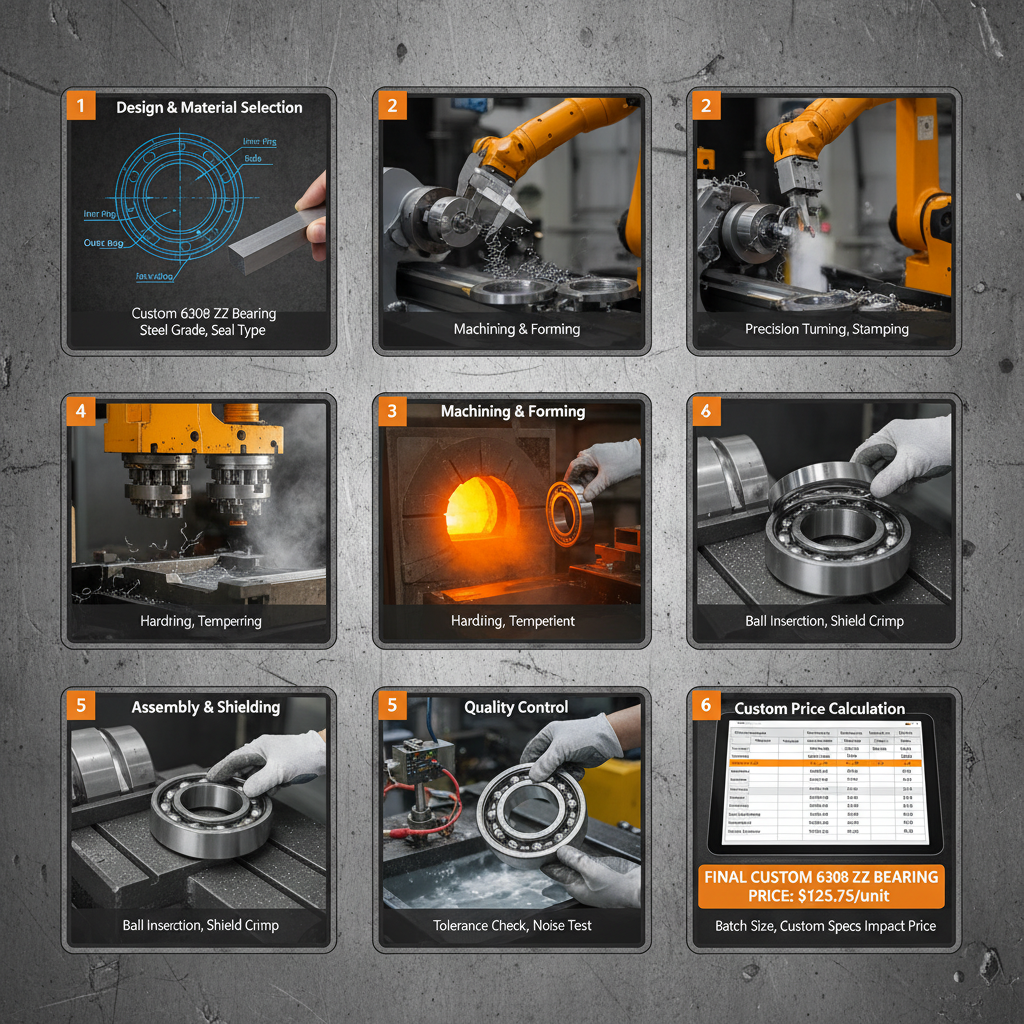
Custom ABEC ceramic bearings are generally more expensive than standard steel bearings due to the cost of ceramic materials and the specialized manufacturing processes involved. However, the longer lifespan, reduced maintenance requirements, and improved performance can often offset the initial cost difference over the long term. The overall value proposition should be evaluated based on the specific application and operating conditions.
Custom abec ceramic bearings represent a significant advancement in bearing technology, offering a compelling combination of performance, reliability, and durability. Their unique properties, including high hardness, low density, and exceptional corrosion resistance, make them ideal for demanding applications across diverse industries. Investing in these advanced bearings translates to reduced maintenance costs, improved efficiency, and enhanced operational safety.
Looking ahead, the development of new ceramic materials, coupled with advancements in additive manufacturing and smart sensing technologies, promises to further expand the capabilities and applications of custom abec ceramic bearings. We encourage you to explore how these innovative solutions can optimize your systems and unlock new levels of performance. For customized bearing solutions tailored to your specific needs, visit our website today.

 Afrikaans
 Albanian
 Amharic
 Arabic
 Armenian
 Azerbaijani
 Basque
 Belarusian
 Bengali
 Bosnian
 Bulgarian
 Catalan
 Cebuano
 Corsican
 Croatian
 Czech
Czech
 Danish
 Dutch
Dutch
 Esperanto
 Estonian
 Finnish
 French
 Frisian
 Galician
 Georgian
 German
 Greek
Greek
 Gujarati
 Haitian Creole
 Hausa
Hausa
 Hawaiian
 Hebrew
 Hindi
Hindi
 Miao
Miao
 Hungarian
 Icelandic
 Igbo
Igbo
 Indonesian
 Irish
Irish
 Italian
 Japanese
 Javanese
 Kannada
 Kazakh
 Khmer
Khmer
 Rwandese
 Korean
 Kurdish
 Kyrgyz
 Lao
Lao
 Latin
Latin
 Latvian
 Lithuanian
 Luxembourgish
 Macedonian
 Malgashi
 Malay
Malay
 Malayalam
 Maltese
 Maori
Maori
 Marathi
 Mongolian
 Myanmar
 Nepali
 Norwegian
 Norwegian
 Occitan
 Pashto
 Persian
 Polish
 Portuguese
 Punjabi
 Romanian
 Russian
 Samoan
 Scottish Gaelic
 Serbian
 Sesotho
 Shona
Shona
 Sindhi
 Sinhala
 Slovak
 Slovenian
 Somali
 Spanish
 Sundanese
 Swahili
 Swedish
 Tagalog
 Tajik
Tajik
 Tamil
Tamil
 Tatar
Tatar
 Telugu
 Thai
Thai
 Turkish
 Turkmen
 Ukrainian
 Urdu
Urdu
 Uighur
 Uzbek
Uzbek
 Vietnamese
 Welsh
Welsh
 Bantu
Bantu
 Yiddish
 Yoruba
 Zulu
Zulu
 English