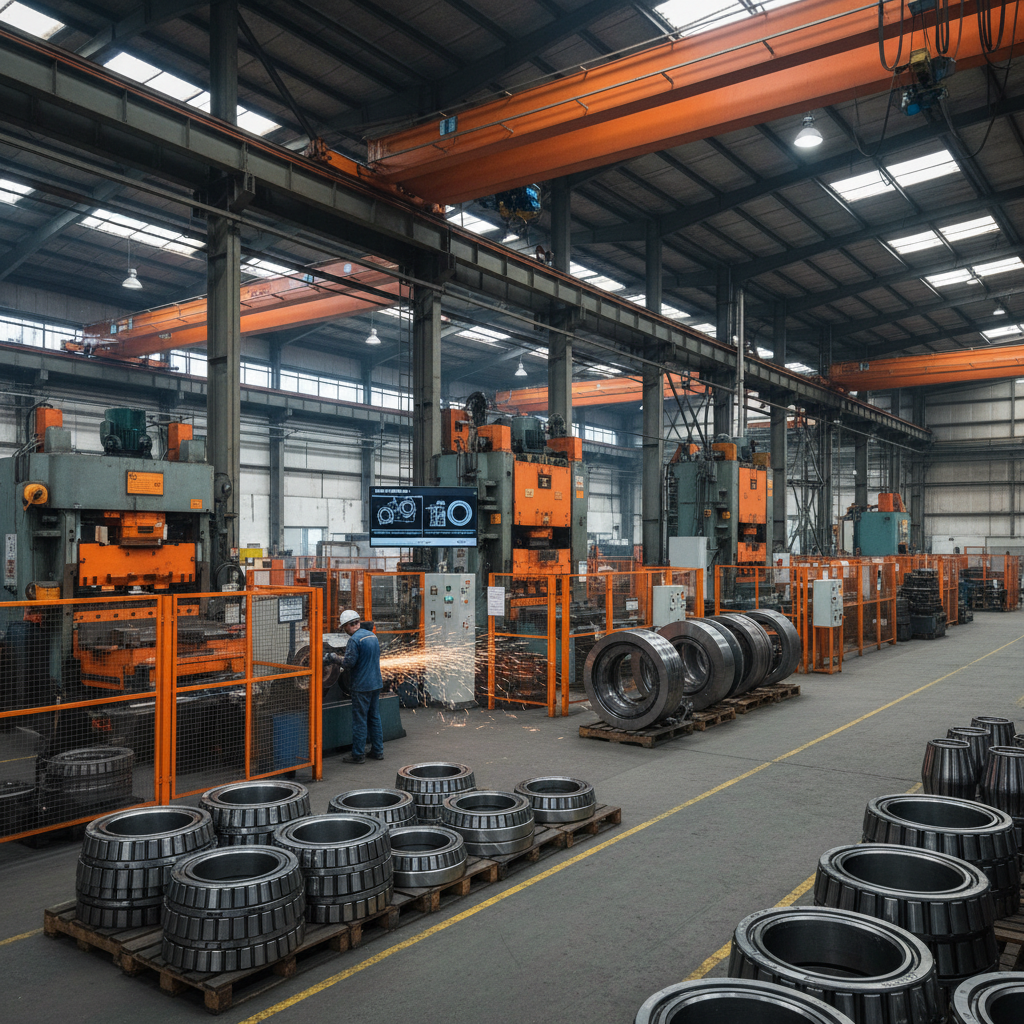
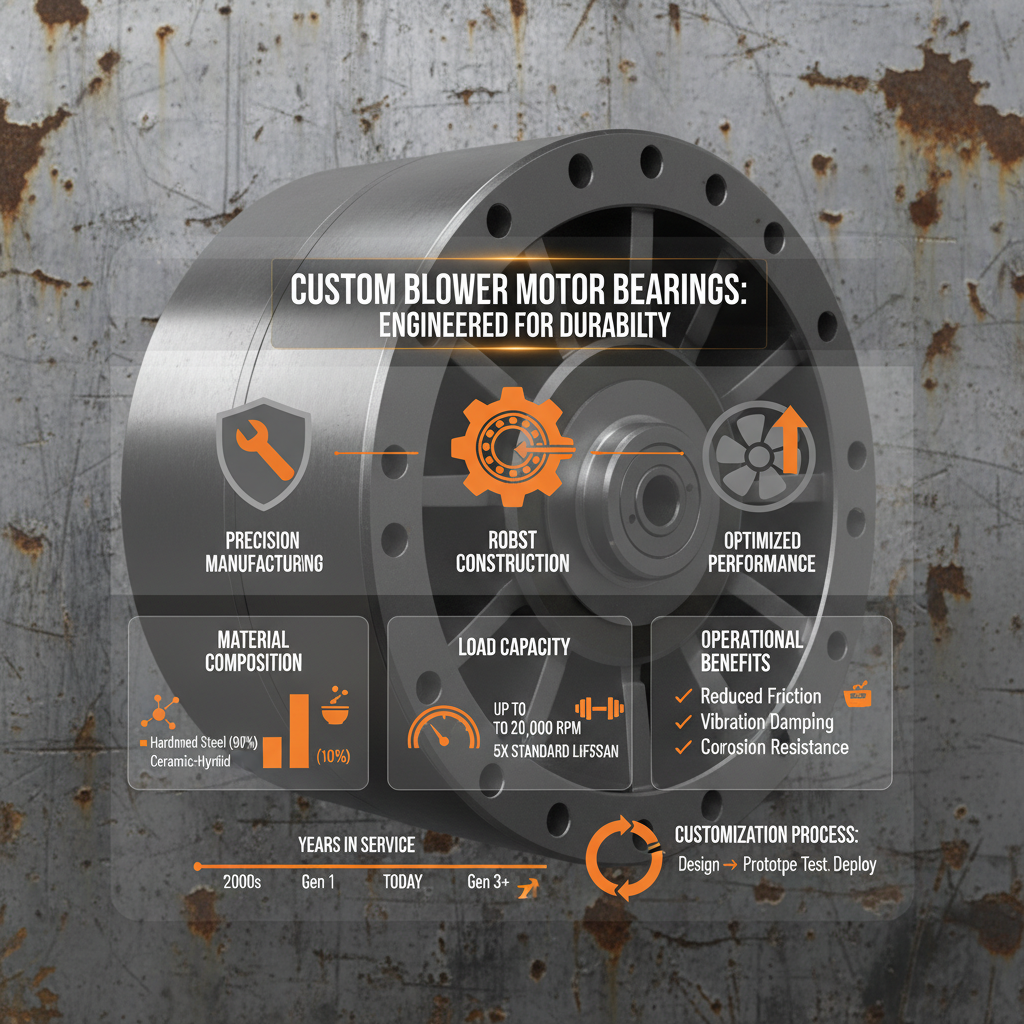
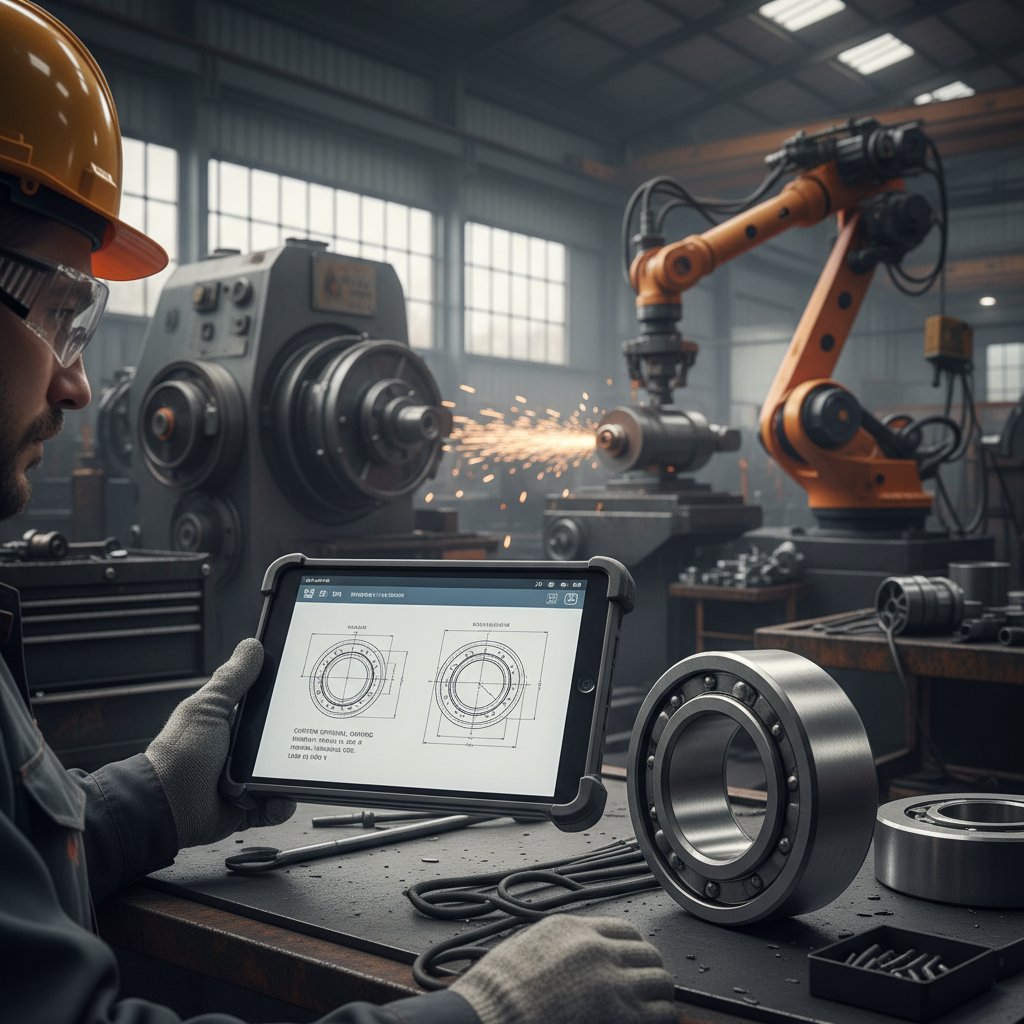
Custom spherical bearings are integral components in a vast array of modern machinery and systems, playing a crucial role in ensuring smooth, reliable, and efficient operation. These bearings, unlike their standard counterparts, are designed to accommodate significant misalignment without inducing excessive stress, making them ideal for applications where precision and adaptability are paramount. Understanding their capabilities and limitations is essential for engineers, designers, and maintenance professionals across numerous industries.
Globally, the demand for high-performance bearings like custom spherical bearings is steadily increasing, driven by advancements in automation, robotics, and infrastructure development. The United Nations Industrial Development Organization (UNIDO) emphasizes the importance of robust industrial components for sustainable economic growth, and bearings are a foundational element. Furthermore, the ISO standards related to bearing quality and performance directly impact global trade and manufacturing processes.
Ultimately, mastering the principles behind custom spherical bearings unlocks the potential for innovative design solutions, increased operational lifespan of equipment, and minimized downtime. Their versatility makes them a cornerstone of modern engineering, contributing to the reliability of systems ranging from heavy machinery to delicate instruments, impacting countless aspects of modern life.
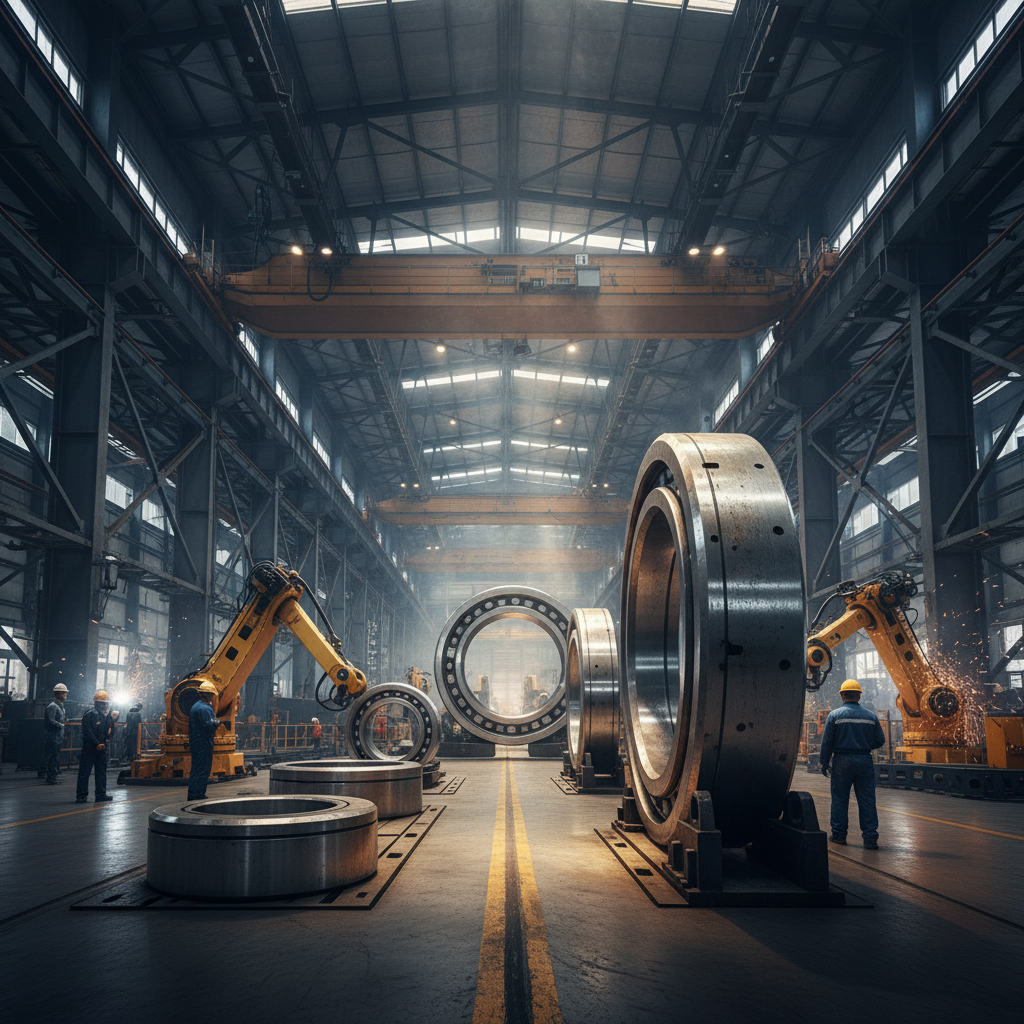

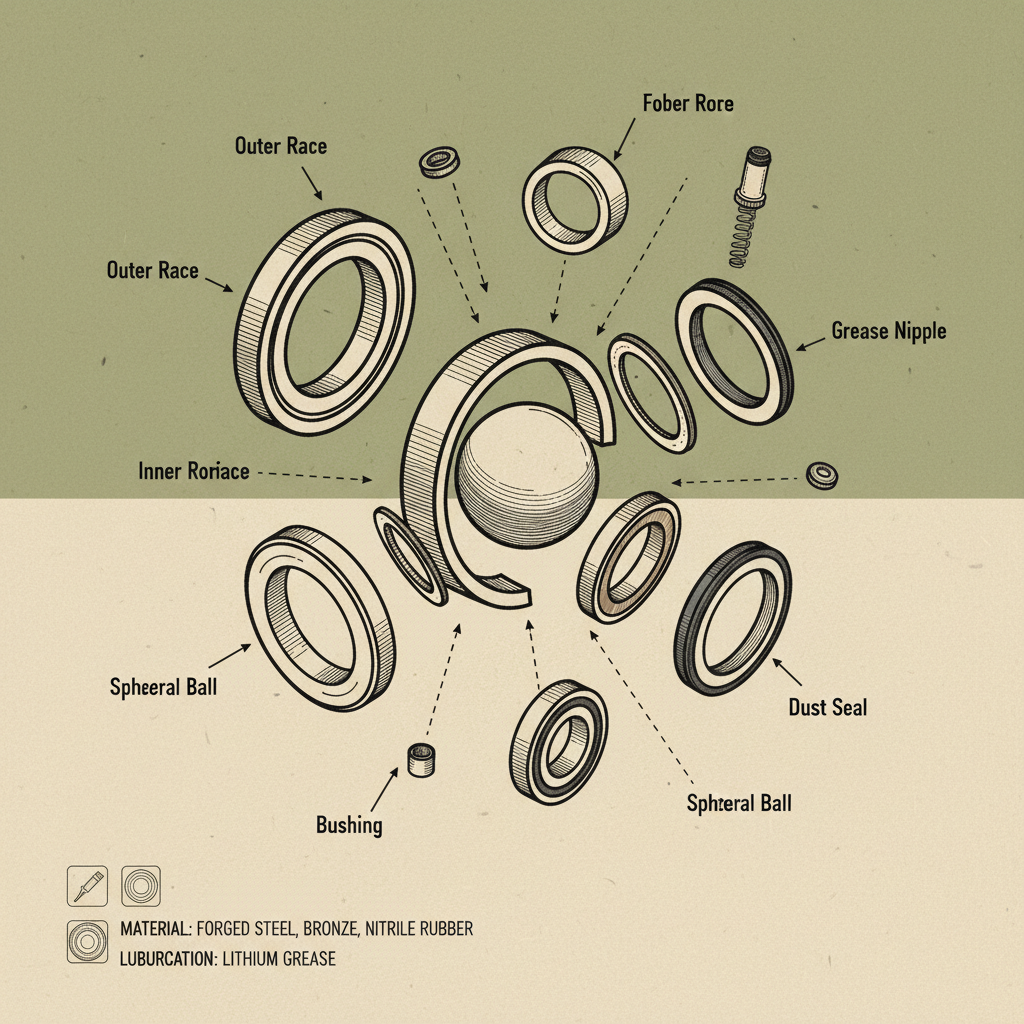
Custom spherical bearings represent a specialized class of rolling-element bearings engineered to handle angular misalignment. They differ from standard bearings through their unique spherical raceway geometry, enabling them to accommodate deflection without placing undue stress on the bearing itself or connected machinery. This feature is critical in applications where precise alignment cannot be guaranteed or is subject to change during operation.
The versatility of custom spherical bearings allows for their application in situations where typical bearings would quickly fail. This includes scenarios involving vibrations, shaft deflection, or improper mounting. They are frequently selected when minimizing maintenance, maximizing uptime, and enhancing overall system reliability are key priorities, particularly in demanding industrial settings.
Custom spherical bearings excel in applications with misalignment or shaft deflection. They tolerate these conditions without inducing excessive stress, prolonging bearing life and reducing downtime compared to standard bearings. The ability to tailor material, size, and internal clearance provides optimal performance in demanding environments. Furthermore, custom options are available for specific loads and speeds often unattainable with off-the-shelf solutions.
Material selection is crucial. Steel alloys offer high load capacity and durability. Stainless steel provides corrosion resistance. Ceramic materials can handle high temperatures and speeds. The choice depends on factors like operating temperature, load, speed, environmental conditions, and the presence of corrosive substances. A proper material selection enhances bearing life, minimizes friction, and ensures reliable performance.
Lead times vary based on complexity, quantity, and current manufacturing capacity. Generally, custom spherical bearings require a longer lead time than standard bearings—typically between 4 to 12 weeks. The design phase, material procurement, machining, heat treatment, and quality control all contribute to the overall timeline. Early engagement with the manufacturer is recommended to ensure timely delivery.
Regular lubrication is paramount, using a grease or oil specifically designed for bearings. Monitoring vibration levels can indicate early signs of wear or damage. Periodic inspections for cracks, corrosion, or excessive play are crucial. Proper mounting and alignment during installation are vital to prevent premature failure. Following the manufacturer’s recommendations is highly advisable.
Yes, but material selection is critical. Specialty materials like ceramic or high-temperature alloys are required for high-temperature applications. High-temperature greases or oil lubricants must also be utilized. The design must account for thermal expansion and potential changes in bearing clearances. Proper cooling strategies may be needed to dissipate heat and prevent bearing failure.
The lifespan of a custom spherical bearing is highly variable and depends on factors like load, speed, lubrication, operating environment, and material selection. With proper design and maintenance, a well-engineered custom spherical bearing can operate reliably for several years—often exceeding 100,000 hours. Predictive maintenance techniques and regular inspections can further extend bearing life.
Custom spherical bearings represent a cornerstone of reliable engineering, offering solutions to challenges posed by misalignment, high loads, and demanding operating conditions. Their adaptability, durability, and potential for optimized performance make them an indispensable component across a diverse spectrum of industries, driving innovation and ensuring efficient operation. The long-term benefits extend beyond mere mechanical function to encompass reduced maintenance, improved safety, and enhanced sustainability.
Looking ahead, continued advancements in materials science, manufacturing technologies, and digital integration promise to further refine the capabilities of custom spherical bearings. Embracing these innovations and fostering collaboration between designers, manufacturers, and end-users will unlock even greater potential, ensuring these essential components remain at the forefront of engineering excellence. To learn more about tailored bearing solutions, visit our website: custom spherical bearings.

 Afrikaans
 Albanian
 Amharic
 Arabic
 Armenian
 Azerbaijani
 Basque
 Belarusian
 Bengali
 Bosnian
 Bulgarian
 Catalan
 Cebuano
 Corsican
 Croatian
 Czech
Czech
 Danish
 Dutch
Dutch
 Esperanto
 Estonian
 Finnish
 French
 Frisian
 Galician
 Georgian
 German
 Greek
Greek
 Gujarati
 Haitian Creole
 Hausa
Hausa
 Hawaiian
 Hebrew
 Hindi
Hindi
 Miao
Miao
 Hungarian
 Icelandic
 Igbo
Igbo
 Indonesian
 Irish
Irish
 Italian
 Japanese
 Javanese
 Kannada
 Kazakh
 Khmer
Khmer
 Rwandese
 Korean
 Kurdish
 Kyrgyz
 Lao
Lao
 Latin
Latin
 Latvian
 Lithuanian
 Luxembourgish
 Macedonian
 Malgashi
 Malay
Malay
 Malayalam
 Maltese
 Maori
Maori
 Marathi
 Mongolian
 Myanmar
 Nepali
 Norwegian
 Norwegian
 Occitan
 Pashto
 Persian
 Polish
 Portuguese
 Punjabi
 Romanian
 Russian
 Samoan
 Scottish Gaelic
 Serbian
 Sesotho
 Shona
Shona
 Sindhi
 Sinhala
 Slovak
 Slovenian
 Somali
 Spanish
 Sundanese
 Swahili
 Swedish
 Tagalog
 Tajik
Tajik
 Tamil
Tamil
 Tatar
Tatar
 Telugu
 Thai
Thai
 Turkish
 Turkmen
 Ukrainian
 Urdu
Urdu
 Uighur
 Uzbek
Uzbek
 Vietnamese
 Welsh
Welsh
 Bantu
Bantu
 Yiddish
 Yoruba
 Zulu
Zulu
 English