In the demanding world of heavy machinery and precision engineering, the reliance on standard off-the-shelf components often leads to suboptimal performance and premature failure. This is where the concept of a custom bearing special becomes indispensable, offering engineers the ability to tailor dimensional tolerances, material compositions, and lubrication systems to meet the exact requirements of a specific application. By moving beyond generic specifications, industries can unlock higher efficiency and significantly reduce unplanned downtime.
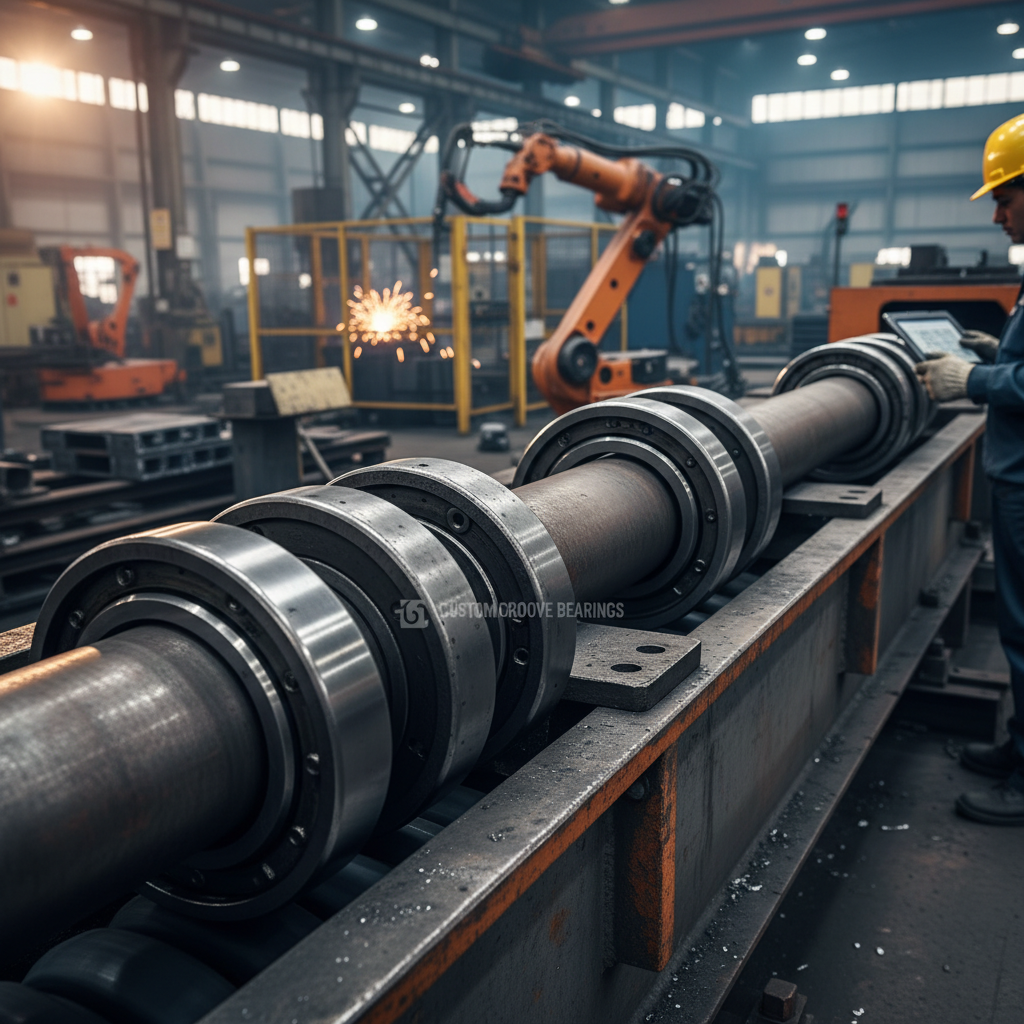
Globally, the shift toward specialized industrial automation and extreme-environment exploration has amplified the need for bespoke mechanical solutions. A custom bearing special is not merely a modified part but a precision-engineered component designed to handle unique load distributions, thermal expansions, and chemical exposures that would destroy a standard 22200 series or 23000 series bearing. This level of specialization ensures that critical infrastructure—from cement mixers to aerospace turbines—operates with maximum reliability.
Understanding the nuances of custom bearing design allows companies to optimize their total cost of ownership. While the initial investment in a custom bearing special may be higher than a mass-produced alternative, the long-term gains in energy efficiency, reduced maintenance cycles, and extended equipment lifespan provide a compelling economic advantage. For those operating in high-stakes environments, customization is the primary bridge between theoretical machine design and real-world operational excellence.
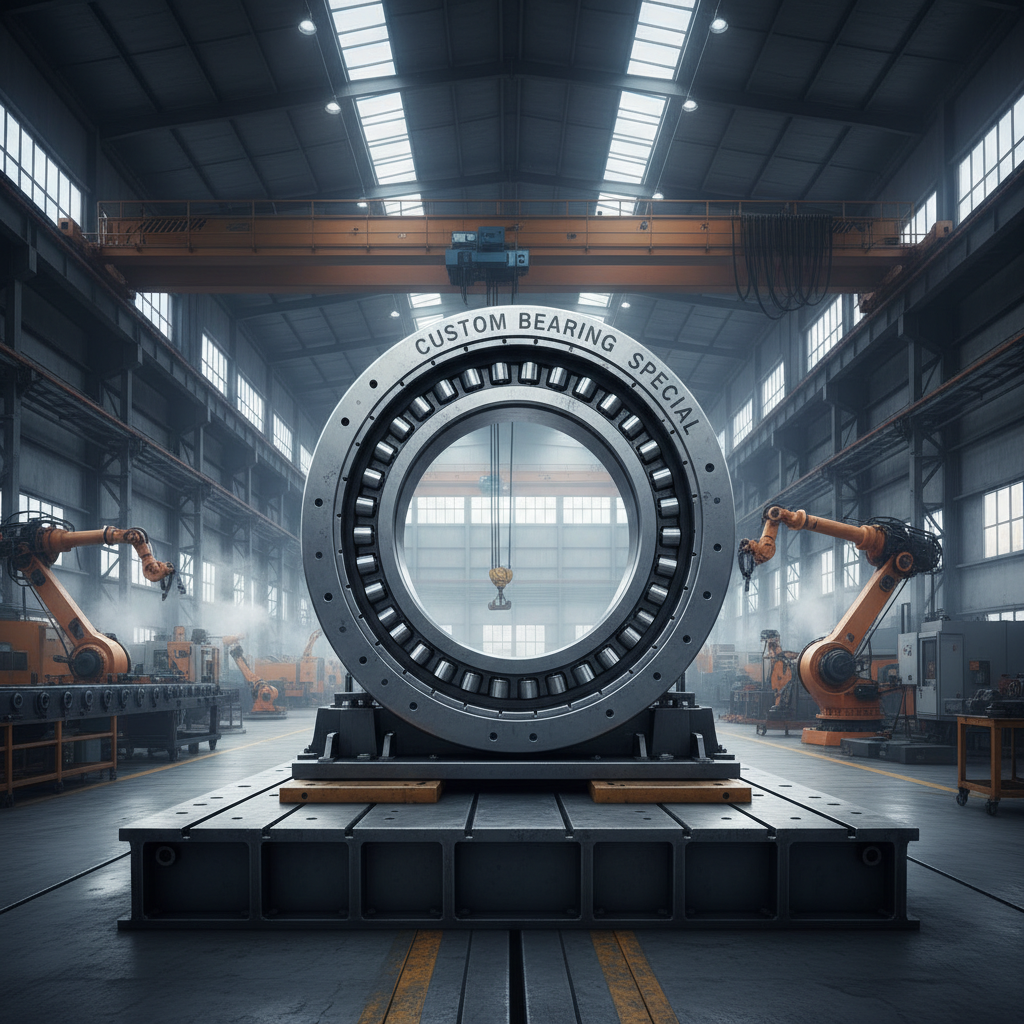
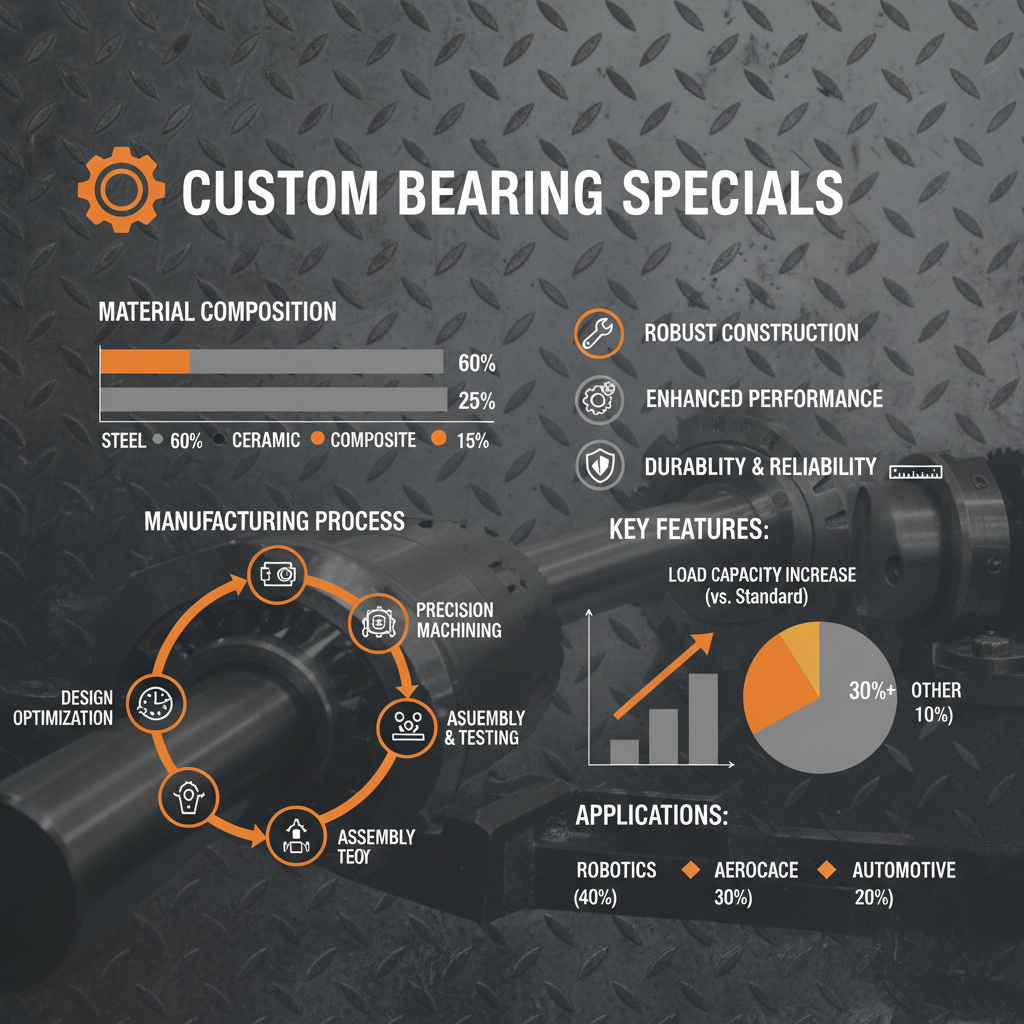
The global industrial landscape is currently undergoing a transition toward "hyper-specialization." According to ISO standards for rolling bearings, while standardization ensures interchangeability, it often fails to address the extreme stressors found in modern heavy-duty applications. The demand for a custom bearing special has surged as industries like mining, wind energy, and deep-sea drilling push machines to their physical limits, requiring components that can withstand combined axial and radial loads far beyond standard 24000-series capabilities.
This shift is largely driven by the need for operational continuity. In sectors where a single hour of downtime can cost tens of thousands of dollars, the "one size fits all" approach is a liability. By investing in a custom bearing special, operators can eliminate the chronic failure points associated with standard bearings that weren't designed for the specific vibration frequencies or corrosive atmospheres of their particular site.
While a 22200 series bearing is manufactured to a global standard for general use, a custom bearing special is engineered for a specific set of operational parameters. This includes tailored internal clearances, specific material choices (like ceramics for high heat), and customized seals to prevent contamination. Essentially, the custom version eliminates the compromises inherent in standard parts to maximize the lifespan of a specific machine.
Yes, the justification comes from the Total Cost of Ownership (TCO). A standard bearing might be cheaper initially but may require replacement every six months due to premature wear. A custom bearing special can often extend that interval to several years. When you factor in the cost of labor and the massive losses associated with unplanned production downtime, the customized solution is almost always the more economical choice.
Absolutely. In fact, this is one of the most common use cases. If a standard bearing is failing prematurely, it indicates that the application's demands exceed the standard's design. By analyzing the failure mode, engineers can design a custom bearing special that addresses the specific weakness—such as increasing the load capacity or improving the seal—effectively solving the problem rather than just replacing the part.
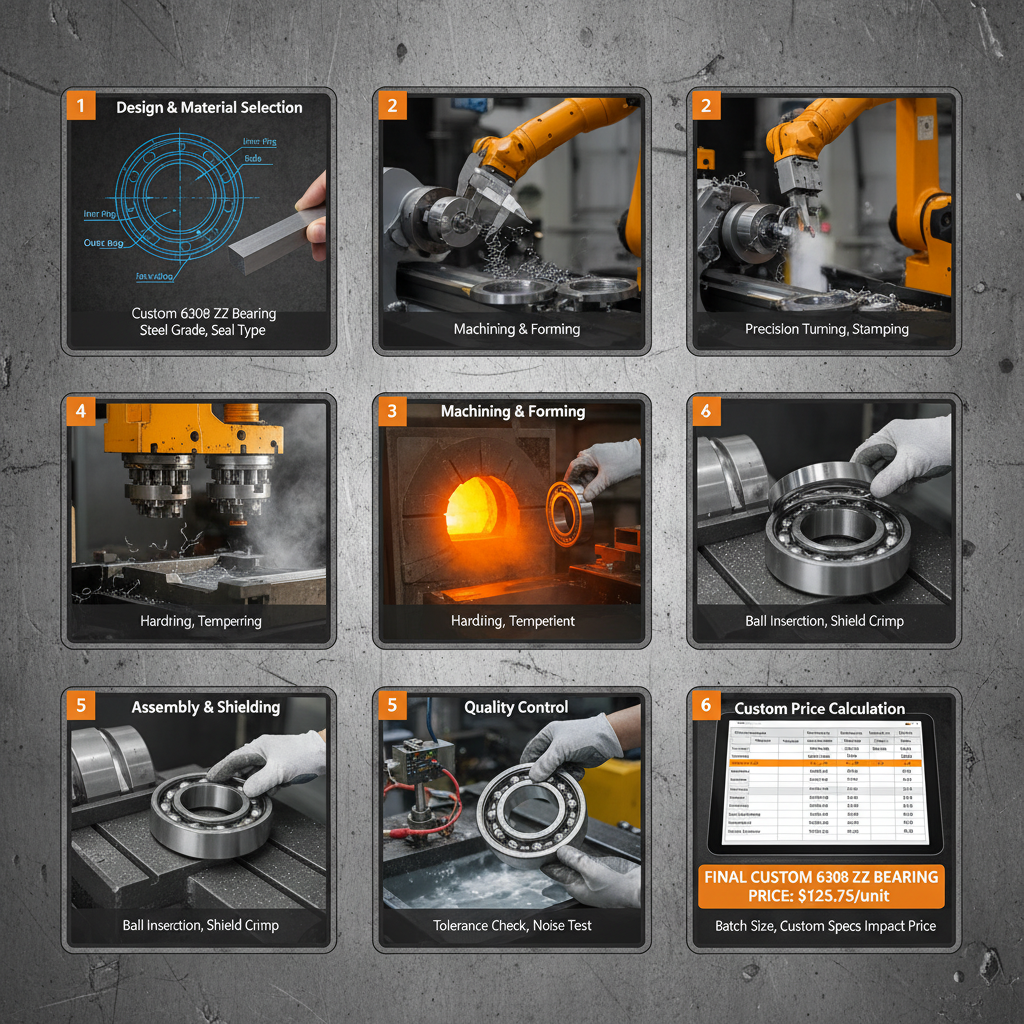
The timeline varies based on complexity. A modification of an existing series may take a few weeks, while a completely bespoke design involving new materials or geometries may take several months. This process includes a consultation phase, CAD modeling, simulation, and precision manufacturing. However, the time invested upfront is offset by the drastic reduction in future maintenance time.
Yes, most custom bearing specials are designed to maintain the same outer and inner diameters as standard series (like the 23000 or 24000 series) so they can be dropped into existing equipment without requiring expensive modifications to the machine's housing or shaft. The "special" aspect usually happens internally, where it doesn't affect the fit but drastically improves the performance.
Industries operating in "extreme" conditions benefit most. This includes mining (heavy loads/abrasive dust), cement and chemical processing (corrosive environments), aerospace (extreme temperatures), and agriculture (variable loads/dirt ingress). Any sector where equipment failure leads to significant safety risks or financial loss is a prime candidate for custom bearing solutions.
The transition from standard mechanical components to the custom bearing special represents a fundamental shift in industrial philosophy—moving from "replacement" to "optimization." By focusing on precise material selection, geometric tuning, and advanced sealing, industries can effectively eliminate chronic failures and unlock levels of machine efficiency that were previously unattainable with off-the-shelf components. The integration of these bespoke solutions not only enhances productivity but also contributes to a more sustainable industrial ecosystem by reducing material waste and energy loss.
Looking forward, the synergy between AI-driven design and additive manufacturing will make the custom bearing special more accessible and precise than ever before. For companies aiming to maintain a competitive edge in a global market, investing in specialized bearing technology is no longer an optional luxury but a strategic necessity. We encourage you to evaluate your most problematic failure points and consider how a tailored approach can transform your operational reliability. Visit our website: www.btzbearing.com

 Afrikaans
 Albanian
 Amharic
 Arabic
 Armenian
 Azerbaijani
 Basque
 Belarusian
 Bengali
 Bosnian
 Bulgarian
 Catalan
 Cebuano
 Corsican
 Croatian
 Czech
Czech
 Danish
 Dutch
Dutch
 Esperanto
 Estonian
 Finnish
 French
 Frisian
 Galician
 Georgian
 German
 Greek
Greek
 Gujarati
 Haitian Creole
 Hausa
Hausa
 Hawaiian
 Hebrew
 Hindi
Hindi
 Miao
Miao
 Hungarian
 Icelandic
 Igbo
Igbo
 Indonesian
 Irish
Irish
 Italian
 Japanese
 Javanese
 Kannada
 Kazakh
 Khmer
Khmer
 Rwandese
 Korean
 Kurdish
 Kyrgyz
 Lao
Lao
 Latin
Latin
 Latvian
 Lithuanian
 Luxembourgish
 Macedonian
 Malgashi
 Malay
Malay
 Malayalam
 Maltese
 Maori
Maori
 Marathi
 Mongolian
 Myanmar
 Nepali
 Norwegian
 Norwegian
 Occitan
 Pashto
 Persian
 Polish
 Portuguese
 Punjabi
 Romanian
 Russian
 Samoan
 Scottish Gaelic
 Serbian
 Sesotho
 Shona
Shona
 Sindhi
 Sinhala
 Slovak
 Slovenian
 Somali
 Spanish
 Sundanese
 Swahili
 Swedish
 Tagalog
 Tajik
Tajik
 Tamil
Tamil
 Tatar
Tatar
 Telugu
 Thai
Thai
 Turkish
 Turkmen
 Ukrainian
 Urdu
Urdu
 Uighur
 Uzbek
Uzbek
 Vietnamese
 Welsh
Welsh
 Bantu
Bantu
 Yiddish
 Yoruba
 Zulu
Zulu
 English