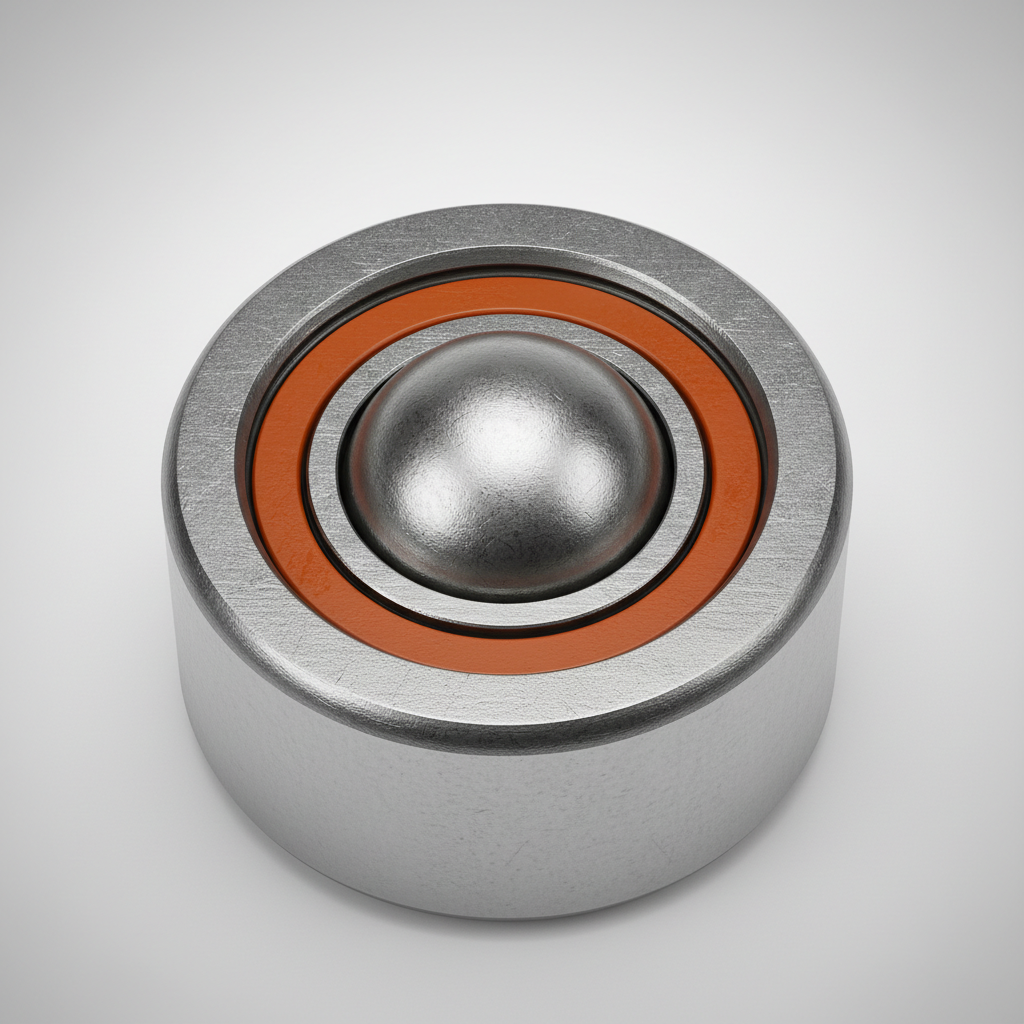
In the demanding world of precision engineering, the quest for friction reduction and high-speed stability has led to the evolution of high-performance motion control. While traditional steel bearings serve many purposes, the emergence of custom ultimate ceramic bearings represents a paradigm shift for industries requiring extreme durability and thermal resistance. These specialized components are essential for maximizing the operational lifespan of machinery operating under severe stress.
Globally, the shift toward automation and ultra-high-speed rotation has created a critical need for materials that do not expand significantly under heat or corrode in harsh chemical environments. The integration of ceramic elements allows for higher RPMs and reduced maintenance intervals, directly impacting the bottom line of manufacturing plants. Understanding the nuances of these advanced bearings is no longer optional for engineers aiming for peak efficiency.
By blending material science with precise mechanical design, custom ultimate ceramic bearings provide a solution to the chronic problems of wear and lubrication failure. This guide explores how these components, particularly when integrated into high-speed clutch and indexing assemblies, redefine the limits of industrial capacity and concentricity.
High-Speed Engineering and Ceramic Integration
The integration of ceramics into bearing design is driven by the need to overcome the physical limitations of steel, specifically regarding centrifugal force and thermal expansion. In high-speed applications, custom ultimate ceramic bearings significantly reduce the mass of the rolling elements, which lowers the load on the races and allows for much higher rotational speeds without compromising structural integrity.
Moreover, the hardness of ceramic materials ensures that these bearings maintain their geometric precision even when subjected to abrasive environments. When paired with a cam cage assembly engineered for increased capacity, these bearings ensure that the motion transfer remains fluid, reducing the drag torque and increasing the overall energy efficiency of the drive system.
Defining Custom Ultimate Ceramic Bearings in Modern Industry
At its core, custom ultimate ceramic bearings refer to precision-engineered motion components that utilize advanced ceramics—such as silicon nitride—to provide superior hardness and lower friction compared to traditional alloys. Unlike standard off-the-shelf parts, "custom" refers to the ability to tailor the bore size, keyway specifications, and sealing options to meet the exact torque and overrunning requirements of a specific industrial machine.
In the context of modern industry, these bearings are often integrated into self-contained clutch systems. By incorporating two ball bearings to support radial loads, they ensure perfect concentricity between races, which is critical for avoiding vibration in high-speed indexing. This synergy between ceramic material and mechanical housing allows for a level of precision that is unattainable with standard metallic bearings.
The humanitarian and industrial significance lies in the reduction of downtime. In critical infrastructure—such as energy production or medical device manufacturing—the failure of a bearing can lead to catastrophic halts. By utilizing materials that resist wear and heat, these bearings provide a reliable foundation for the "ultimate" performance required in 24/7 operational cycles.
Core Components for Optimum Performance
The first critical factor is the Cam Cage Assembly. This component is the heart of the indexing mechanism, engineered specifically to optimize performance and increase the torque capacity. When paired with custom ultimate ceramic bearings, the cage ensures that the load is distributed evenly across the rolling elements, preventing premature pitting and extending the service life.
Equally important is the Sealing and Lubrication System. To maintain the purity of the ceramic interfaces, positive contact lips or felt seals are provided. These allow for specialized grease or oil lubrication, ensuring that contaminants are kept out while maintaining a consistent lubricant film, which is vital for the "ultimate" friction-reduction properties of the bearing.
Lastly, the Structural Housing features tapped holes machined on the ends of the outer race. This design allows for the seamless mounting of auxiliary components, ensuring that the bearing is not just a rotating part, but a central hub for the entire mechanical assembly. This flexibility in mounting is what makes these bearings "custom" and adaptable to various metric bore and keyway configurations.
Scalability and Torque Capacity Analysis
Scalability in bearing design is measured by the ability to increase torque capacity without a proportional increase in drag torque. For custom ultimate ceramic bearings, this is achieved through a precise ratio of ball size to race diameter. For instance, moving from a small model like the MG 300 (300Nm) to a heavy-duty MG 1300 (176,000Nm) requires a complete redesign of the internal concentricity support to handle massive radial loads.
The efficiency of these systems is often evaluated by comparing the Max Overrunning speed against the Indexing cycle. A high-performance ceramic system allows for a rapid transition between these states, ensuring that the machinery can accelerate and decelerate with minimal energy loss.
Torque Efficiency Rating by Model Series
Global Applications Across Industrial Zones
The application of custom ultimate ceramic bearings spans across diverse geographical and industrial landscapes. In high-tech manufacturing hubs in East Asia and Europe, these bearings are utilized in semiconductor fabrication equipment where vacuum environments and zero-contamination are mandatory. The non-magnetic and corrosion-resistant nature of ceramics makes them the only viable choice for these precision instruments.
In contrast, in heavy industrial zones such as mining sectors in Australia or cement plants in India, these bearings are integrated into shaker screen bearings and cement mixer units. Here, the "ultimate" aspect refers to the ability to withstand extreme grit and heavy radial loads. By utilizing a custom-fit bore and reinforced seals, these bearings prevent the ingress of abrasive dust, drastically reducing the frequency of costly machine teardowns.
Long-Term Value and Sustainability Gains
Investing in custom ultimate ceramic bearings provides tangible long-term value through a significant reduction in Total Cost of Ownership (TCO). While the initial procurement cost may be higher than steel alternatives, the extended service intervals and lower energy consumption—due to reduced drag torque—result in a net positive return on investment within the first two years of operation.
From a sustainability perspective, ceramic bearings contribute to "green" manufacturing. By reducing friction, they lower the electricity required to drive heavy machinery. Furthermore, the longevity of these materials means fewer replacement parts are manufactured and discarded, reducing the industrial carbon footprint and aligning with global ISO environmental standards.
Beyond the numbers, there is an emotional component of trust and safety. For plant managers, knowing that a critical component is engineered to an "ultimate" standard provides peace of mind. It eliminates the anxiety of unexpected breakdowns during peak production cycles, ensuring a dignified and stable working environment for the operators.
Future Trends in Ceramic Bearing Innovation
The future of custom ultimate ceramic bearings is moving toward "intelligent bearings." We are seeing the integration of embedded sensors within the outer race tapped holes to monitor vibration and temperature in real-time. This digital transformation allows for predictive maintenance, where a bearing can signal its own need for lubrication before a failure occurs.
Material science is also evolving with the introduction of hybrid ceramic composites that offer the toughness of steel and the hardness of ceramics. These innovations will likely lead to a new generation of bearings that can handle even higher torque capacities, potentially exceeding the 176,000Nm threshold of current top-tier models like the MG 1300.
As automation and AI-driven robotics become the standard, the demand for zero-backlash, high-precision bearings will surge. The focus will shift from mere durability to "absolute precision," where custom ceramic bearings will be designed at the micron level to support the next wave of surgical robots and aerospace components.
Technical Specification Matrix for Ceramic-Integrated Bearing Models
| Model Series |
Torque Capacity (Nm) |
Max Speed (r/min) |
Durability Score (1-10) |
| MG 300 |
300 |
2800 |
7.5 |
| MG 600 |
3140 |
2100 |
8.2 |
| MG 900 |
24500 |
1200 |
9.0 |
| MG 1100 |
78400 |
350 |
9.5 |
| MG 1300 |
176000 |
250 |
9.8 |
| Custom Spec |
Variable |
Variable |
10.0 |
FAQS
Custom ultimate ceramic bearings offer significantly lower density and a lower coefficient of friction than steel. This reduces centrifugal force on the rolling elements, allowing for much higher RPMs and lower heat generation. Additionally, their extreme hardness prevents wear and deformation, ensuring the bearing maintains its precision over a longer operational lifespan, even in the absence of heavy lubrication.
Yes, that is one of their primary advantages. Ceramics have a much lower coefficient of thermal expansion compared to metals. This means that custom ultimate ceramic bearings maintain their internal clearances and concentricity even when the machinery heats up during high-speed operation, preventing the "seizing" often seen in steel bearings under thermal stress.
The choice depends on your torque requirements and speed limits. If your application requires high speed (up to 2800 r/min) but low torque (300Nm), the MG 300 is ideal. However, if you are dealing with heavy-duty industrial loads requiring massive torque (up to 176,000Nm) at lower speeds, the MG 1300 is the necessary choice. Always check the radial load capacity and bore size requirements first.
While they can work with some standard lubricants, they are designed for optimized performance using specific grease or oil provided through the positive contact lip or felt seals. Using high-quality synthetic lubricants is recommended to maximize the longevity of the ceramic elements and ensure that the drag torque remains as low as possible.
The tapped holes are a critical "custom" feature that allows engineers to mount auxiliary components—such as sensors, cooling jackets, or synchronization gears—directly to the bearing housing. This eliminates the need for additional brackets, reducing the overall footprint of the machine and improving the alignment of attached components.
Depending on the application, custom ultimate ceramic bearings can last 3 to 10 times longer than traditional steel bearings. Their resistance to corrosion and wear, combined with the high-performance cam cage assembly, significantly reduces the rate of degradation. This results in fewer replacements and a dramatic decrease in unplanned downtime for the end user.
Conclusion
In summary, custom ultimate ceramic bearings are far more than simple rotating parts; they are precision instruments that enable high-speed, high-torque industrial operations with unprecedented efficiency. By combining advanced ceramic materials with a robust mechanical design—featuring optimized cam cages and versatile mounting options—these bearings solve the age-old problems of friction, heat, and premature wear.
As we look toward a future defined by Industry 4.0 and sustainable manufacturing, the role of these advanced components will only grow. We recommend that engineers and plant managers transition to ceramic-integrated solutions to future-proof their machinery, reduce energy overheads, and ensure absolute operational reliability. To explore our full range of precision bearing solutions, visit our website: www.btzbearing.com.