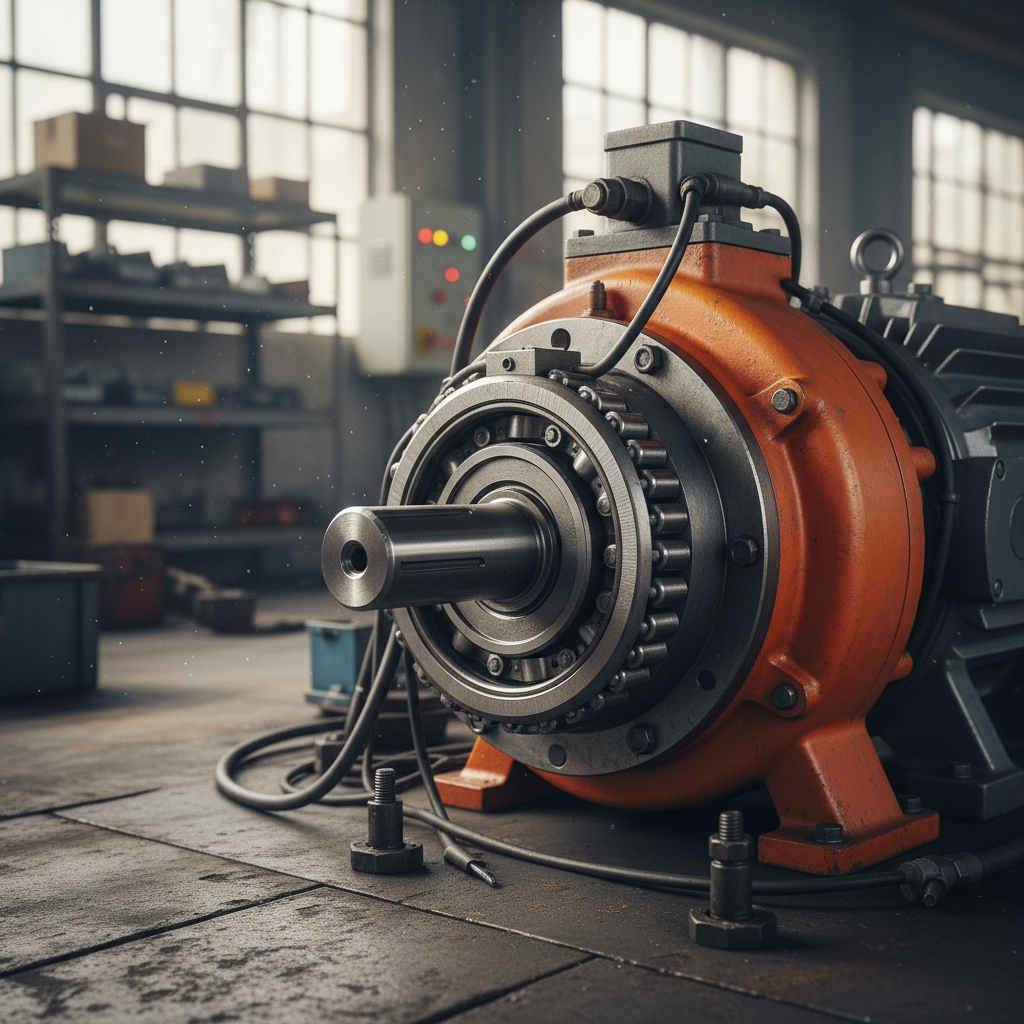
The selection of high-performance materials in bearing manufacturing is critical for ensuring the longevity and efficiency of industrial machinery. When discussing custom deep groove ball bearing material, the focus shifts toward optimizing the chemical and physical properties of the steel or alloys to withstand specific environmental stressors. By tailoring the material composition, engineers can significantly reduce friction and wear in demanding applications.
Globally, the demand for precision-engineered components has surged as automation and high-speed robotics become the standard in manufacturing. The ability to specify a custom deep groove ball bearing material allows companies to overcome common failures such as premature spalling or corrosion, which often plague generic off-the-shelf solutions in harsh industrial climates.
Understanding the nuances of material science is not just about durability; it is about maximizing the operational uptime of complex systems. Whether integrating a UCF206 housing unit with its cast iron robustness or choosing a specific custom deep groove ball bearing material for the inner ring, the synergy between the bearing insert and its housing determines the overall reliability of the machine.
Global Impact of Custom Deep Groove Ball Bearing Material
In the contemporary industrial landscape, the quest for energy efficiency and reduced carbon footprints has placed a spotlight on friction management. The implementation of custom deep groove ball bearing material is a direct response to the need for components that can operate with minimal energy loss while maintaining structural integrity under extreme loads.
According to ISO standards and global manufacturing benchmarks, material fatigue is one of the primary causes of industrial downtime. By transitioning from standard carbon steels to specialized alloys, industries can extend the mean time between failures (MTBF), which is crucial for critical infrastructure and large-scale manufacturing plants worldwide.
Defining Material Customization in Ball Bearings
Customization in the context of bearing materials refers to the precise alteration of the chemical composition and heat treatment process of the steel or alloy used. While standard deep groove ball bearings are widely available, a custom deep groove ball bearing material is engineered to address specific challenges, such as extreme temperature fluctuations, corrosive chemical exposure, or high-frequency vibration.
For a component like the UC206 insert bearing, the material must complement the cast iron housing. When the application requires a specific hardness or a particular coefficient of thermal expansion, customization ensures that the inner ring, extended for set screw locking, maintains a secure fit without sacrificing the smoothness of the ball rotation.
Essentially, this process transforms a generic mechanical part into a specialized tool. By adjusting elements like chromium, molybdenum, or adding ceramic components, the custom deep groove ball bearing material ensures that the bearing can accommodate moderate initial misalignment and constant rotation directions without premature wear.
Core Factors Influencing Bearing Material Choice
Durability is the foremost consideration when specifying a custom deep groove ball bearing material. In environments where heavy loads are constant, the material must possess a high fatigue limit to prevent the formation of micro-cracks on the raceways, ensuring that the bearing unit remains operational for thousands of hours.
Corrosion resistance is another pivotal factor, especially for bearings used in food processing or chemical plants. A custom deep groove ball bearing material utilizing stainless steel or specialized coatings can prevent rust and degradation, which is essential when the bearing is housed in a cast iron UCF206 unit and exposed to humidity.
Thermal stability ensures that the bearing maintains its dimensional accuracy across a wide temperature range. When selecting a custom deep groove ball bearing material, engineers calculate the thermal expansion coefficients to ensure that the inner ring and balls do not expand at rates that would increase internal friction or lead to seizing.
Performance Metrics of Material Variants
Evaluating the effectiveness of different material compositions requires a quantitative approach. By analyzing the hardness (HRC), wear rates, and load capacities, we can see a clear distinction between standard materials and custom deep groove ball bearing material options.
The following data illustrates how specialized material variants perform across key metrics compared to standard industrial steel, emphasizing the superior performance of customized alloys in high-stress environments.
Comparison of Material Performance Metrics
Industrial Applications and Use Cases
In the agricultural sector, machinery often operates in dusty and moist environments. The use of custom deep groove ball bearing material in Agriculture Machinery bearings ensures that the components can resist abrasive particles and oxidation, significantly extending the time between maintenance cycles.
Similarly, in heavy industrial zones like cement plants, Cement Mixer bearings are subjected to immense pressure and caustic dust. By integrating a custom deep groove ball bearing material with high surface hardness and RSR seals, these units can withstand the harsh conditions of a four-bolt flanged housing while maintaining precise rotation.
Long-Term Value and Reliability Gains
The long-term value of investing in custom deep groove ball bearing material extends far beyond the initial purchase cost. By reducing the frequency of bearing failures, companies can avoid the catastrophic costs associated with unplanned production halts and emergency repairs, leading to a much lower Total Cost of Ownership (TCO).
From a psychological perspective, reliability builds trust between the equipment manufacturer and the end-user. When a bearing unit like the UCF206 performs consistently under stress, it validates the engineering integrity of the entire machine, providing peace of mind to operators who rely on the equipment for their daily livelihoods.
Furthermore, the sustainability aspect cannot be ignored. Materials that last longer mean fewer replacements and less industrial waste. The shift toward custom deep groove ball bearing material is, therefore, not just a technical upgrade but a commitment to sustainable industrial practices.
Future Trends in Bearing Metallurgy
The future of bearing technology is leaning heavily toward "smart" materials and hybrid compositions. We are seeing a rise in the integration of ceramic elements within a custom deep groove ball bearing material framework to achieve near-zero thermal expansion and extreme hardness, allowing for higher RPMs than ever before.
Digital transformation is also playing a role, with additive manufacturing (3D printing) allowing for the creation of porous material structures that can hold lubricants internally. This evolution in custom deep groove ball bearing material will virtually eliminate the need for external lubrication in certain low-load applications.
As green energy becomes the priority, the development of cobalt-free and chrome-reduced alloys is becoming essential. The next generation of custom deep groove ball bearing material will prioritize both extreme performance and environmental biocompatibility, ensuring that the industry evolves in harmony with global ecological goals.
Material Analysis and Comparison Matrix
| Material Type |
Wear Resistance |
Corrosion Level |
Application Suitability |
| Standard GCr15 Steel |
Moderate |
Low |
General Purpose |
| Custom Alloy Steel |
High |
Moderate |
Heavy Machinery |
| Custom Stainless Steel |
Moderate |
Very High |
Food & Medical |
| Nitride-Custom Steel |
Very High |
High |
Cement/Mining |
| Hybrid Ceramic |
Extreme |
High |
High-Speed Spindles |
| Polymer Coated Custom |
Moderate |
Extreme |
Chemical Processing |
FAQS
The primary benefit is the ability to optimize the bearing for specific operational environments. While standard steel is versatile, a custom material can be engineered for extreme hardness to resist wear in mining, or high corrosion resistance for marine applications, thereby extending the lifespan of the equipment and reducing maintenance costs.
Yes, absolutely. The UCF206 housing is a standard cast iron unit, but the insert bearing (UC206) inside it can be manufactured from a custom deep groove ball bearing material. This allows the unit to maintain its mounting convenience while offering superior performance in the actual rotating elements.
Determining the right material involves analyzing your operating temperature, load capacity, the presence of corrosive agents, and the required RPM. Consulting with a bearing expert to map these variables against material properties (like HRC hardness and thermal expansion) is the best way to ensure the correct selection.
While the initial unit price may be higher than standard bearings, the total cost of ownership is usually lower. By reducing unplanned downtime and extending the replacement interval, the investment in custom materials pays for itself through increased production efficiency and reduced labor costs.
Yes, current trends focus on reducing the use of hazardous elements like cobalt and chromium in the alloying process. Additionally, materials that enable longer lifespans directly contribute to sustainability by reducing the volume of scrap metal and industrial waste generated by frequent replacements.
Customization can significantly increase load capacity by improving the material's yield strength and fatigue resistance. For example, specialized heat treatments or the addition of alloying elements can allow a bearing to handle higher radial loads without the balls deforming or the raceways spalling.
Conclusion
In summary, the strategic application of custom deep groove ball bearing material is a cornerstone of modern industrial efficiency. From enhancing the durability of UCF206 housing units to meeting the rigorous demands of agricultural and cement machinery, the right material choice minimizes friction, resists environmental degradation, and ensures operational stability. By focusing on the intersection of metallurgy and mechanical engineering, industries can achieve unprecedented levels of reliability.
Looking forward, the integration of hybrid ceramics and sustainable alloys will continue to push the boundaries of what is possible in bearing technology. For companies seeking to optimize their machinery and reduce long-term overhead, transitioning to customized material solutions is no longer an option but a necessity. We invite you to explore our comprehensive range of specialized bearing solutions. Visit our website: www.btzbearing.com