


Mar . 09, 2026 02:05 Back to list
Comprehensive Guide to Wholesale Spherical Roller Bearing Material Selection and Applications
Understanding Wholesale Spherical Roller Bearing Material
Selecting the right material for wholesale spherical roller bearings is crucial for performance, longevity, and cost-effectiveness. This article explores the common materials used in their construction, focusing on their properties, applications, and factors to consider when sourcing materials for large-scale production. Understanding these materials empowers buyers to make informed decisions, optimizing their bearing solutions for specific industrial needs. We’ll dive into the intricacies of steel alloys, material treatments, and their impact on bearing performance.
Common Materials Used in Spherical Roller Bearing Production
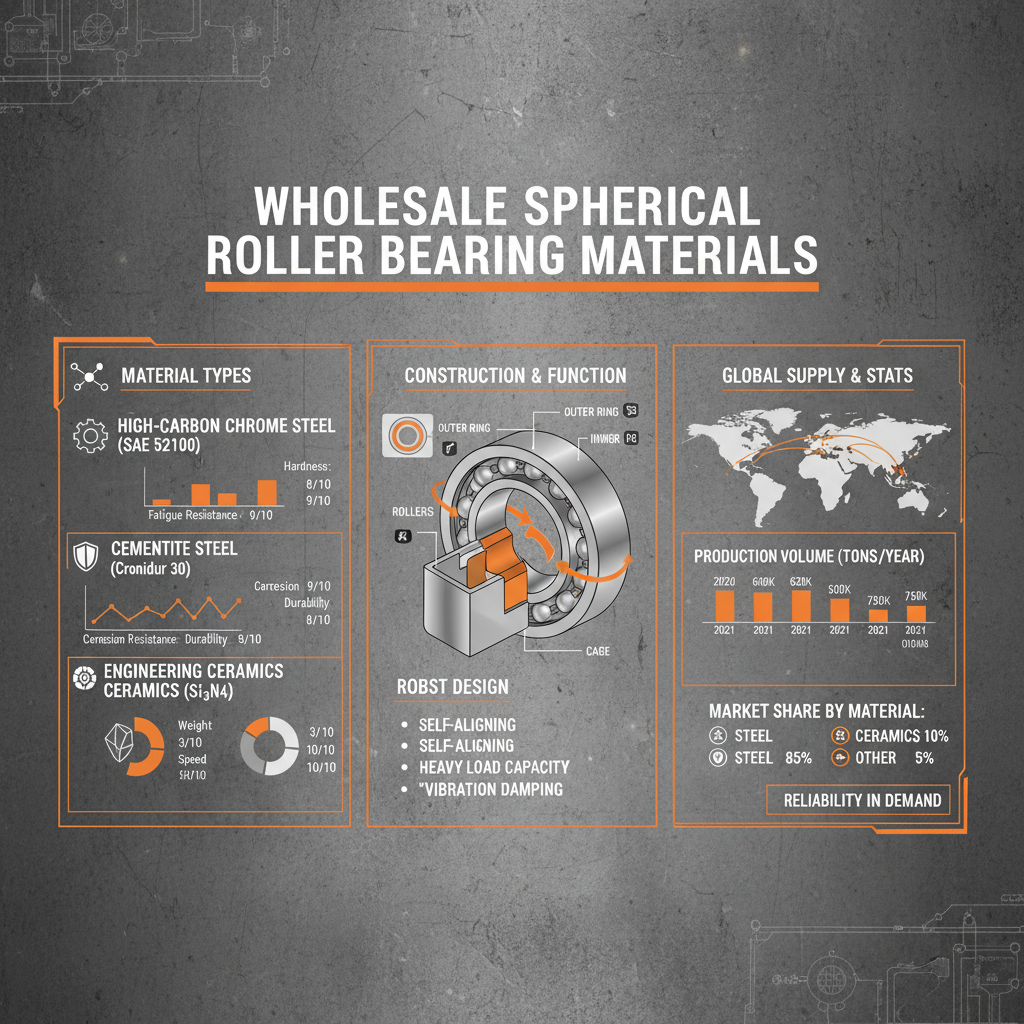
The foundation of most spherical roller bearings lies in high-quality steel alloys. The most common is bearing steel (typically SAE 52100 or similar), renowned for its high hardness, wear resistance, and fatigue strength. However, depending on the application, other materials like chrome steel, stainless steel, and even specialized polymer materials are utilized. Choosing the correct material demands a careful evaluation of load capacity, operating temperature, corrosion resistance, and expected lifespan. BTZ Bearing specializes in providing bearings constructed from premium materials, tailored to diverse industrial requirements.
Key Takeaway: Bearing steel (SAE 52100) is the industry standard due to its exceptional strength and durability, but other materials offer advantages for specific applications.
A Deep Dive into Bearing Steel (SAE 52100)
SAE 52100 is a high-carbon chromium steel alloy, providing an excellent balance of hardness, toughness, and wear resistance. It's the most widely used material for bearing rings and rolling elements in spherical roller bearings. Through heat treatment processes like hardening and tempering, the steel achieves optimal performance characteristics. Its ability to withstand high loads and maintain dimensional stability makes it ideal for demanding industrial applications. Furthermore, it offers good resistance to deformation under stress. BTZ Bearing utilizes rigorously tested SAE 52100 steel in many of its bearing products.
Benefits of SAE 52100:
• High hardness and wear resistance
• Excellent fatigue strength
• Good dimensional stability
• Suitable for high-load applications
Chrome Steel vs. Stainless Steel: A Comparative Analysis
While bearing steel reigns supreme in many cases, chrome steel (containing higher chromium content) and stainless steel offer distinct advantages. Chrome steel provides improved corrosion resistance compared to standard bearing steel. Stainless steel, particularly grades like 440C, is invaluable in corrosive environments, offering exceptional resistance to rust and chemical attack. However, stainless steel typically has lower hardness and fatigue strength than bearing steel. The table below summarizes the key differences.
Material Sourcing for Wholesale Spherical Roller Bearings
For large-scale wholesale purchases, sourcing materials directly from reputable suppliers is vital. Factors to consider include material certifications (ensuring compliance with industry standards), consistent quality control, competitive pricing, and reliable delivery schedules. Working with a knowledgeable bearing manufacturer like BTZ Bearing simplifies this process, as we handle material sourcing and quality assurance in-house.
The Importance of Heat Treatment and Surface Coatings
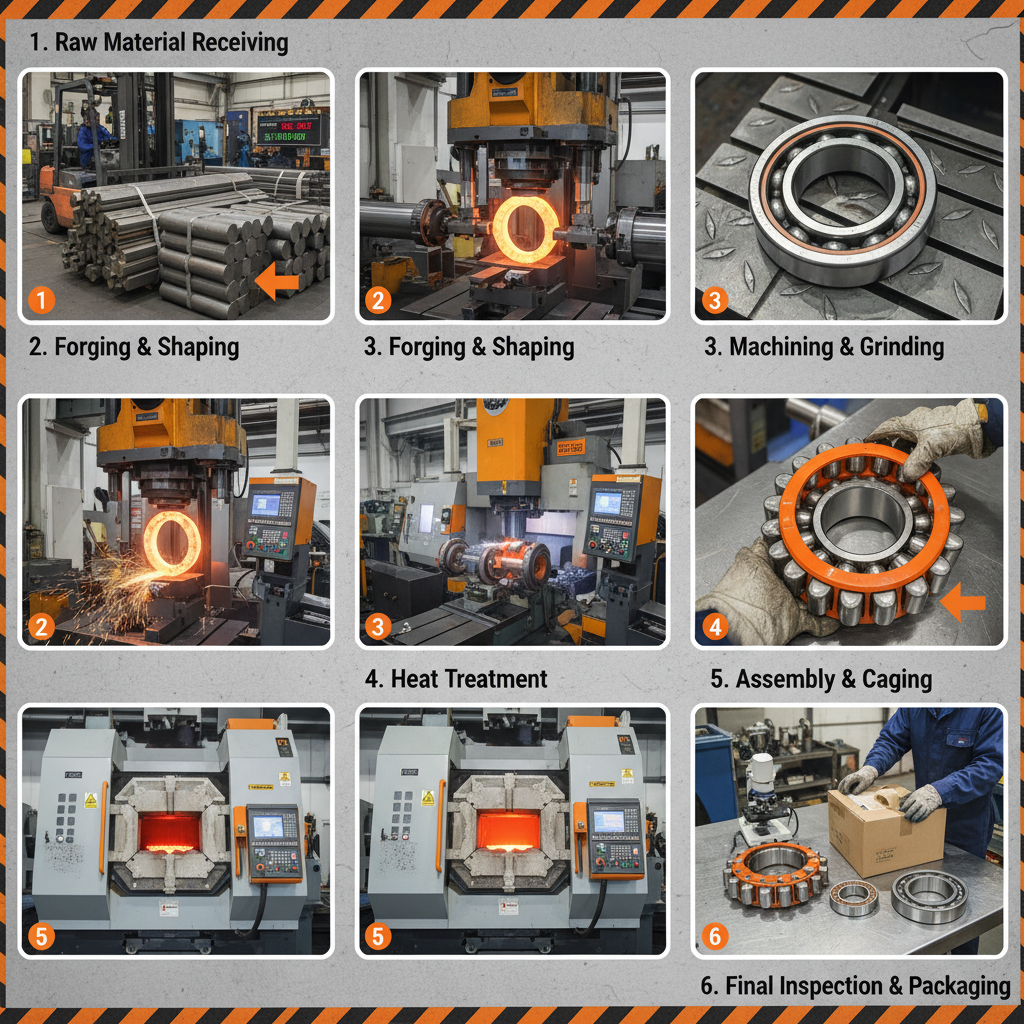
Beyond the base material, heat treatment processes significantly influence bearing performance. Hardening, tempering, and case hardening enhance surface hardness, wear resistance, and fatigue life. Surface coatings, like chrome plating or nitriding, further improve corrosion resistance and reduce friction. These treatments are crucial for optimizing bearing lifespan and reliability. BTZ Bearing employs advanced heat treatment and coating technologies to ensure superior bearing quality.
Conclusion: Selecting the Right Material for Your Application
Choosing the correct material for wholesale spherical roller bearings requires careful consideration of application-specific demands. Understanding the properties of various steel alloys, the benefits of heat treatment, and the impact of surface coatings is essential for optimizing performance and longevity. Partnering with a trusted bearing manufacturer like BTZ Bearing ensures access to high-quality materials and expert guidance.
Frequently Asked Questions (FAQs)
What is the role of chromium in bearing steel?
Chromium is a key alloying element in bearing steel (like SAE 52100). It significantly enhances hardenability, allowing the steel to achieve a higher hardness level during heat treatment. Chromium also improves corrosion resistance and high-temperature strength. The typical chromium content in bearing steel ranges from 1.5% to 2.5%, contributing to its exceptional performance characteristics. Without chromium, the steel would be less capable of withstanding the stresses and wear associated with bearing applications.
How does heat treatment affect the material properties of a bearing?
Heat treatment is a critical process that modifies the microstructure of the bearing material, dramatically affecting its properties. Hardening increases the steel's hardness and wear resistance, while tempering improves its toughness and reduces brittleness. Case hardening creates a hard, wear-resistant surface layer while maintaining a tough core. These processes are precisely controlled to achieve the optimal balance of properties for the specific bearing application. Proper heat treatment is essential for maximizing bearing lifespan and performance.
What are the benefits of using surface coatings on spherical roller bearings?
Surface coatings, such as chrome plating or nitriding, offer several benefits. They enhance corrosion resistance, protecting the bearing from rust and chemical attack. Coatings also reduce friction, leading to smoother operation and increased efficiency. Furthermore, they can improve wear resistance, extending bearing lifespan. The choice of coating depends on the specific operating environment and application requirements.
How do I determine the best material for my specific bearing application?
Determining the best material involves analyzing several factors, including load capacity, operating speed, temperature range, corrosive environment, and desired lifespan. Consider the specific demands of your application and consult with a bearing expert. Factors like the presence of contaminants, the need for lubrication, and any specific industry regulations should also be taken into account. BTZ Bearing can provide expert guidance to help you select the optimal material for your needs.
Latest news
-
Wholesale Deep Groove Ball Bearing Used For Industrial Machinery
NewsApr.16,2026
-
Guide to Technical Specifications and Wholesale Deep Groove Ball Bearing PDF
NewsApr.09,2026
-
Comprehensive Wholesale Spherical Roller Bearing Catalogue from BTZ Bearing
NewsApr.07,2026
-
Discover Competitive Wholesale Motor Bearing Price and Sourcing Solutions
NewsApr.04,2026
-
Comprehensive Guide to Wholesale High Angle Spherical Bearing Solutions
NewsMar.31,2026
-
Comprehensive Guide to Wholesale 90x160x40 Bearing Sourcing and Applications
NewsMar.28,2026
 Afrikaans
 Albanian
 Amharic
 Arabic
 Armenian
 Azerbaijani
 Basque
 Belarusian
 Bengali
 Bosnian
 Bulgarian
 Catalan
 Cebuano
 Corsican
 Croatian
 Czech
Czech
 Danish
 Dutch
Dutch
 Esperanto
 Estonian
 Finnish
 French
 Frisian
 Galician
 Georgian
 German
 Greek
Greek
 Gujarati
 Haitian Creole
 Hausa
Hausa
 Hawaiian
 Hebrew
 Hindi
Hindi
 Miao
Miao
 Hungarian
 Icelandic
 Igbo
Igbo
 Indonesian
 Irish
Irish
 Italian
 Japanese
 Javanese
 Kannada
 Kazakh
 Khmer
Khmer
 Rwandese
 Korean
 Kurdish
 Kyrgyz
 Lao
Lao
 Latin
Latin
 Latvian
 Lithuanian
 Luxembourgish
 Macedonian
 Malgashi
 Malay
Malay
 Malayalam
 Maltese
 Maori
Maori
 Marathi
 Mongolian
 Myanmar
 Nepali
 Norwegian
 Norwegian
 Occitan
 Pashto
 Persian
 Polish
 Portuguese
 Punjabi
 Romanian
 Russian
 Samoan
 Scottish Gaelic
 Serbian
 Sesotho
 Shona
Shona
 Sindhi
 Sinhala
 Slovak
 Slovenian
 Somali
 Spanish
 Sundanese
 Swahili
 Swedish
 Tagalog
 Tajik
Tajik
 Tamil
Tamil
 Tatar
Tatar
 Telugu
 Thai
Thai
 Turkish
 Turkmen
 Ukrainian
 Urdu
Urdu
 Uighur
 Uzbek
Uzbek
 Vietnamese
 Welsh
Welsh
 Bantu
Bantu
 Yiddish
 Yoruba
 Zulu
Zulu
 English