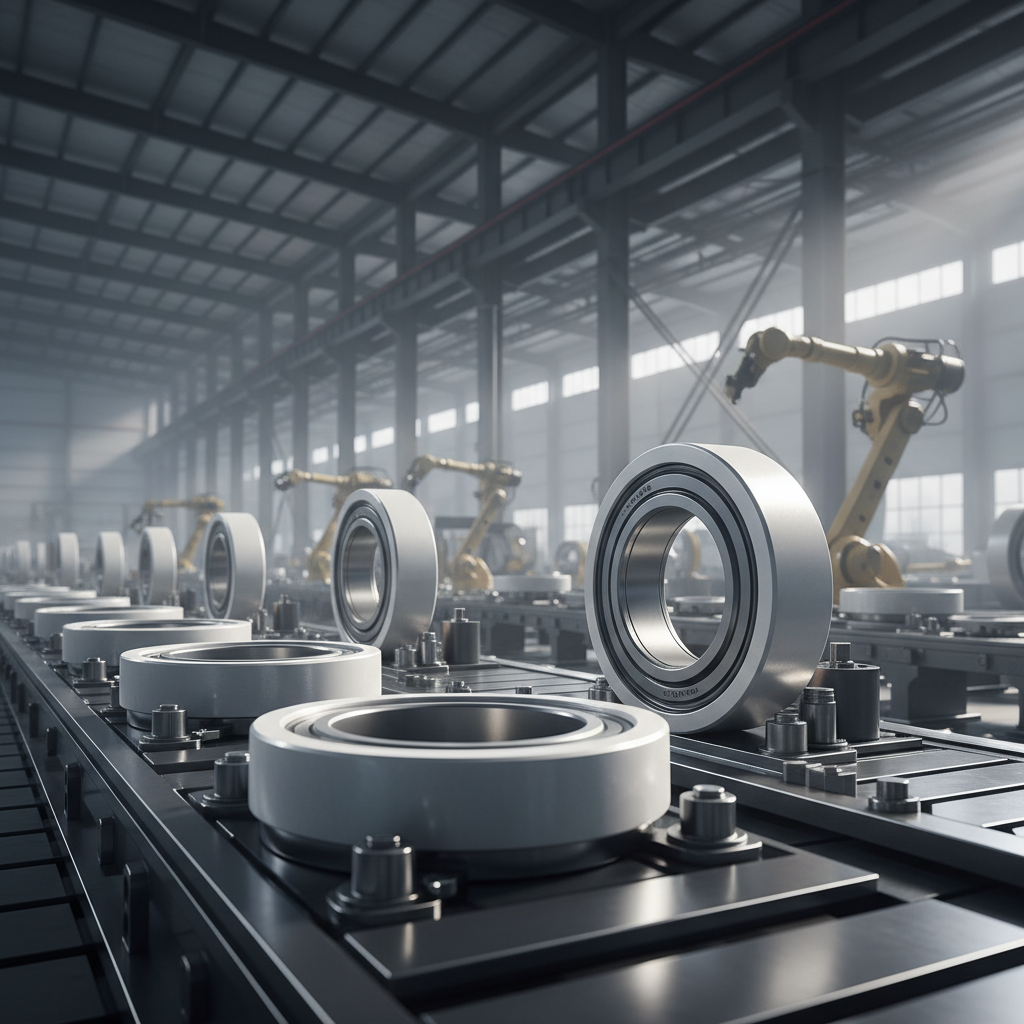
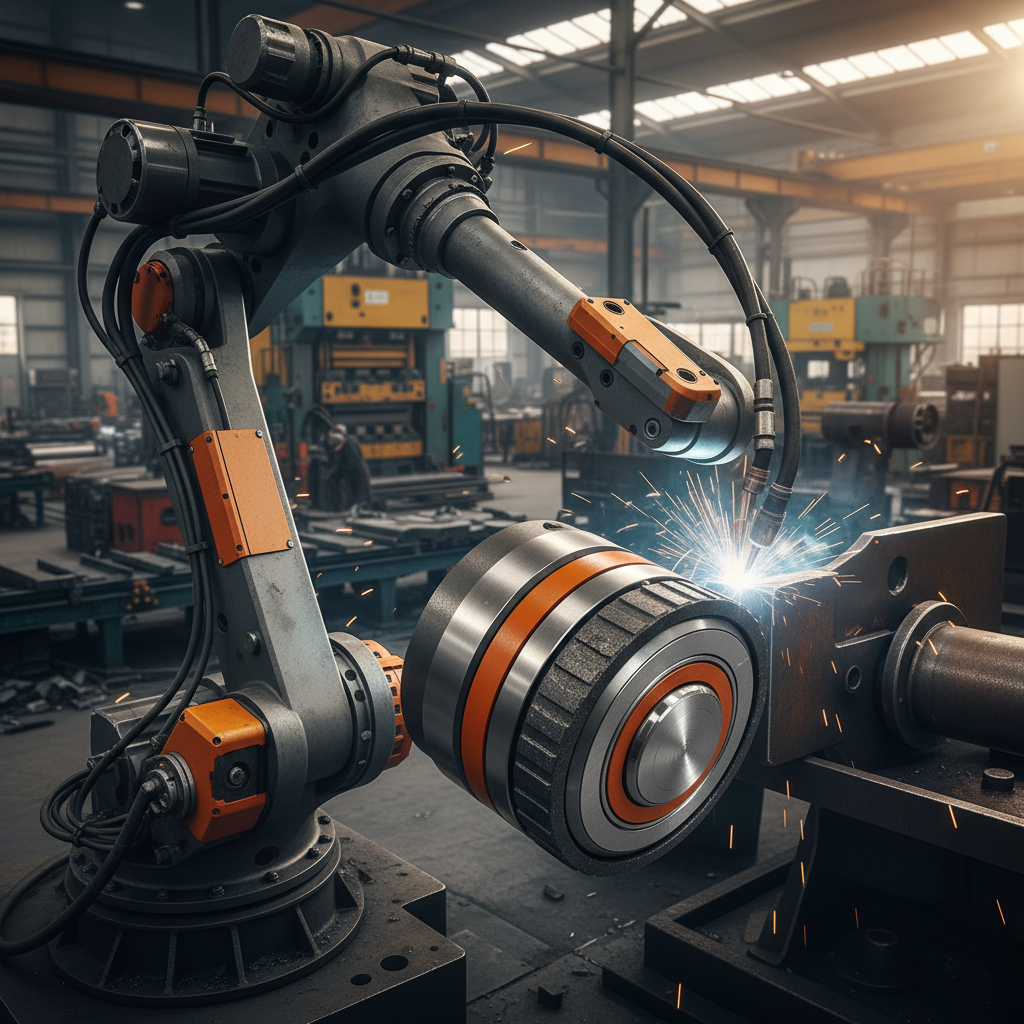
In the high-precision world of mechanical transmission, the role of a custom bearing factory extends far beyond simple part manufacturing. It represents the critical bridge between theoretical engineering designs and real-world operational efficiency, ensuring that machinery can handle specific torque and speed requirements without premature failure. For industries relying on complex overruning mechanisms, the ability to source tailored components is not just a luxury but a necessity for operational safety.
Globally, the demand for specialized components like the CKZ-D series sprag type freewheels highlights a shifting trend toward precision customization. As industrial automation increases, standard "off-the-shelf" bearings often fall short of the rigorous demands of high-speed backstop conditions. This is where the expertise of a dedicated custom bearing factory becomes indispensable, providing the technical agility to integrate oil reservoirs and specific race designs for optimized performance.
Understanding the intricacies of custom bearing procurement allows engineers to reduce downtime and extend the lifecycle of their equipment. By focusing on the synergy between nominal torque capacities and limiting speeds, businesses can achieve a level of mechanical synchronization that standard components cannot offer. This guide explores how specialized manufacturing processes translate into tangible industrial advantages.
The Industrial Significance of a Custom Bearing Factory
A custom bearing factory serves as the backbone for innovation in the general equipment manufacturing sector. Unlike mass-production facilities, a custom-oriented plant focuses on the specific interaction between the inner and outer races, ensuring that elements like the CKZ-D series can be delivered with pre-standardized lubrication to meet immediate installation needs.
The ability to customize means that engineers can specify nominal torque levels—ranging from 185 N·m for smaller units to 14,400 N·m for heavy-duty applications—without compromising on the precision of the fit. This flexibility is what allows complex machinery in the cement or agricultural sectors to operate reliably under extreme load variances.
Engineering the CKZ-D Series Sprag Freewheels
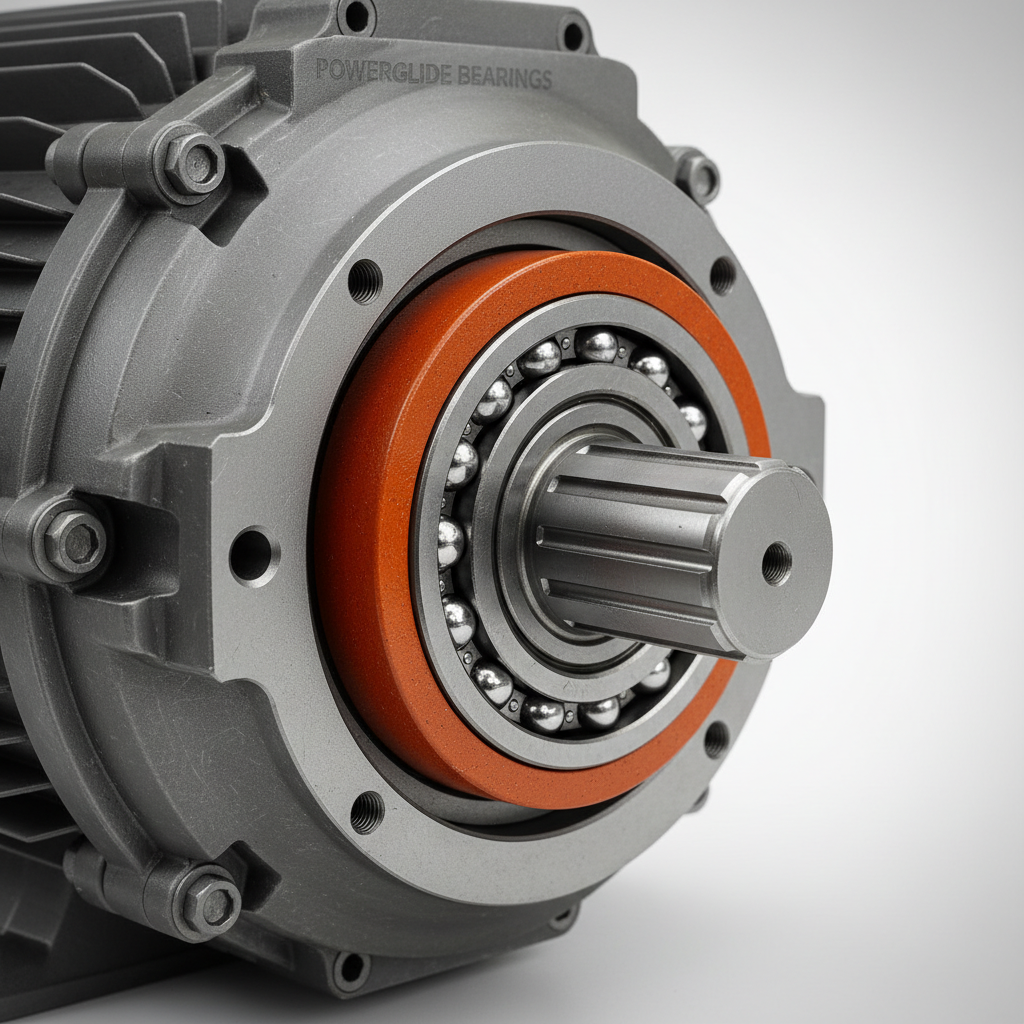
The CKZ-D series represents a sophisticated evolution in freewheel design, combining the robust CKZ-A series clutches with an integrated oil reservoir. This architectural choice is critical because it ensures that the inner race, which is specifically designed for overruning, remains consistently lubricated. In a professional custom bearing factory, this integration is handled with strict adherence to tolerances to prevent leakage while maintaining low friction.
These units are primarily engineered for backstop conditions, where the mechanism must prevent reverse rotation while allowing smooth forward movement. The inclusion of the oil reservoir simplifies the maintenance cycle for the end-user, as the units are delivered pre-lubricated. This design philosophy reduces the risk of installation errors and ensures that the sprag elements engage and disengage with millisecond precision.
From a technical standpoint, the CKZ-D series is tailored for high-speed overruning applications. Whether it is a CKZ-D1977 operating at 1960 r/min or a larger CKZ-D135300 at 840 r/min, the balance between the nominal torque and the limiting speed is carefully calibrated. This calibration is the hallmark of a factory that understands the physics of centrifugal force and lubricant viscosity at high speeds.
Core Technical Parameters for Performance Optimization
When collaborating with a custom bearing factory, the primary focus is often on the "Nominal Torque." This value determines the maximum load the sprag clutch can hold before slipping. For instance, moving from a CKZ-D2288 (317 N·m) to a CKZ-D70180 (3460 N·m) involves not just a change in size, but a fundamental shift in material density and sprag geometry to handle the increased stress.
Equally important is the "Overrunning Limiting Speed." This parameter defines the safety ceiling for the inner race's rotation. A custom bearing factory optimizes this by refining the surface finish of the races and optimizing the oil flow within the reservoir, allowing a CKZ-D1977 to reach speeds of 1960 r/min without overheating.
Finally, the dimensional precision (d, D, A, B, C) ensures a perfect fit within the host machinery. The use of H7 and h7 tolerances indicates a high-precision mating fit, which is essential for maintaining the axial alignment of the sprag elements. This level of detail prevents uneven wear and extends the operational life of the entire drivetrain.
Comparing Customization Methods in Bearing Production
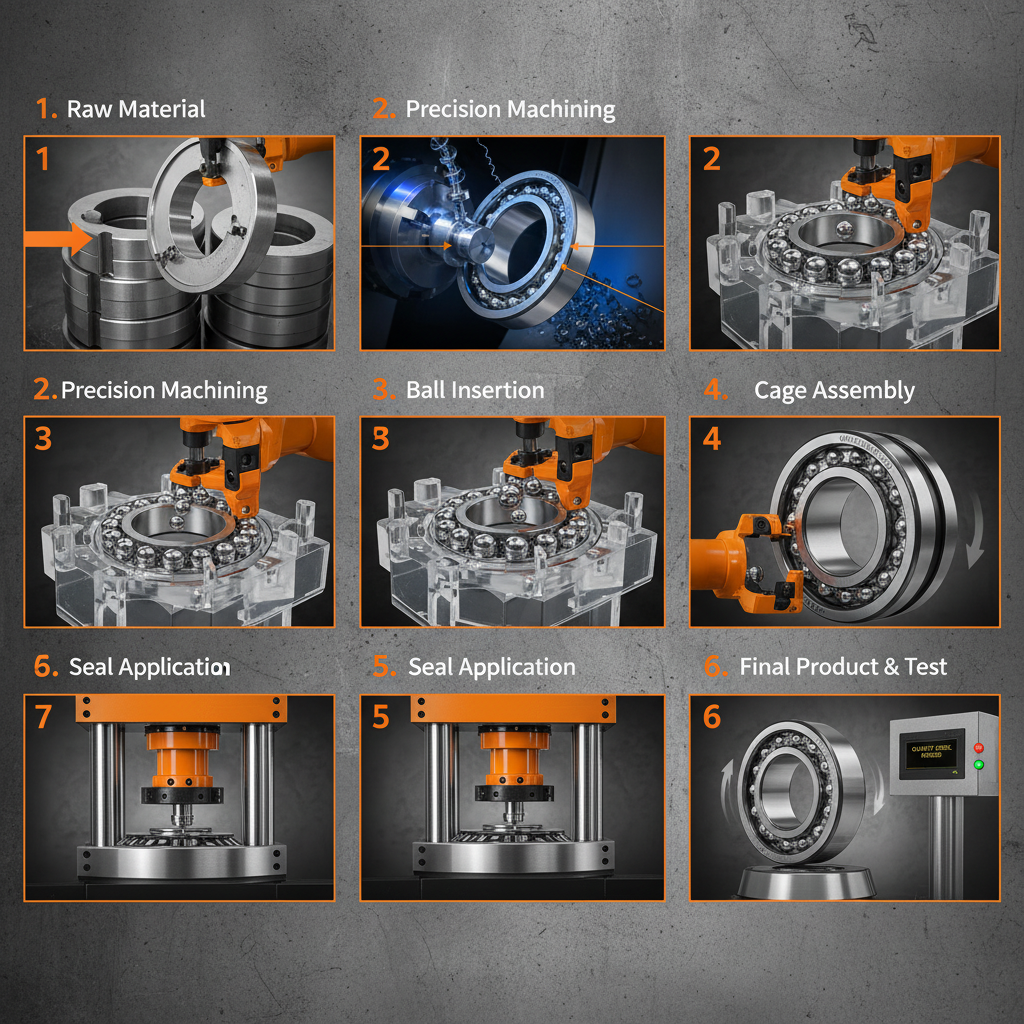
Modern bearing production has evolved into several distinct methodologies. While standard production focuses on volume, a custom bearing factory employs a "specification-first" approach. This allows for the modification of the oil reservoir size or the adjustment of the mounting hole configurations (e.g., 4-M6 vs 10-M16) to fit existing chassis without requiring expensive modifications to the machine.
By comparing traditional manufacturing with customized sprag clutch production, we see a clear advantage in reliability. Customization allows for the selection of materials that are specifically resistant to the corrosive environments found in cement mixers or the heavy-load pulses found in agricultural machinery.
Efficiency Ratings of Custom Bearing Factory Methods
Global Applications of High-Speed Overrunning Units
The practical application of CKZ-D series clutches is widespread across diverse industrial landscapes. In heavy-duty mining equipment and cement mixers, these units act as vital safety backstops, preventing catastrophic reverse rotation when power is lost. A custom bearing factory ensures that these components can withstand the abrasive dust and high-torque pulses inherent in such environments.
Furthermore, in the agricultural sector, these freewheels are integrated into harvesting machinery to manage varying load speeds. The ability to maintain a high overrunning speed—such as the 1960 r/min seen in the smaller CKZ-D models—allows machinery to respond dynamically to crop density changes, enhancing overall productivity and reducing mechanical stress on the engine.
Long-term Value of Tailored Bearing Solutions
Investing in components from a custom bearing factory provides a significant return on investment through extended service intervals. By using units that are precisely matched to the nominal torque of the system, companies avoid the "over-engineering" trap where oversized bearings create unnecessary friction and heat, or the "under-engineering" trap where parts fail prematurely.
Beyond the mechanical benefits, there is a profound impact on operational safety. In backstop applications, the reliability of the sprag mechanism is a matter of worker safety. A customized solution ensures that the engagement is instantaneous and absolute, providing peace of mind to operators in high-risk industrial zones.
Sustainability is also a key driver. Tailored bearings reduce the frequency of replacements and minimize the waste of lubricant. When a unit like the CKZ-D110250 is designed to last for years under a 10,300 N·m load, the environmental footprint of the machinery is reduced, aligning industrial growth with modern ecological standards.
Technical Specifications and Model Analysis
To fully appreciate the capabilities of a custom bearing factory, one must examine the scaling of the CKZ-D series. As the bore diameter (d) increases from 19mm to 135mm, the nominal torque increases exponentially, reaching 14,400 N·m. This scalability allows a single product family to serve everything from small conveyor systems to massive industrial turbines.
The relationship between weight and capacity is another critical observation. A CKZ-D1977 weighs only 2kg, while the CKZ-D135300 reaches 77.6kg. This weight increase is a direct result of the increased steel volume required to maintain the H7/h7 tolerances under massive loads, ensuring that the inner race remains perfectly concentric during high-speed rotation.
Finally, the mounting interface evolves to accommodate the torque. Smaller models use 4-M6 bolts, but as we reach the CKZ-D135300, 10-M16 bolts are required. This systematic increase in fastening strength ensures that the clutch remains securely anchored, preventing any axial shifting that could jeopardize the overrunning function.
CKZ-D Series Technical Specification Comparison
| Model Designation |
Nominal Torque (N·m) |
Limiting Speed (r/min) |
Weight (kg) |
| CKZ-D1977 |
185 |
1960 |
2 |
| CKZ-D32108 |
953 |
1680 |
5.5 |
| CKZ-D50136 |
1847 |
1470 |
9.5 |
| CKZ-D85200 |
5590 |
980 |
40.3 |
| CKZ-D110250 |
10300 |
910 |
50.6 |
| CKZ-D135300 |
14400 |
840 |
77.6 |
FAQS
The main advantage lies in the integrated oil reservoir, which ensures that the inner race—designed for overruning—remains constantly lubricated. This reduces friction and wear, allowing for higher limiting speeds and more reliable backstop performance compared to clutches that require external lubrication systems.
You should calculate the maximum possible reverse torque your system might encounter. For example, if your load requires 5,000 N·m of holding force, the CKZ-D85200 (5590 N·m) would be the appropriate choice to ensure a safety margin. A custom bearing factory can help you validate these calculations based on your specific machine load.
Yes, they are specifically designed for high-speed overruning. Depending on the model, speeds can range from 840 r/min for the largest units to 1960 r/min for the smallest (CKZ-D1977). The integrated lubrication system is key to maintaining stability at these velocities.
Absolutely. One of the primary benefits of a custom factory is the ability to adjust the number and size of mounting holes (such as changing 6-M8 to 8-M14) or modifying the outer dimensions to ensure the unit fits perfectly into your existing equipment housing.
Since these units are delivered standard lubricated with oil, initial maintenance is minimal. However, periodic checks of the oil level in the reservoir and monitoring for any abnormal noise or vibration during overruning are recommended to ensure long-term reliability.
Overrunning allows a component to rotate faster than the driver (like a bicycle wheel when you stop pedaling). A backstop condition is a safety feature where the bearing prevents any rotation in the reverse direction, protecting the machinery from falling or reversing under load.
Conclusion
The synergy between precision engineering and tailored manufacturing is best exemplified by the CKZ-D series sprag type freewheels. From the small-scale CKZ-D1977 to the industrial-grade CKZ-D135300, the ability of a custom bearing factory to balance nominal torque, limiting speeds, and precise H7/h7 tolerances ensures that industrial machinery operates with maximum efficiency and safety.
Looking forward, the integration of smarter lubrication systems and advanced materials will continue to push the boundaries of what these components can achieve. For companies seeking to optimize their drivetrains and reduce unplanned downtime, partnering with a specialized manufacturer is the most effective path toward sustainable industrial growth. Visit our website: www.btzbearing.com